Estonia's crisis preparedness improves, but shelter shortage remains critical
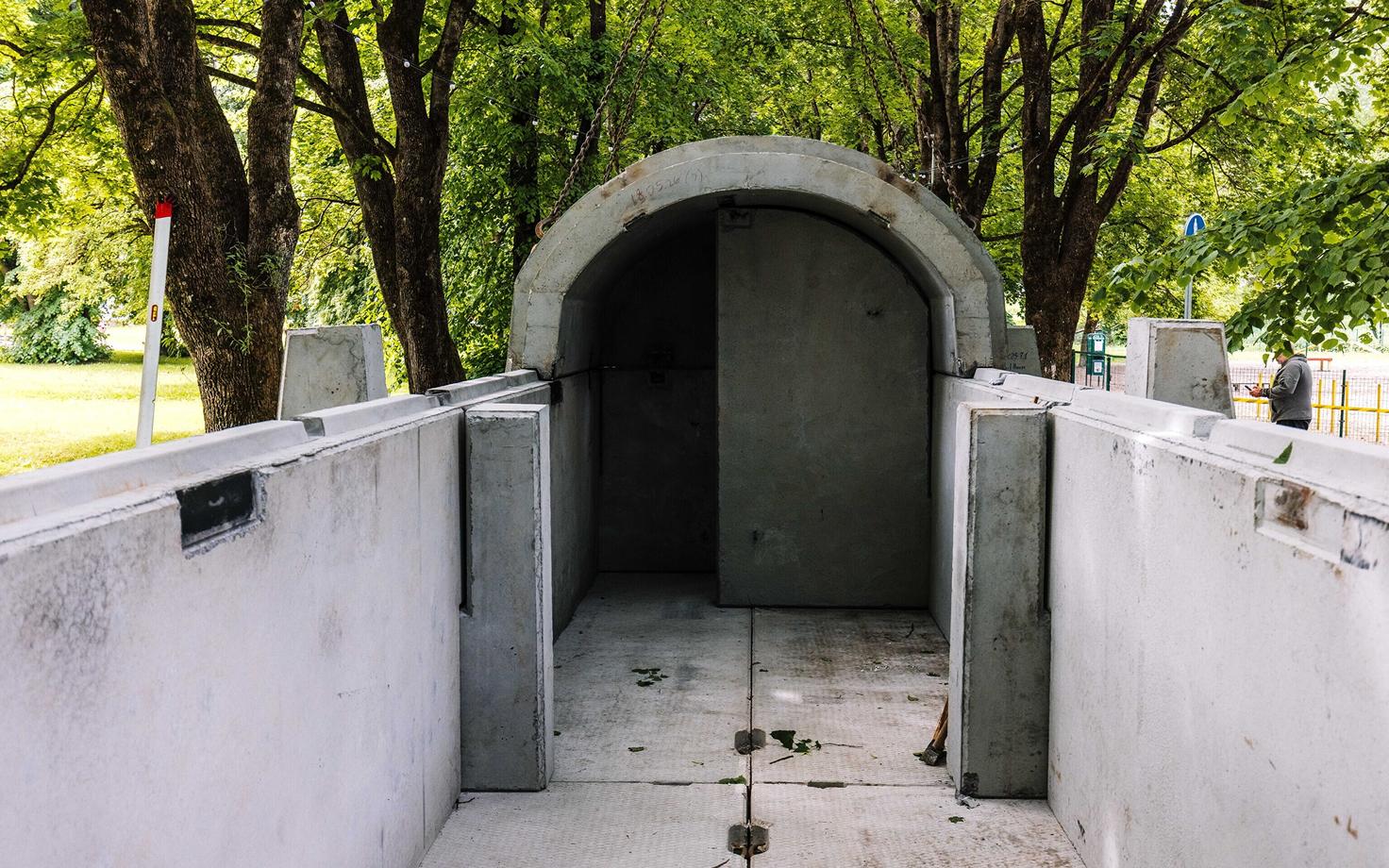
Estonia's preparedness for major crises is steadily improving, but much remains to be done, according to both the interior minister and the Rescue Board. The biggest challenge is the shortage of shelters in Estonia.
At New Year's, a large part of Tallinn was left without water for several hours. Since spring, drones that strayed from Russian airspace have entered Estonia. These are just a few examples of the kinds of crises Estonia is currently preparing for.
According to Interior Minister Igor Taro (Eesti 200), the situation is most critical when it comes to shelters. There are currently just over 300, a small fraction of what Estonia needs.
"We have picked the low-hanging fruit, meaning we have identified and marked the existing shelters so people know they are there, but now comes the next challenge. We actually need to adapt spaces in buildings that already exist for use as shelters," Taro said.
However, converting the basements of apartment buildings into shelters has not proved particularly popular. Various grants are available, but they are not being used. Tallinn, for example, has €1.5 million in its budget this year for apartment associations.
"We still have money available. Apartment associations could take this issue a little more seriously. We are currently offering to cover 70 percent of their costs for adapting basements and carrying out electrical, plumbing and ventilation work, provided the total is around €10,000," Tallinn Deputy Mayor Tiit Terik (Center Party) said.
More public shelters are also being added. In Tallinn, most are located in the city center, but options become increasingly limited farther toward the outskirts.
"In the future, we also want to establish mobile shelters in places like these. We plan to bring them into Tallinn's urban space next year," Terik said.
Starting this year, all new large buildings, including apartment buildings, must be built with a proper shelter.
The Rescue Board, however, is concerned about how well schools and kindergartens are prepared for crises.
"The situation in schools and kindergartens today is still very worrying. We have not done much preparation there and we need to address this so that children are always protected while they are at school or kindergarten. Frankly, there are no major plans at the moment. It will probably only be in a couple of years, using European Union funding, that we will actually be able to start adapting these spaces," Rescue Board Director General Margo Klaos said.
--
Editor: Marcus Turovski, Marko Tooming


