Interior ministry plans crisis reserves of nearly 5,000 volunteers
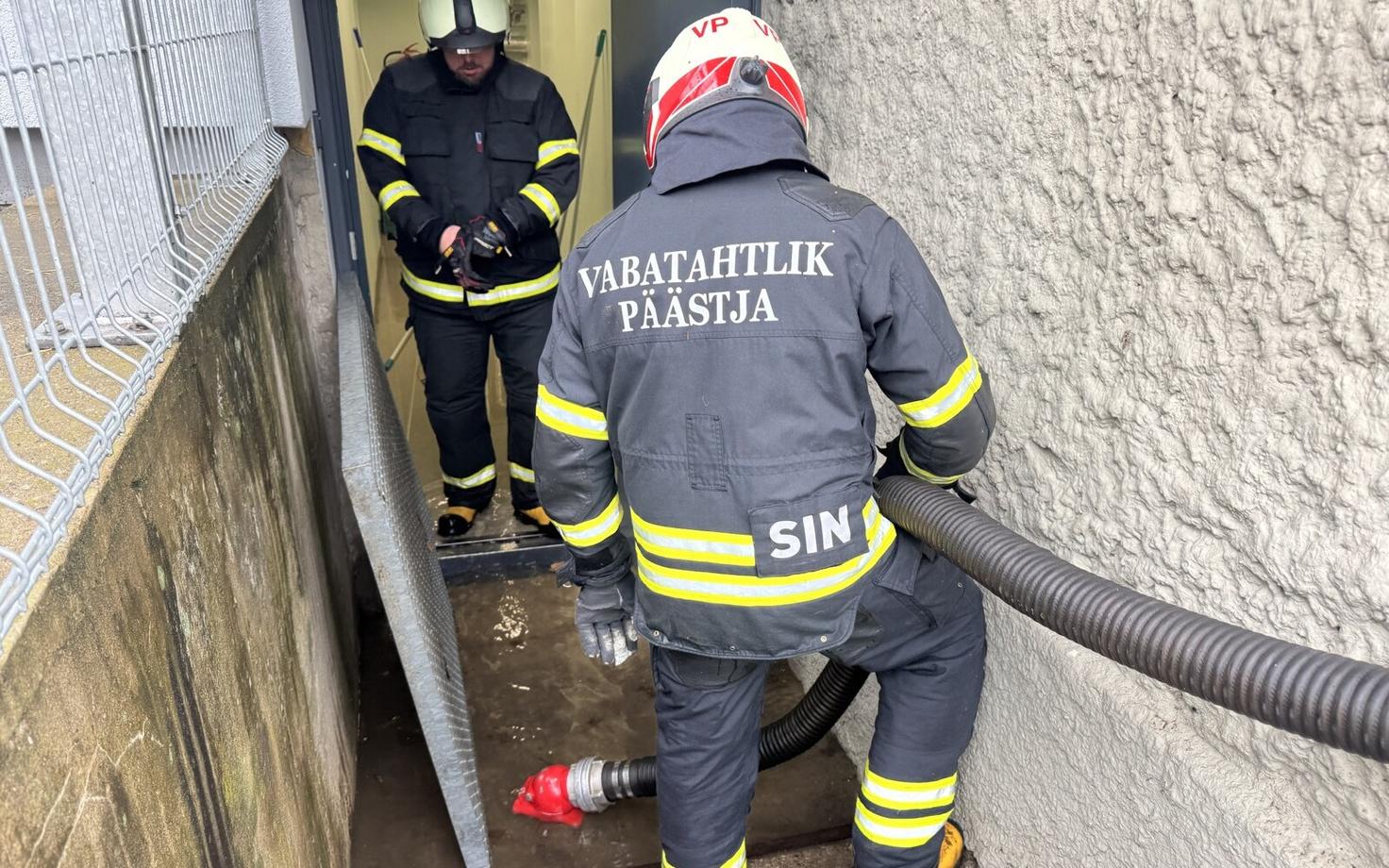
The Interior Ministry is planning crisis reserves of nearly 5,000 volunteers, including rescuers, coast guard personnel, bomb disposal specialists and volunteer police.
Under the ministry's plan, these personnel would be granted the right under law to take time off work if called up.
Any state can face major crises in which the existing number of rescue workers, maritime rescuers, police officers or bomb disposal specialists is not sufficient — not only conflict or terrorism, but natural disasters such as major forest fires or floods are real threats.
To be better prepared for such events, the Interior Ministry wants to amend the law to allow new crisis reserves to be formed.
Interior Ministry adviser Kristen Kanarik said current law allows for crisis roles to be assigned to volunteer police officers and volunteer bomb disposal specialists. The ministry now wants to amend the law so that crisis roles can also be assigned to volunteers at the Emergency Response Center, volunteer rescuers and volunteer maritime rescuers.
"What this crisis role means is that a person voluntarily agrees to join our reserve with a crisis role. If the government decides that they are needed to help resolve a crisis, they will be called in on the basis of a government decision. The law will give them the right to take time off work and come and help us deal with the crisis," Kanarik explained.
Kanarik said that, according to the Interior Ministry's vision, at least 5,000 volunteers with crisis roles are required to carry out crisis-related tasks effectively.
Rescue Board (Päästeamet) Director General Margo Klaos said his organization is looking to recruit around 500 additional people for the new volunteer rescue reserve. Initially, they will look for people who have already received the relevant training, Klaos said, mostly meaning former personnel.
"We will certainly be looking for people who have left the Rescue Board due to low pay, unsuitable working arrangements, a change of residence or some other reason, but who are prepared to join us again during a crisis and perform this role," he said.
For the most part, however, the Rescue Board is counting on ordinary members of the public. Klaos said they are looking for people who feel they want to contribute more and be there for others during a crisis.
"We will also provide them with volunteer rescue training and prepare them for the crisis reserve. The prerequisite is that the person says they want to be with the Rescue Board during a major crisis and help other people," the director general said.
As with reservists in the Estonian Defense Forces (EDF), crisis reservists in the rescue services will also undertake reserve training sessions and exercises. Under the plans, they will also receive social security guarantees.
"If a person agrees to take on a crisis role and we have specific training related to that crisis role planned, then the person can take time off work for that period. Their job must be kept open for them, and they must be able to return to it afterwards," Kanarik explained.
--
Follow ERR News on Facebook and Twitter and never miss an update!
Editor: Andrew Whyte, Urmet Kook