Estonia and the U.S. seek rare‑earth agreement
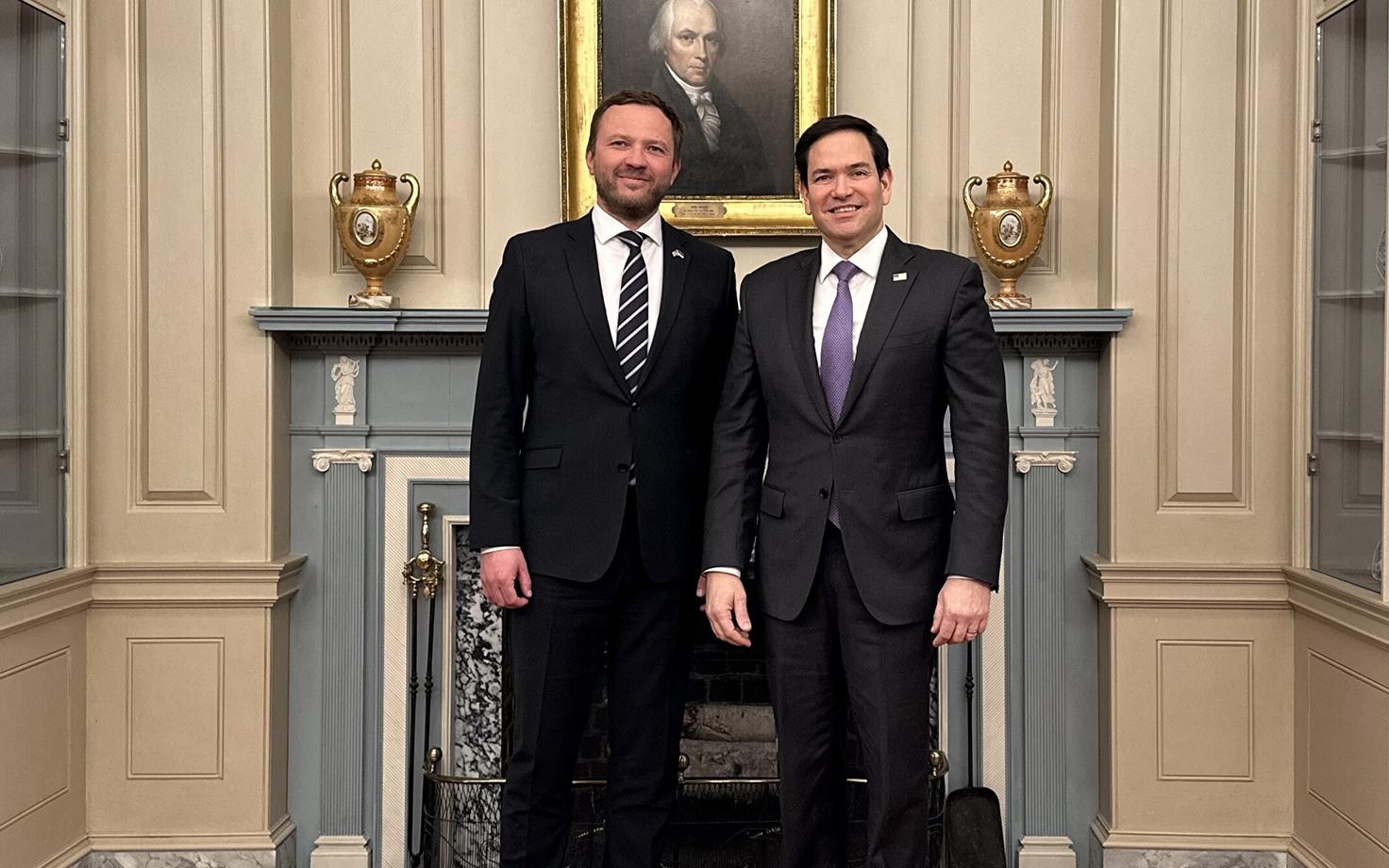
Estonia and the United States are working toward an agreement on rare earth elements to strengthen supply security. The talks are not about Estonia's mineral deposits; the goal is to develop local industry and attract new investment, says Foreign Minister Margus Tsahkna. On Thursday, Lithuania signed a similar agreement with the U.S.
The global rare‑earth market is largely controlled by China, which in recent years has significantly restricted exports. As a result, the U.S. is trying to diversify supply and secure its supply chains by striking agreements with other partners. Estonia, for its part, has one of Europe's largest rare‑earth production and processing capacities. Both sides are interested in closer cooperation, but negotiations are still in the early stages.
"Our interest is to establish in Estonia at least Europe's largest knowledge and development center. And likewise to bring broader‑scale investments to Estonia and strengthen Estonia's role in the rare‑earth network — and certainly also for security‑policy reasons. We are not negotiating over Estonia's mineral resources," Foreign Minister Margus Tsahkna said.
Countries already involved in the U.S. initiative include Poland, the United Kingdom and Japan. On Thursday, Lithuania's foreign minister, who visited Washington, signed a cooperation agreement.
"This is currently our second foreign‑policy priority — the first is security. We must face these economic challenges, build a strategic partnership with the world's leading power, the United States, and create a resilient and strong supply chain," said Lithuanian Foreign Minister Kęstutis Budrys.
"Supply and processing security for rare earth elements is a foundation of the 21st‑century economy. This has been discussed before. It is essential for our economy and for defense. Lithuania, for example, has a global leadership role in photonics," said U.S. Secretary of State Marco Rubio.
The agreement was discussed extensively with Lithuanian companies, who believe it could lead to several major projects. Over the next six months, Lithuania and the U.S. will decide which initiatives are worth pursuing. Funding is expected to come from both government and private sources.
--
Editor: Johanna Alvin, Argo Ideon


