Tallinn Zoo's binturongs attempted multiple escapes
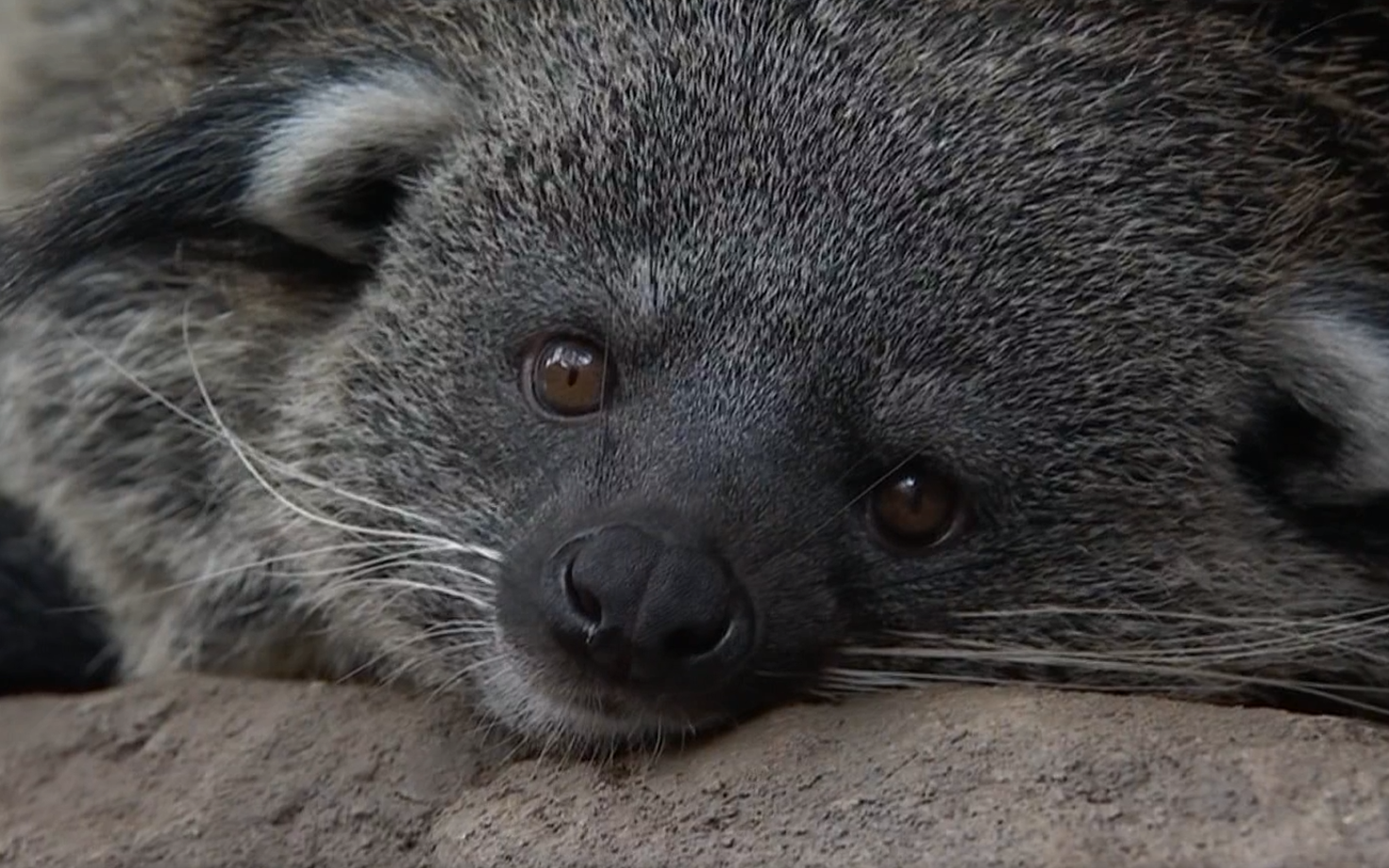
Young binturongs at Tallinn Zoo staged several successful escape attempts from their enclosure, forcing the Tropical House to close to visitors. The pair, Maru and Maimu, have now been moved to a new location where slipping away won't be nearly as easy.
Over the span of a couple of weeks, Maru and Maimu managed to break out of their enclosure four times.
Their first escape came at the end of August, when an Ironman event was taking place in Tallinn's Rocca al Mare district and a large stage had been set up near the zoo.
"It was a very noisy weekend, and quite a few animals were disturbed by it. I don't know whether it was because conditions were somehow unfavorable — the stage was pointed toward us, the wind carried the sound our way," said Tiiu Ramst, senior wildlife keeper at Tallinn Zoo.
"In any case, it was an unfortunate coincidence that the noise was much louder than expected. And so, for the first time, they decided to escape at night, which is when they're most active. The event also ran late into the night. Most likely they went looking for a quieter place."
The first time, the animals were quickly retrieved. The next attempts were far more troublesome.
"The worst was the second escape. One of them — Maru — decided to climb onto the end of a ventilation pipe high up near the ceiling. And it's above an enclosure with a roof slanted at 45 degrees, where no one was willing to climb," Ramst said.
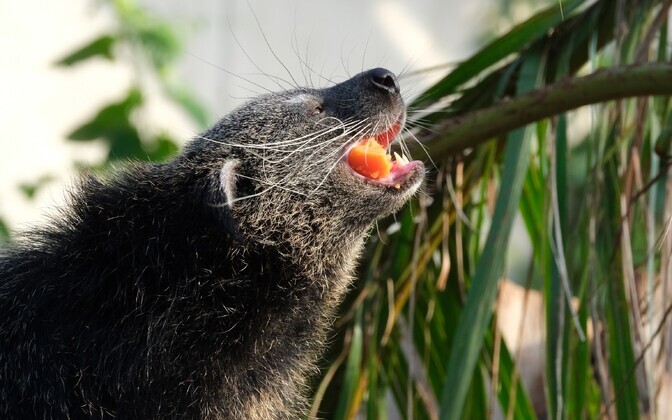
With no other options, the Tropical House was closed and staff waited for the animal to change its mind. On the third day, hunger finally coaxed the bearcat down. To curb the siblings' escape drive, an extra barrier was added to the enclosure and the electric fence was given more charge. But even that didn't help.
"Possibly because of stress, they were very determined to escape and took the risk — jumping onto the rock ledge so that their bellies touched the electric fence. They have very thick fur, and it seems the fence didn't affect them through it," Ramst explained.
After the fourth successful escape, the decision was made to move the siblings into an empty adjacent enclosure covered with mesh. The animals have tried to break out from there as well, but so far without success. Accustomed to sleeping cuddled up with their parents, the youngsters are deeply offended by the change.
"They're very sad. At first they sat inside for several days and didn't want to come into the enclosure at all. And when they finally did, they only climbed along the edge of the rock, tried to push themselves through the mesh, and got stuck between the rock and the net," Ramst said.
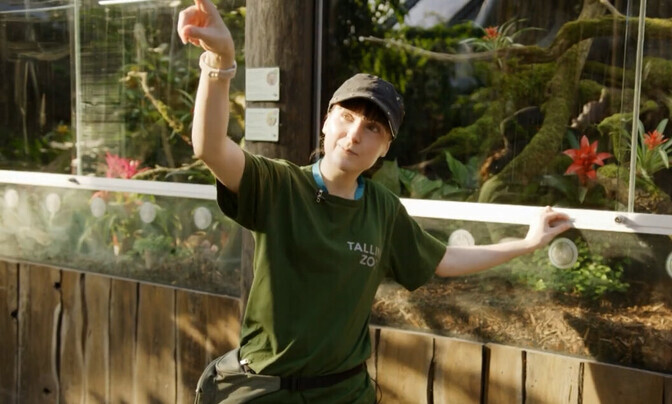
According to the keeper, the teenage binturongs are now beginning to accept their new home — and since they are about to reach adulthood, they would have had to move out from their parents sooner or later anyway.
The binturong (Arctictis binturong), also known as the bearcat, is a medium-sized, tree-dwelling mammal native to the tropical rainforests of South and Southeast Asia.
--
Editor: Aleksander Krjukov, Argo Ideon


