Finance ministry sees no way to lower diesel excise duty despite soaring prices
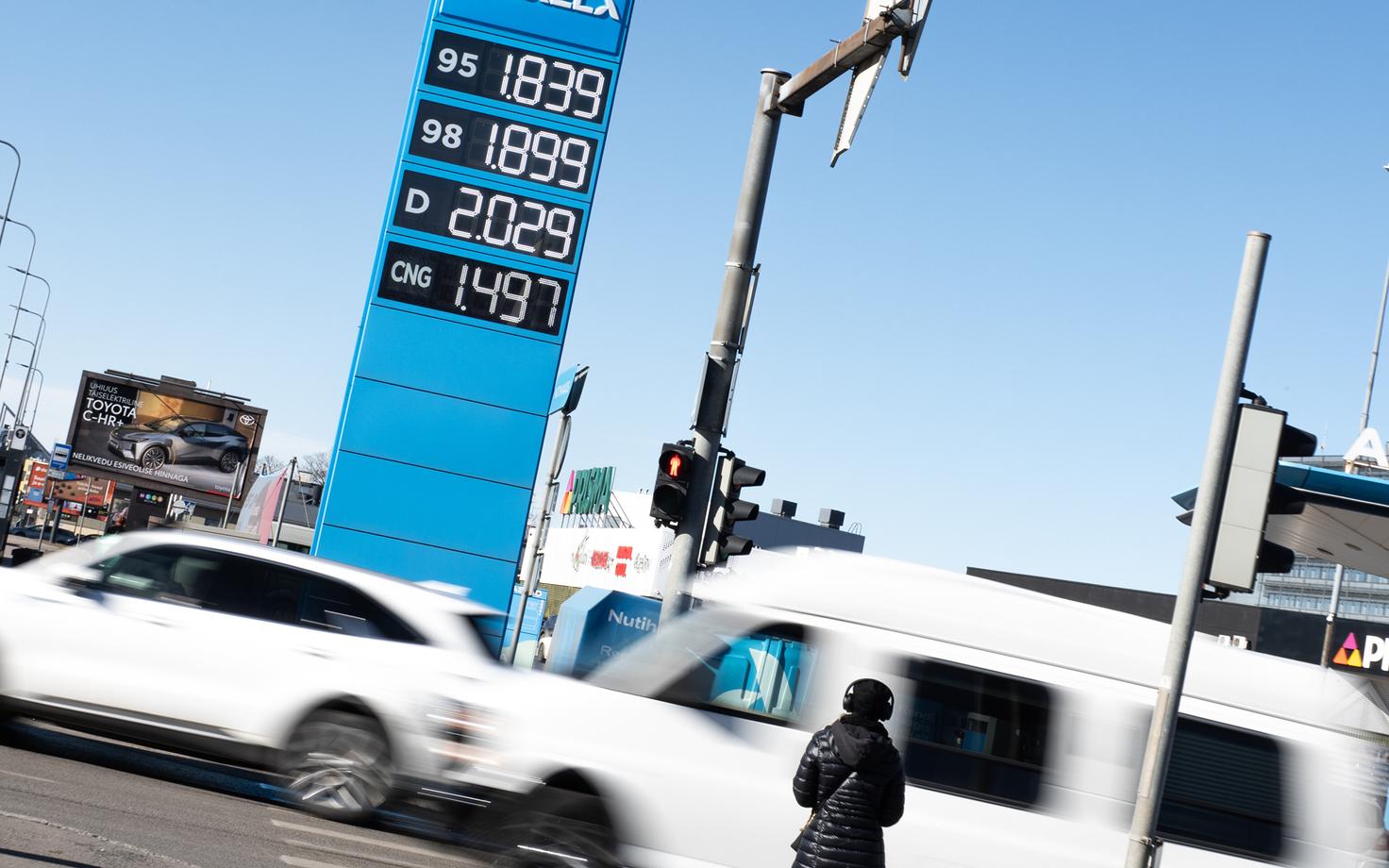
Diesel prices have risen 36 cents per liter in two weeks. Fuel retailers and hauliers are calling for a cut in excise duty, but the Ministry of Finance says the tight state budget rules this out.
Tiit Parik, head of Haanpaa, which is owned by French logistics group Samat, said rising diesel prices have made freight transport more expensive.
"For our company, fuel accounts for a third of all costs and when fuel prices change by as much as they have risen over the past six months, it is clear that no fuel company or transport company can absorb those costs. They have to be passed on to the end consumer through a fuel surcharge," Parik said.
Global fuel demand exceeded supply by 2.8 million barrels per day in August, while inventories remain low. In just two weeks, diesel prices on the global market have risen by 36 cents per liter due to the Strait of Hormuz crisis and the war in Ukraine.
Competition in Estonia is so strong that fuel stations have been unable to raise prices by the same amount.
"Excise duty rates are higher in Estonia than in Latvia and Lithuania, but prices are lower. That speaks for itself — prices should be much higher," said Alan Vaht, a member of Terminal's management board.
Vaht said excise duty should be cut to prevent higher diesel prices from feeding through to consumer prices.
"It should be cut to the minimum level, which would reduce the pump price by around 12.2 cents including VAT. The question is not whether cutting diesel excise duty would create additional demand in an already difficult fuel market. The question is whether the Estonian state wants to protect the competitiveness of Estonian companies," Vaht said.
Parik said that while Estonia suspended this year's planned excise duty increase in the spring, Sweden cut its rate.
"Our trucks operating in Sweden refuel there, so the excise duty and VAT go to Sweden and those liters do not generate revenue for the Estonian state budget," Parik said.
The government, however, says it cannot cut fuel excise duty.
"Over three months, that would amount to more than €50 million if we factor in gasoline. Our budget — and I think everyone is aware of the situation — simply does not allow for tax breaks like that at the moment," said Evelyn Liivamägi, deputy secretary general at the Ministry of Finance.
Higher fuel prices have also not resulted in additional VAT revenue.
"If you compare the first half of 2025 with the first half of 2026, in both cases around €60 million in VAT was collected from fuel. Ultimately, households have a limited number of euros to spend. If they spend more on fuel, they spend less somewhere else," Liivamägi said.
Situation difficult for farmers
Diesel is also a major input cost in agriculture, with high prices particularly noticeable during spring and fall fieldwork.
Although agricultural businesses registered with Estonia's Agricultural Registers and Information Board (PRIA) can use specially marked blue diesel, which is 50 cents per liter cheaper due to lower excise duty, steadily rising prices over the past year have left farmers concerned about the future.
The Sargvere agricultural cooperative uses diesel to cultivate land and produce feed for its 400 dairy cows.
"The average price delivered to us has been around 60 cents per liter. The latest order will probably be around €1.30. So the price has more than doubled," said Toomas Uusmaa, a member of the cooperative's management board.
"We still try to get everything done and keep land cultivation to a minimum. But grain drying and producing feed have to be done and there's no way around it. You just keep going as long as you can and as long as you can afford it," he added.
--
Editor: Marcus Turovski