Estonia law change will allow domestic cellphone roaming during crises
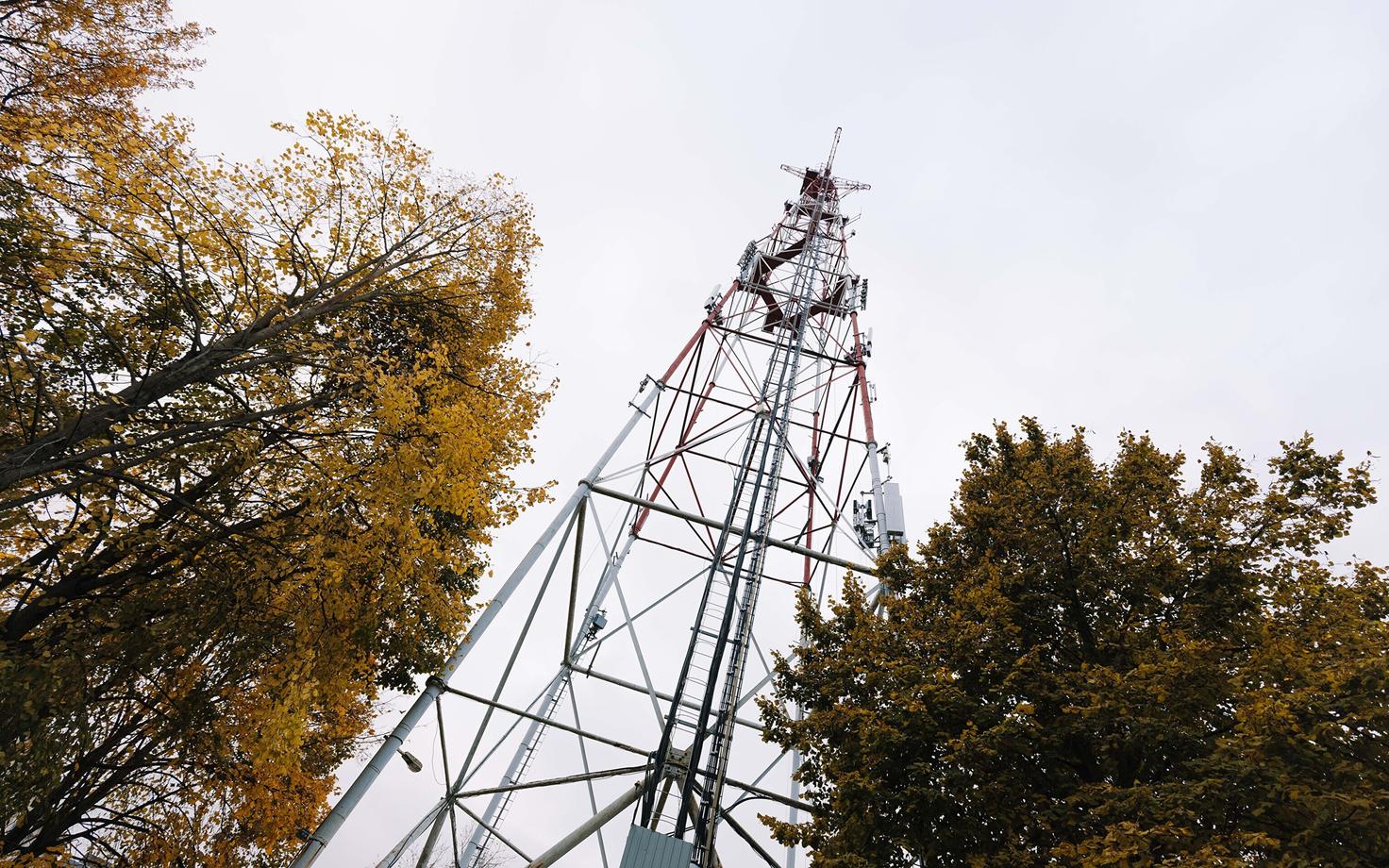
From Thursday, mobile customers in Estonia will be able switch to a rival operator's network if their own is damaged during a crisis situation.
This follows the adoption in summer of wide-ranging legislation on crisis situations, including the introduction of domestic roaming between the three major suppliers, Elisa, Tele2 and Telia, where needed.
Domestic roaming will apply nationwide and is reserved for the most severe emergencies such as those affecting national security, and not during, for instance, electricity outages that often follow autumn storms, officials said.
From October 1, if a customer's own operator's network has been damaged, they can switch to another operator's network whose mast is still standing.
"This will work across the entire territory of Estonia. Since we are so small, it does not make sense to do this on a county-by-county basis. People's phones will select whichever operator is working in that location if their home network is not working," Ministry of Justice and Digital Affairs spokesperson Mart Laas said.
"It seems disproportionate to activate such a large mechanism because of storms. The aim is for situations where there is a war or a very serious state of emergency in which a telecommunications company's network has suffered significant damage, is out of service and will clearly take a long time to restore," Laas went on.
Tele2, for example, has around 1,500 telecommunications antennae across Estonia. Some are mounted on tall telecommunications masts, while others have been installed on the roofs of buildings.
Tele2 technology director Tanel Sarri said there are several scenarios and crises which the company has had to prepare for.
"We need to have redundant external connections, batteries must be ready, generators — these are things we have worked on over the years," he said.
According to Sarri, Tele2 is already crisis-resilient; power outages even in a storm are now accounted for.
"The most important nodes are backed up by generators, while smaller sites have battery backup in order to ensure nationwide coverage, primarily outdoors," Sarri added.
The Crisis Situation and National Defense Act, adopted by the Riigikogu in the summer and entering into force on October 1, combines three existing laws on national defense and crisis management into a single framework. It assigns specific crisis tasks to local governments and introduces a nationwide crisis plan, along with changes to how the Estonian Defense Forces commander is appointed. Among its provisions is the introduction of domestic roaming, allowing mobile customers to switch to a rival operator's network if their own is damaged in a crisis.
--
Follow ERR News on Facebook and Twitter and never miss an update!
Editor: Andrew Whyte, Mirjam Mäekivi



