Marica Lillemets: It's time to create a cross‑sector life‑course policy
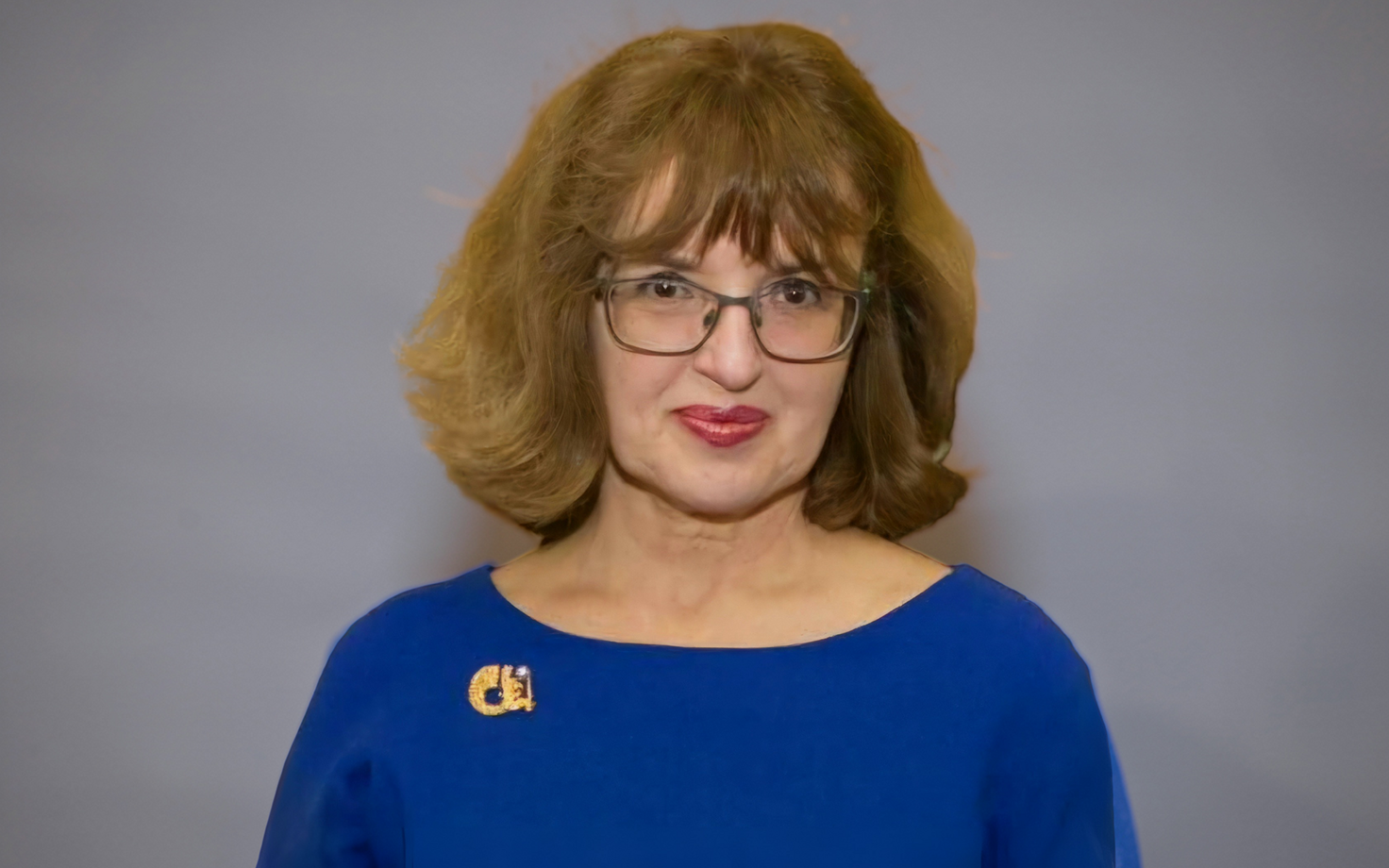
The lack of meaningful integration between the social welfare and healthcare systems forces people in need to navigate a bureaucratic maze that many older adults cannot manage, writes Marica Lillemets.
Estonia has reached a demographic turning point. Population aging is an everyday reality that requires substantive action. We need a new approach that ensures older people have dignified living conditions, access to healthcare services, and social inclusion. The goal should be to shift from providing social assistance to developing a preventive and empowering life‑course policy.
Despite positive steps in recent years — such as the 2023 care reform and the income‑tax exemption for the average pension — significant shortcomings remain that demand full attention and action.
Older people in Estonia face one of the highest poverty risks in the European Union, as pension growth does not keep pace with rising living costs and healthcare prices. We have special‑pension recipients earning around €4,000 per month and others receiving €400. Unfortunately, healthcare pricing does not sufficiently consider older people's financial capacity, and subsistence support does not cover real‑life needs.
We have also failed to ensure that healthcare services are available everywhere in Estonia. The main reason for service inequality is the drastically different capacities of local governments, which leads to unequal treatment depending on where people live. This particularly affects home‑care services and specialist medical care.
Another striking problem in organizing policy for older adults is institutional fragmentation. There is no substantive integration between social welfare and healthcare. This forces people in need to navigate bureaucratic complexity that many older adults cannot manage.
For example, the modern digital system for accessing family‑doctor services is a barrier for many older people living alone. To overcome it, they must rely on younger relatives or acquaintances — or sit at the doctor's door hoping to be seen.
A unified, person‑centered care fund
As a legislative measure, amendments could be initiated to the Social Welfare Act and the Health Insurance Act to create a unified, person‑centered care fund. This would allow different services — such as home nursing and social transport — to be financed from a single platform. This would reduce pressure on emergency departments and the hospital network. The step would help build an integrated care model, add a preventive component, and increase people's motivation to stay healthy and active for as long as possible.
In addition to physical health, we must focus more on mental and social well‑being. Together, these three components give a person a sufficient sense of being healthy. When one is missing, problems arise.
For example, the digital transition has left some older adults in an information void, deepening loneliness and mental‑health concerns. A more serious consequence is social isolation, which increases the feeling of being excluded from life. I am not calling for resistance to technological development, but for early and age‑appropriate digital‑skills training for older adults. Lifelong learning through "senior universities" would be suitable if conducted in small groups led by trained instructors.
The current widespread practice — where a local librarian or shopkeeper performs necessary digital tasks for an older person when dealing with the state — does not teach independent digital skills. But thanks to these helpers, someone still receives assistance.
The Public Information Act could be supplemented with a provision requiring state institutions and municipalities to maintain accessible physical counseling points for older adults who have missed the digital train entirely. Building digital competence should be the responsibility of individuals, the state, and employers to prevent exclusion in our already small society.
Promoting the "silver economy"
Although our physical capacity decreases with age, our knowledge and dedication often peak later in life. Therefore, employing older adults is a tremendous resource, not a burden. Part‑time or flexible work, age‑appropriate retraining, and valuing life experience make older workers highly valuable.
Unfortunately, not all employers recognize this, and the state's tax laws do not support keeping pension‑age people in the labor market. Yet personal dignity and financial stability are closely linked — not to mention the need to feel socially relevant and contributing to one's own and the country's well‑being.
Tax incentives in the Income Tax Act and Social Tax Act could "nudge" employers toward the silver economy. For example, a lower social‑tax rate could be introduced for employers who hire workers aged 55+ (or 65+) with flexible workloads. This would ease labor shortages and keep older adults socially active.
Estonia's success cannot be measured only by GDP growth. It is also reflected in how we treat our older population. The current reactive and fragmented policy must be replaced with a vision in which aging is a safe and dignified process.
I have not addressed all issues related to older adults or all possible solutions, but the proposals presented here could already justify forming an inter‑ministerial working group and preparing legislative amendments. More proposals will come from stakeholder groups. A cross‑sector life‑course policy is unavoidable.
--
Editor: Kaupo Meiel, Argo Ideon


