Universities warn extra funding won't cover surge in applicants

The government will provide extra funding to expand study places as record‑large cohorts reach university age, but universities say the money covers only about two‑thirds of what's needed, leaving many applicants without a place.
To ensure that the large cohorts graduating from high school in the coming years can enter university, the government will allocate about €13 million annually to higher education over the next four years. At the same time, the previously promised increase in operating support for universities will be reduced by roughly €9 million.
"This €13 million is essentially sleight of hand, because the real additional funding is just over €3 million. The problem is not solved. Over the next three years, we will indeed have sharply larger cohorts of high‑school graduates. And you cannot tell high‑school graduates to take a break for five years and come to university later," said University of Tartu vice‑rector for academic affairs Aune Valk.
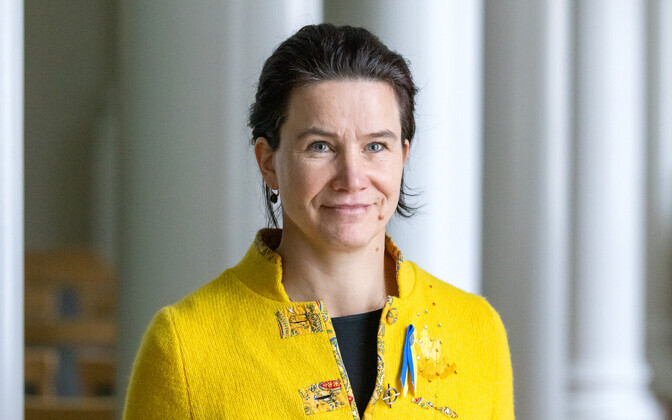
Valk added that the University of Tartu can increase student numbers in 2027 with the extra funding, but after that the situation becomes difficult.
"The concern is also that students do not study for just one year — they study for three, five, or six years depending on the field," Valk said.
The Ministry of Education, however, believes the amount should be sufficient to cover all university needs.
"This sum already accounts for the fact that students study at least three years in bachelor's or applied higher education programs. Medical students, for example, study six years. This has been factored in," said Margus Haidak, senior adviser for higher education at the ministry.
The reduction in operating support is, in the ministry's view, unavoidable.
"Throughout the period when the state made significant cuts over the last four years, we still managed to increase operating support for higher education. Now we simply have to accept this cut to remain in solidarity with the rest of society," Haidak said.
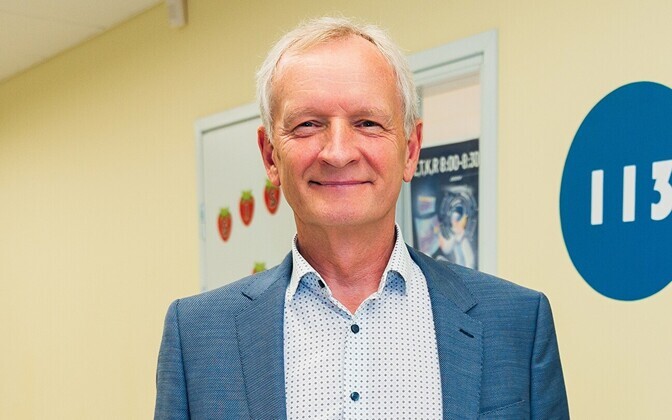
The state aims for nearly half of adults aged 25–34 to have higher education by 2035. According to Tallinn University of Technology rector Tiit Land, the goal is not achievable.
"With the current level of state funding, definitely not. Today the figure is 41 percent. It is not realistic under the current funding model, which means we need to reconsider the model. From the perspective of TalTech, master's programs could be subject to tuition fees," Land said.
How the money will be distributed among universities and which fields will receive support will be decided in November.
"The main priority is fields with the greatest labor demand, meaning we favor areas where studies show the biggest shortages. But since young people are also interested in studying outside high‑demand fields, part of the additional funding will go there as well," Haidak said.
--
Editor: Johanna Alvin, Argo Ideon


