Elmo Nüganen: Burning Dostoevsky won't burn down the Russian world
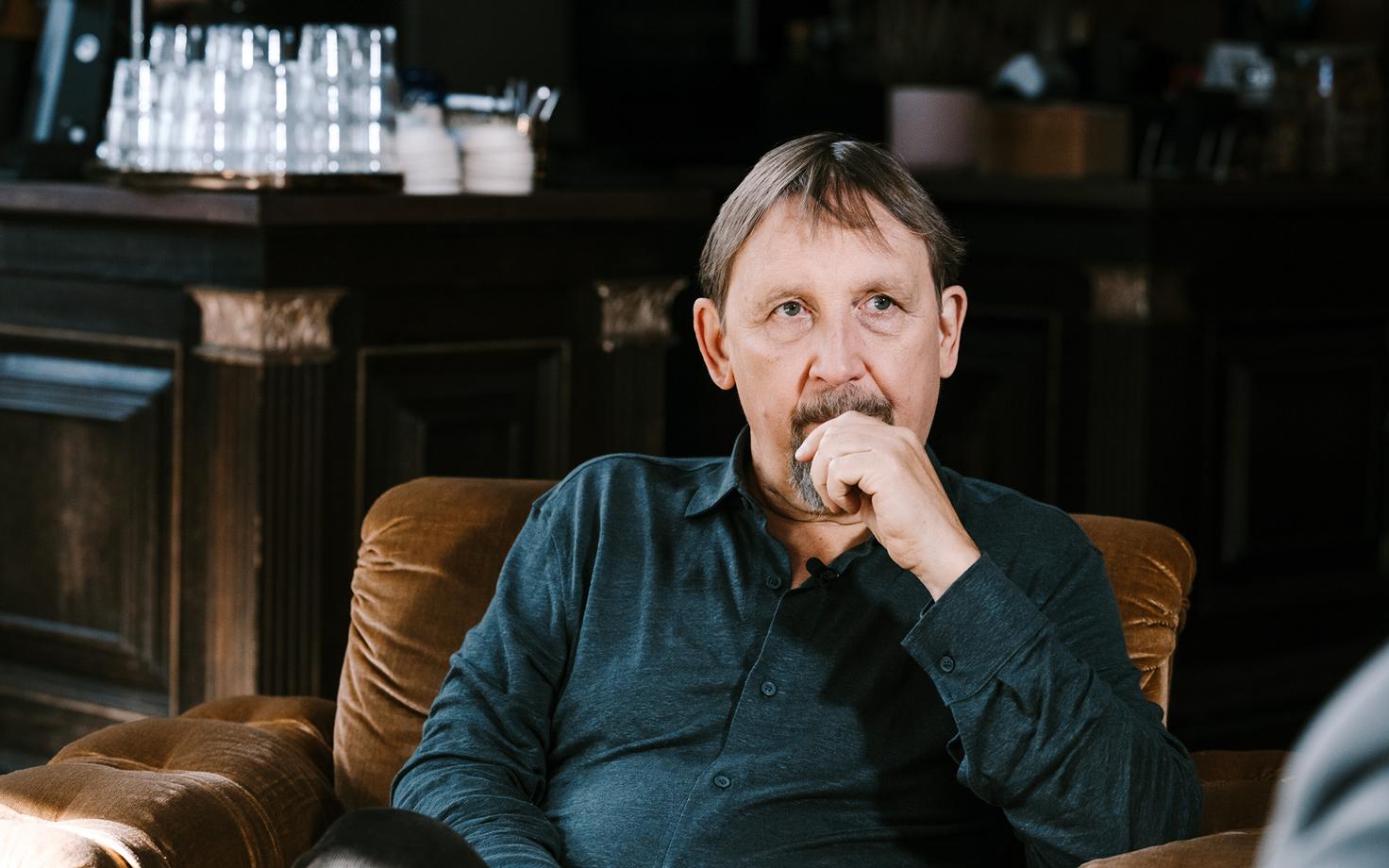
Actor and director Elmo Nüganen, who in recent years has been closely involved with Südalinna Teater (formerly the Russian Theater in Tallinn), says he understands those who do not wish to consume Russian‑language culture — but avoiding Russian‑language culture will not destroy what Russia as a state is.
This autumn is a busy one for Nüganen. A few weeks ago, VAT Theater premiered Merle Karusoo's documentary production "Kui juuri raiutakse…" ("When Roots Are Cut…"), in which Nüganen also appears on stage as an actor. The production brings to the stage the family stories of Estonian theatre makers with Ingrian Finnish roots.
According to Nüganen, being on stage as himself is a different kind of experience. The process of creating the production has also been different, because, he says, the issue is not what is being talked about, but how it is done.
"You have to stay within a certain frame. Merle had quite a hard time with me. She mentioned the metaphor of a trotting race several times: if someone breaks into a gallop during a trotting race, they get disqualified. She hinted to me repeatedly during rehearsals that I should be disqualified here, because there is a certain established form or expectation of how an actor exists on stage in this kind of story," Nüganen said.
How much the actors reveal about themselves to the audience was up to each performer. "Merle has great experience with these kinds of works, and she always asks at a certain stage whether everyone agrees that what has been said so far will remain, or whether someone wants to remove a topic," he explained. In this production, no one removed anything.
Last year, Nüganen staged "Jumalad" ("Gods"), a production about the war in Ukraine, at Südalinna Teater. He said the theatre was a good place for it because he wanted to stage the work in two languages — Estonian and Russian.
"I don't think I've ever had a theatre project where I could think so broadly about which actresses of different generations would fit into the story, regardless of which theatre they come from. Their individuality is such that their combination could be as interesting and unique as possible," he said.
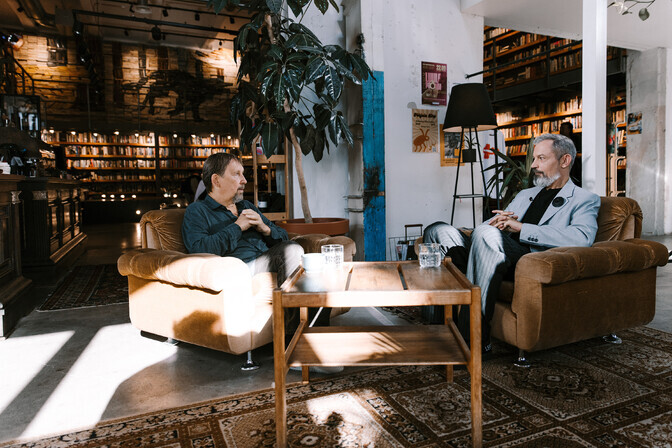
This Friday, Südalinna Teater will premiere Johan Elm's production of Jaan Kruusvall's final play "Kõrberebase elu" ("Life of the Desert Fox"), with Nüganen playing the lead role. As in Kruusvall's other texts, this one also contains many undercurrents, he noted.
"The situation is contemporary in the sense that what runs underneath in this story is very similar to what is running underneath in our society right now," the actor said, lifting the veil slightly.
The production is performed in Russian with simultaneous translation into Estonian. Nüganen says he also understands those who do not wish to attend Russian‑language cultural events.
"My hand doesn't reach for Dostoevsky either — his books stand untouched on my shelf," he said. "If some people think that way and stay away, then in the big picture it doesn't matter — they can burn the books, but burning Dostoevsky won't burn down the Russian world. These are separate things. I understand the person who doesn't want to hear Russian, doesn't want to pick up a Dostoevsky book, but unfortunately that doesn't annul anything."
In addition to his theater work, Nüganen is once again active at the drama school, where he has taken on a new class this year. He says his feelings toward the group are good: "There's no confusion in me, no excessive anxiety — just a calm, steady start."
--
Editor: Karmen Rebane, Argo Ideon
Source: ERR interview by Owe Petersell


