Budget 2027: Reform wants to reduce deficit, Eesti 200 to support economy
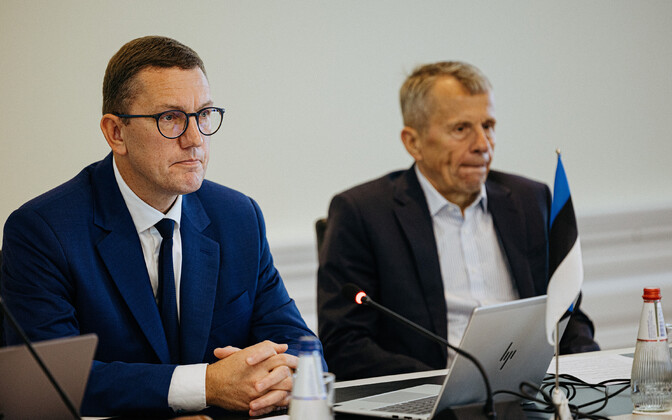


Negotiations for next year's budget started on Tuesday, and the coalition parties Reform and Eesti 200 want to prioritise cutting the deficit and supporting the economy.
Members of the coalition started budget discussions at Stenbock House on Tuesday for 2027 and the budget strategy for the next four years. The government will also shape Estonia's positions on the European Union's new budget period for 2028–2034.
Prime Minister Kristen Michal (Reform) plans to present the state budget to the Riigikogu in the last week of September.
Reform wants to cut the deficit by at least half a percentage point of GDP.
"At most, next year's budget deficit could be 4 percent. What makes achieving this goal easier is that our economy is growing – not vigorously, but still – people are working and taxes are coming in," Annely Akkermann (Reform), chair of the Riigikogu Finance Committee, told Monday's "Aktuaalne kaamera" evening news show.
Another favorable factor is the easing of inflation.

"Indexed expenditures, pension expenditures – those indices will be relatively small next year. If pensions are indexed to inflation and wage growth, then that index will be smaller next year. There also should not be very great pressure from wage costs, because the purchasing power of wages has been maintained," she said.
Coalition partner Eesti 200 wants to support the economy and people.
"We have earmarked 5 percent for defense spending well in advance, and we should increase the rest of the state budget so that we can maintain economic growth and improve competitiveness. We should not reverse investments; investments make up a large part of the budget. Estonia is a major investor, but I think we should continue with that," said Education Minister and Eesti 200 chair Kristina Kallas.
Kallas wants to see a pay rise for teachers, additional funding for vocational education and digital development.
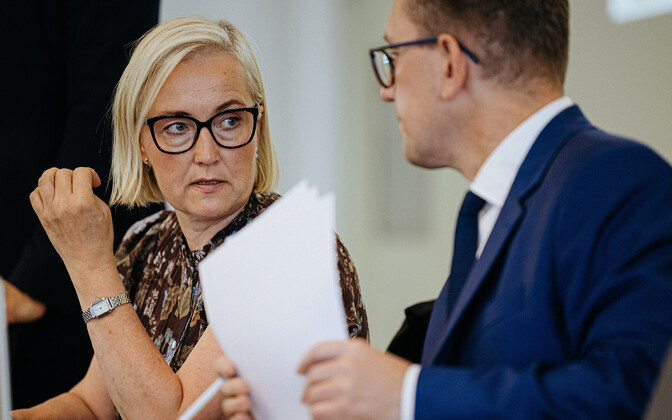
"Reducing the budget deficit means the need to make cuts, and to cut education, healthcare and the social sector. At the moment, I do not see where those cuts should come from. We have slowed expenditure growth there quite significantly – by hundreds of millions. I do not see that we have any room to hold back there," she told "Aktuaalne kaamera."
As the coalition does not have enough votes to pass the budget by itself, it will need support from other parties or non-aligned MPs in the Riigikogu to do so.
Center Party MP Andrei Korobeinik says his party will not support a budget that does not improve the state of public finances.
"The main problem is the very large budget deficit, and the coalition has not proposed a single solution for how we will reduce it in the medium term, and there is a serious risk that before the elections there will be a desire to hand out money everywhere," he said.
If the budget is not adopted, the state will continue operating next year proportionally on the basis of this year's budget.
This article was updated to add the gallery and additional information about the budget negotiation process.
--
Follow ERR News on Facebook and Twitter and never miss an update!
Editor: Helen Wright, Marko Tooming
Source: Aktuaalne kaamera


