Presidential security adviser: Abu Dhabi talks unlikely to stop the war
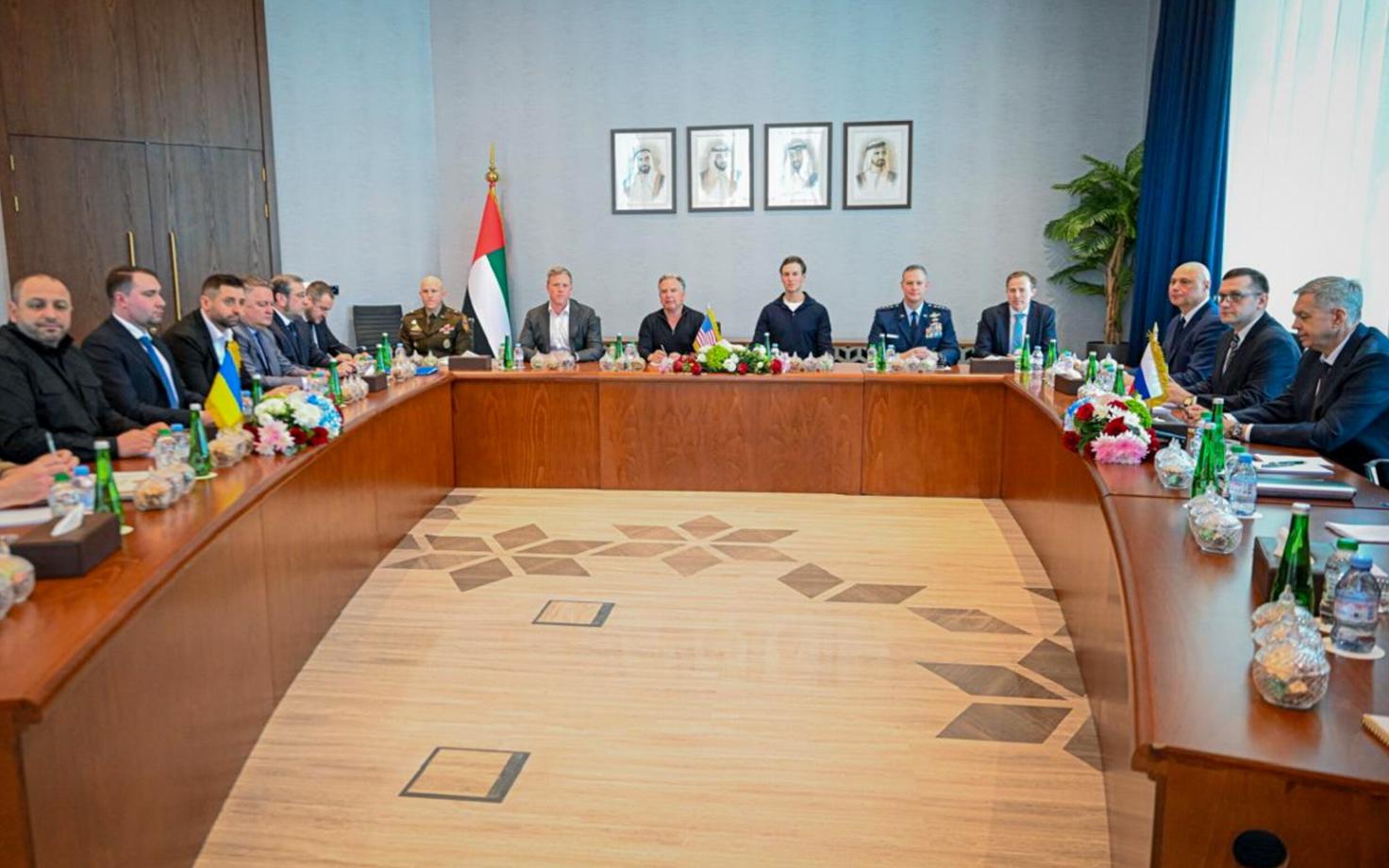
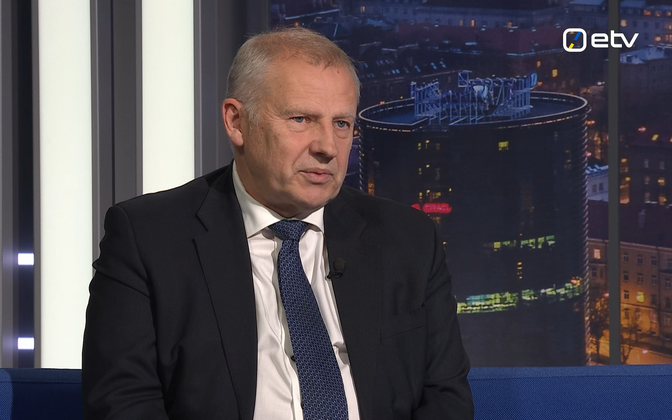
Ukraine, Russia and the U.S. begin talks in Abu Dhabi on Tuesday, but Rainer Saks, security adviser to the President, says a ceasefire is unlikely at this stage.
Representatives of the United States, Ukraine and Russia are expected to meet in Abu Dhabi for talks after a long break. What should we be looking out for?
The first thing to watch out for is what topics ultimately come to the table and which issues are publicly acknowledged as having been discussed.
The Russian side has consistently stressed that these talks will deal only with what we would consider technical issues. In other words, how to ensure that, once a ceasefire has been reached, it can be maintained. How to prevent hostilities from breaking out again due to certain incidents. In the view of the Russian side, this is the main focus of the talks.
Previous trilateral talks have also focused primarily on these issues. They have also included prisoner exchanges and the return of Ukrainian children deported to Russia. In other words, humanitarian issues.
Actually, neither Ukraine nor the United States has claimed that politically sensitive issues will now be discussed. There may be some exchange of information on these matters, but it appears that negotiations on them will not take place. So it can be said that the talks beginning today are unlikely to result in a cessation of hostilities.
Political observers say that Russia wants negotiations but does not want peace. Can we expect any progress toward ending hostilities from these talks?
The catch here is that unless there is an agreement on how to enforce a ceasefire, including a whole range of military de-confliction measures, it is very difficult to establish one. Ultimately, these issues also turn out to be political.
But another issue that may be discussed is security guarantees for Ukraine. This ties in with the previous question, because Ukraine and Russia alone cannot guarantee a ceasefire in the future if one is reached. There must be third-party involvement, and probably some form of military involvement as well. This is reportedly also on the agenda.
But the real reason people say Russia wants talks but not peace is that Russia is demanding additional Ukrainian territory in exchange for ending hostilities. It also wants to gain direct influence over the political process in Ukraine.
So can we conclude that there is essentially very little to expect from the Abu Dhabi talks?
There is still something to hope for in the sense that a diplomatic process toward a more stable peace could get underway. Ukraine certainly needs these talks as well, because otherwise no result will ever be achieved. But ultimately, there is really no point in getting ahead of events. Let us first see whether, after the Abu Dhabi talks, it is announced that further talks will take place at all.
Background:
Foreign Minister Margus Tsahkna (Eesti 200) said there is no reason to think the talks will produce a broader European peace settlement, and that the best they can achieve is a ceasefire — though he does not personally believe one will be reached in any case, as Russian leader Vladimir Putin wants to divide the West, Tsahkna said. Moscow and Kyiv remain far apart on the Donetsk oblast, with Russia demanding Ukraine cede the parts it still holds and Ukraine wanting to freeze the contact line. Some U.S. officials have said there is "a little bit of flexibility" on this matter though.
--
Follow ERR News on Facebook and Twitter and never miss an update!
Editor: Andrew Whyte


