Estonian foreign minister on Abu Dhabi talks: Best possible outcome would be a ceasefire
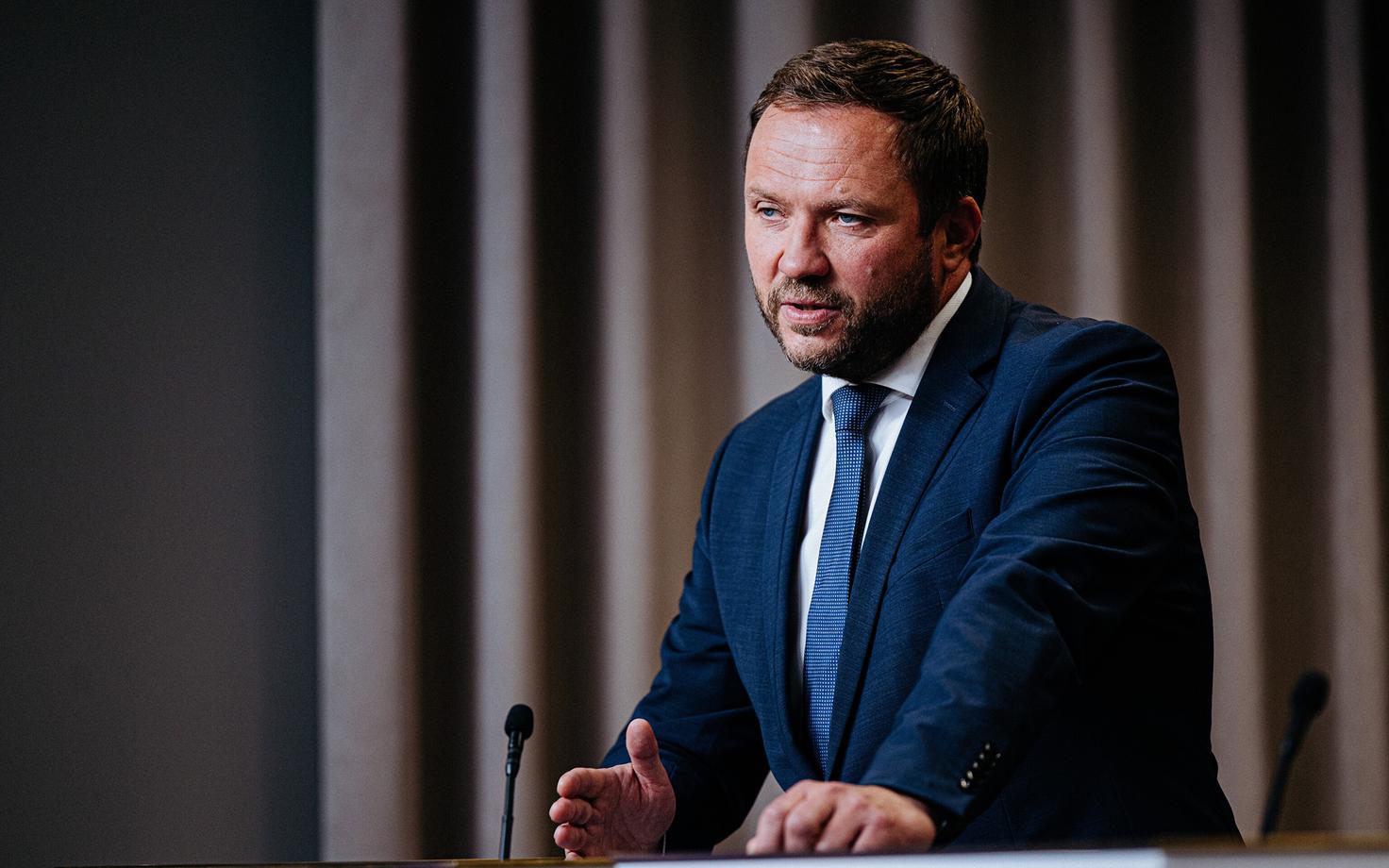
Foreign Minister Margus Tsahkna said there is no reason to fear that this week's U.S.-mediated talks on the Russia-Ukraine war in Abu Dhabi will result in some broader European peace settlement. The best possible outcome would be a ceasefire, although Tsahkna personally does not believe one will be achieved.
Recent comments by U.S. President Donald Trump have fueled concerns that he is shifting course toward the Kremlin. Among other things, there has been speculation about a major agreement with Russia that would extend beyond the war in Ukraine and affect Europe as a whole.
Speaking on ERR television morning program, Tsahkna stressed that no agreement concerning Europe can be made without Europe itself. He acknowledged that a trilateral meeting involving Russia, Ukraine and the United States is taking place in Abu Dhabi on Tuesday, but noted that European representatives are also present.
Tsahkna said the main argument for Europe's participation in any potential Russia-Ukraine peace agreement is that Ukraine is part of Europe.
"Europe is essentially the side that is currently paying for and supporting Ukraine while putting pressure on Russia. And if a peace agreement is reached that also shapes Europe's security architecture, it is only natural that Ukraine and Europe are at the table and that anything concerning us is agreed with us as well. President Zelenskyy has repeatedly said the same thing," Tsahkna said.
No room for gray zones in Europe
At the end of last week, foreign ministers from the Baltic Sea region met in Poland, where Ukraine's strongest supporters discussed further steps to increase pressure on Russia and support Ukraine. Their message was that a ceasefire must come first, creating an opportunity for negotiations on peace between Ukraine and Russia. At the same time, Tsahkna said, the Western world and Ukraine should develop security guarantees for both Ukraine and Europe to prevent Russia from launching another war of aggression.
"We see it this way: in the future, there can be no gray zones, neutral territories or buffer zones between NATO, the European Union and Russia. That is precisely why Europe's role in these peace talks is so important."
"If there is a genuine discussion about Europe's conditions, we have unity when it comes to Europe's security architecture and our role within it. We will find a consensus among ourselves on who specifically should sit at one table or another. Whoever represents Europe must also represent countries that are not members of the European Union, such as the United Kingdom, Norway and Iceland," Tsahkna added, stressing that he is not concerned about Europe's ability to reach agreement.
Doubts Putin wants a ceasefire
Commenting on the Abu Dhabi meeting, Tsahkna said this is not the first time senior officials or special envoys have met in a trilateral format, with European representatives also participating, in this case from France, the United Kingdom and Germany.
"These negotiations cannot produce some kind of European peace settlement. The best outcome they could possibly achieve is a ceasefire, meaning the weapons fall silent. Only then can further discussions take place. Personally, however, I do not believe Putin wants a ceasefire. He wants to divide the Western world," Tsahkna said.
--
Editor: Mirjam Mäekivi, Argo Ideon
Source: ERR interview by Margus Saar


