Defense official: Russia is stepping up attacks on civilian infrastructure
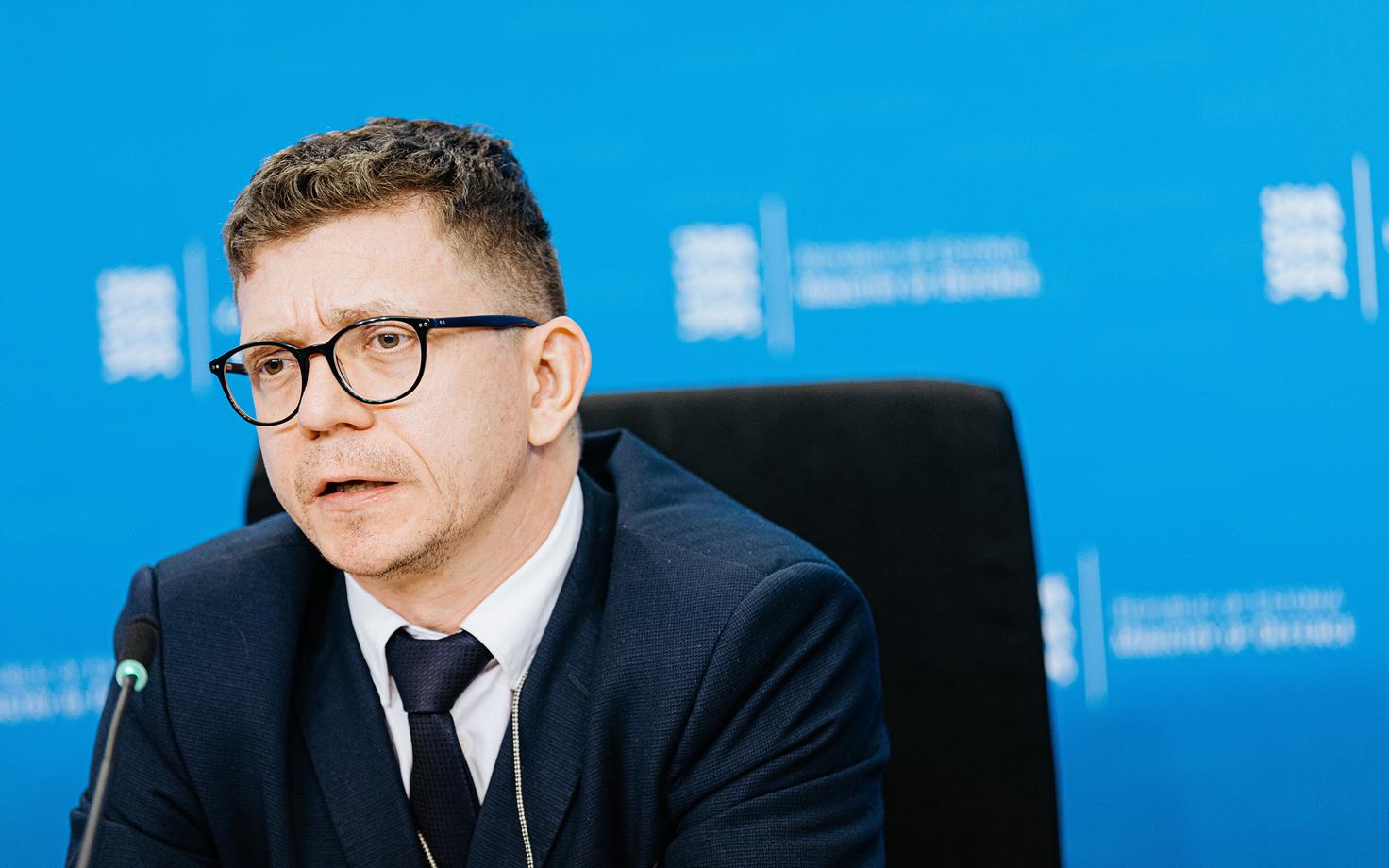
With front lines largely unchanged, Russia is intensifying long-range strikes on civilian infrastructure, Estonian Defense Ministry official Gert Kaju said Friday.
Both Ukraine and Russia are preparing for talks in Abu Dhabi, but Kaju, director of the Defense Readiness Department at the Ministry of Defense, said statements made by both sides leave little reason to expect a major breakthrough.
He noted that the results of this Tuesday's midterm elections in the U.S., in which Democrats flipped both the U.S. Senate and the House of Representatives, are unlikely to change American diplomatic efforts either.
"If anything, we can expect the U.S. to increase pressure on both sides to make concessions and show at least some progress in negotiations," Kaju continued. "But neither side looks to be ready to do so."
On the battlefield, Russian forces have made little progress and fighting along the front has largely stabilized. Russian casualties remain high, however, and Moscow has stepped up long-range strikes to compensate for its lack of success on the ground.
"It's primarily civilian sites that have been targeted," Kaju said, adding that a recent ceasefire in Oleshky had ended and Russian forces had resumed hostilities in the Kherson region.
The past week has seen around 200 clashes a day, with Russian troops facing around 2,000 losses a day.
"At one point last week, Russian losses were estimated at more than 2,500 in a single day, making it one of the deadliest days, if not the deadliest, for Russian forces in recent months," Kaju said.
Ukraine disrupting Russian combat prep
Weekly losses are estimated at around 15,000. The front line, however, has barely budged.
The defense official attributed the high casualties in part to Ukraine's effective use of medium-range unmanned systems, which have allowed it to strike deeper into Russian rear areas in occupied territory and disrupt preparations for combat as well as operations near the front.
"So Ukraine has managed to somewhat blunt Russia's offensive capabilities with its medium-range strikes," Kaju noted.
Russia's main offensive efforts, meanwhile, remain focused on the Pokrovsk and Kostiantynivka directions, with attacks continuing toward Huliaipole as well.
Kaju said Russia has intensified its long-range strikes, targeting anything they deem necessary, including civilian, social, medical, energy, logistics and transport facilities and infrastructure.
He cited a November 2 Russian airstrike on a school in Zaporizhzhia Oblast where humanitarian aid was being distributed. The attack killed 42 people and left 33 missing.
"This is one of the highest single death tolls the Russians have caused with such a bombing," the official noted.
The strike involved a 1,000-kilogram aerial bomb with a blast radius of up to 250 meters. Russian forces then dropped nine more bombs on a shelter where people had taken refuge from the initial attack, killing and injuring several people, including rescuers responding to the first strike.
Sights set on energy infrastructure
The following day, Russian aircraft bombed general hospitals in Kharkiv and Dnipro, damaging both facilities and forcing patients to be evacuated to other hospitals. Kaju said dozens of people were injured as a result as well.
"Russia is continuing to deliberately target civilian infrastructure," he said.
In addition to hospitals and similar facilities, however, Russia is also targeting energy infrastructure ahead of winter in an apparent effort to break Ukraine's resolve.
"Fortunately, it's seemingly had no such significant effect so far," Kaju added.
The Estonian defense official expects Ukraine to retaliate against Russian energy infrastructure this winter, noting that Ukraine's long-range strike capabilities have improved considerably.
"So this coming winter will certainly be significant, if not decisive, in determining how well each side manages to withstand these attacks," Kaju said.
--
Editor: Aleksander Krjukov, Aili Vahtla


