Estonia cuts port waterway fees up to 25 percent for cleaner ships
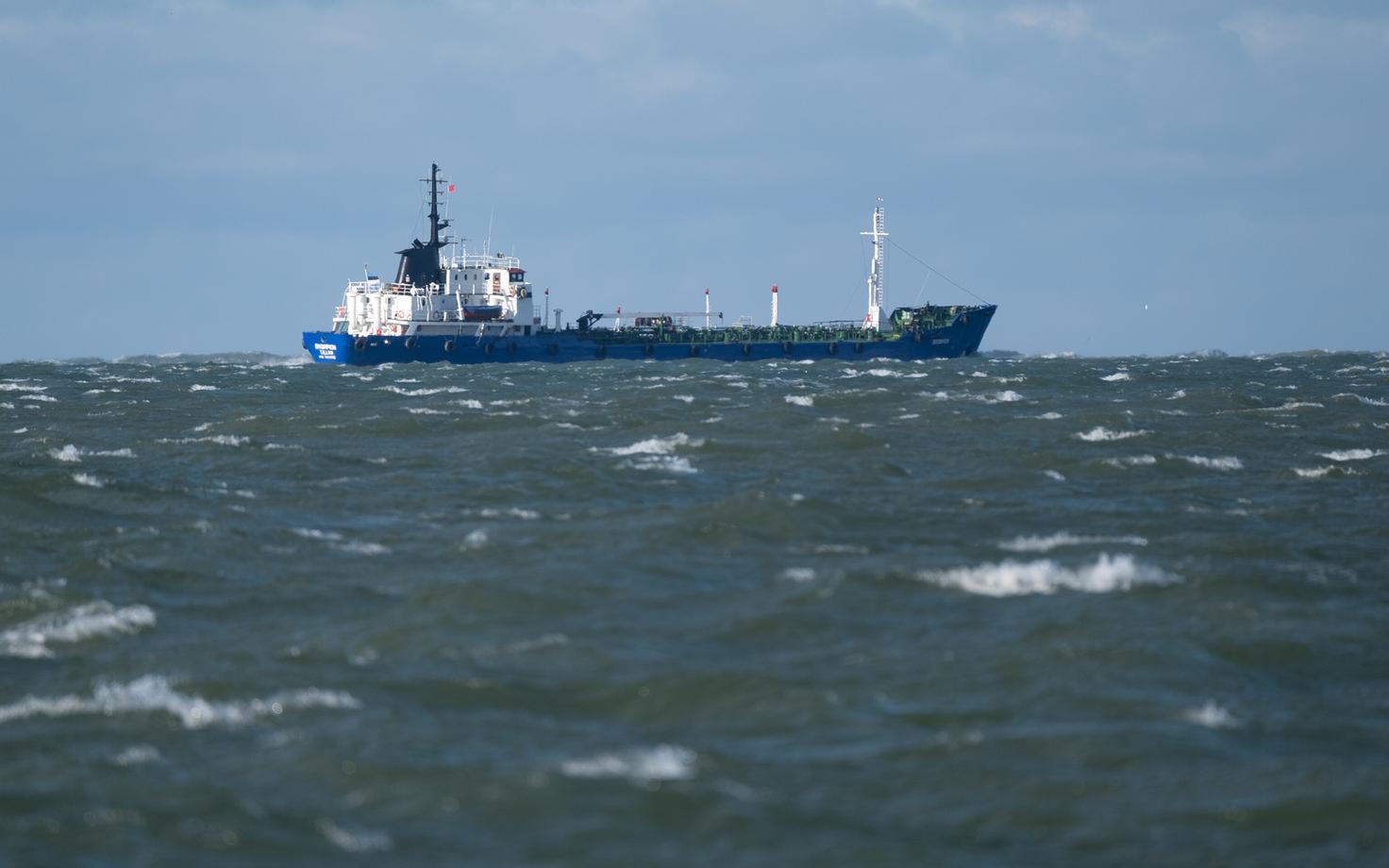
The Riigikogu has passed amendments to Estonia's Maritime Safety Act cutting waterway fees by up to 25 percent for lower-emission vessels starting in 2027.
The overhaul ties port fees to environmental performance, ends an exemption for offshore fossil fuel bunkering and raises rates for cruise ships beginning in 2028.
Under the amended law, which enters into force at the start of 2027, vessels with above-average environmental ratings will pay up to 25 percent less than standard waterway rates when calling at Estonian ports or anchorages.
The legislation also ends a longstanding exemption for fossil fuel bunkering — the transfer of marine fuel or engine lubricants — at offshore anchorages due to marine pollution risks. Operators refueling vessels with fossil fuels at anchorages will pay 50 percent of the standard waterway fee in 2027 and the full rate from 2028. Vessels bunkering with non-fossil fuels will remain exempt.
Cruise ships face higher charges beginning in 2028. Cruise operators currently pay a unit rate roughly 2.5 to three times lower than other commercial vessels, according to the Ministry of Climate. Both the existing unit rate and the per-visit fee cap for cruise ships will remain unchanged through 2027.
Waterway fees are levied whenever a ship enters an Estonian port or anchorage to fund navigation infrastructure, icebreaking and maritime safety services.
Minister of Infrastructure Kuldar Leis (Reform) said the revised fee structure is intended to offset compliance costs for cleaner operators as shipping enters the EU's Emissions Trading System (ETS) while keeping Estonian ports competitive.
"The new system of waterway charges favors less polluting ships, helping to reduce the environmental impact of maritime transport. Lower charges give owners of greener ships another reason to choose Estonian ports, strengthening the position of both our ports and Estonian businesses in the highly competitive Baltic Sea region. The discount also helps cushion the impact on shipowners of bringing the maritime sector into the European Union's Emissions Trading System," Leis said via a ministry press release.
Estonia had temporarily discounted waterway fees — including a 15 percent reduction — to cushion maritime operators after the loss of Russian transit cargo. The Port of Tallinn competes closely with lower-fee terminals in neighboring Latvia and Lithuania.
--
Follow ERR News on Facebook and Twitter and never miss an update!
Editor: Andrew Whyte


