Üllar Lanno: So that treatment queues don't turn into death sentences
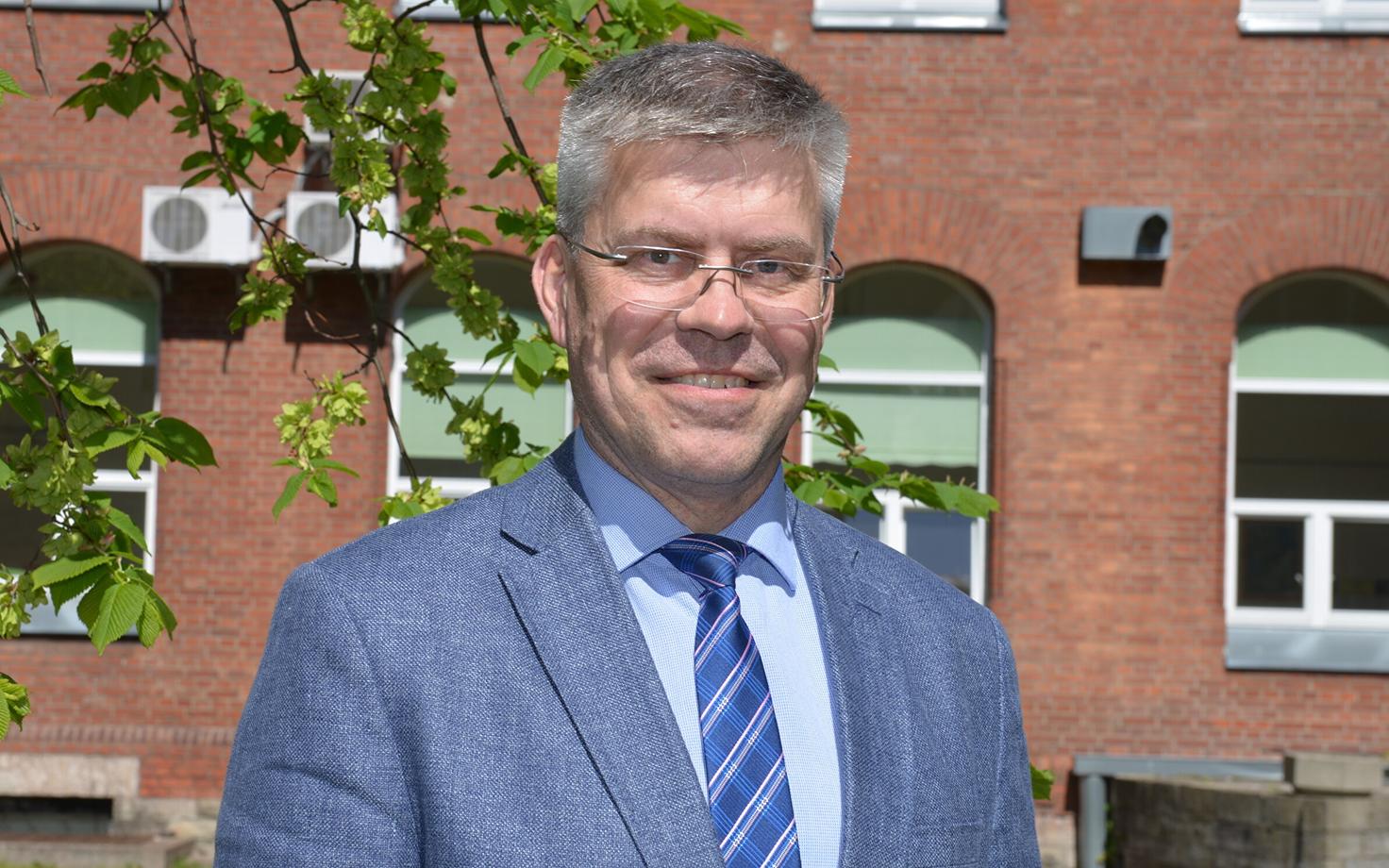
If the state tries to save money in healthcare by stretching waiting lists and cutting services, someone will eventually pay with their life. The next government will have little choice but to sharply expand medical training and close the funding gap, because the state is obligated to provide timely care, writes Üllar Lanno.
More and more often we must remind ourselves that Estonia still has a solidarity‑based healthcare system, and every social tax payer must have access to a specialist within a reasonable time. Unfortunately, more and more people from rural counties are traveling to hospitals or private clinics in Tallinn or Tartu.
In private clinics, a quick paid appointment is often obtained with a phone call. No e‑consultation filter — you get everything you need if you pay, even though you have already paid social tax. In this way, the state reaches deeper into our pockets to cover the Health Insurance Fund's deficit. The poorest are left without help, and the system becomes expensive and unequal.
The Health Insurance Fund calls next year's cuts "modernization." Behind that word is a €3 million reduction in specialist outpatient funding and nearly €10 million in cuts to radiology. This year, laboratory funding was also reduced by one‑sixth. In total, specialist care faces more than €24 million in negative changes.
On paper, a small miracle happens: specialist care still ends up €1.81 million in the black. The rabbit is pulled out of the hat using a €15 million "modernization and demand assessment reserve."
A reserve for modernization
It is unknown which services will receive this money, how it will be allocated, or how much of the reserve will actually be used. The Health Insurance Fund wants to reduce its deficit from nearly €90 million this year to €44 million next year. Meanwhile, healthcare costs continue to rise. Doctors and nurses want wage increases above average salary growth, while the Ministry of Finance forecasts average wage growth at around five percent.
Salaries make up two‑thirds of a hospital's budget. Giving hospitals less money while saying salaries must rise is like ordering someone to remove five kilos from a backpack and then pack ten kilos more into it. Something must disappear — most likely appointment slots and treatment capacity.
This year, specialist contact appointments in the first half of the year were down six percent compared to last year, and 15 percent compared to 2023. Meanwhile, e‑consultations increased by 27 percent. E‑consultations are not the enemy when a family doctor quickly receives specialist advice. But a slow, drawn‑out e‑consultation becomes a barrier behind which the patient waits while their illness progresses. And e‑consultations are answered by the same doctors — the bottleneck remains until more of them exist.
Unlimited waiting time
Take a family doctor who asks a cardiologist for advice. The cardiologist replies: first do an ECG, an echo, blood tests, and a few more examinations. Then the results are sent again. The clock ticks, and the patient still has not seen a cardiologist. The system saves money until the disease decides it will not wait any longer.
During the 2009 economic crisis, the maximum waiting time for outpatient specialist care was extended from four weeks to six. The crisis ended, but six weeks remained. Last year, nearly a quarter of planned first specialist visits exceeded that limit. In regional hospitals, more than a third exceeded 42 days.
After an e‑consultation, 23 percent of patients who needed an appointment were scheduled more than 42 days later. Current rules say a person may be placed on a waiting list only if waiting does not worsen their health, disease progression, or prognosis — and this is not a recommendation.
If the system cannot fulfill its duties, the solution cannot be lowering the bar. If a house's foundation sinks, there is no point in sawing the doorframe crooked so the door closes again.
We need more doctors
First, the University of Tartu must increase medical school admissions by at least 30 percent and maintain that level for at least ten years. The number of lecturers and clinical supervisors must grow alongside student numbers. If we decide we need more doctors, we will get a specialist with some experience in ten or eleven years.
A warning sign: in the past five years, one‑third of residents dropped out of specialist training. Last year, 115 specialists left the workforce due to age. Each year, 140–160 registered doctors turn 65, and those aged 65 and older already make up 23 percent of working doctors.
Society invests hundreds of thousands of euros in training each specialist. Training doctors is expensive — but their absence is even more expensive. Shortages lead to massive overtime, burnout risk, and declining quality. Patients wait longer, illnesses worsen, and cheap treatment becomes expensive treatment.
Second, the state must stop burning millions on fragmented, outdated IT systems. Around twenty hospitals and nearly a thousand family doctors use different software, and next year yet another new system will be added. A unified standard system would save money and time, make data exchange more secure, and create better opportunities to use AI.
Third, the state must create long‑term workforce plans for each hospital. Based on population forecasts, we can calculate how many cardiologists, surgeons, radiologists, psychiatrists, anesthesiologists, nurses, and other specialists each region needs now and in ten years. A staffing system cannot rely on doctors doing overtime for life — overtime is a backup generator, not the electrical grid.
Fourth, video consultations must become a normal nationwide specialist service. A doctor should not have to drive hours across Estonia just to talk to a patient and review test results. A patient should not have to travel hundreds of kilometers when the same consultation can be done on screen. In Ukraine, people can speak with a family doctor from a shelter via phone. Estonia already has the technology. We lack decisions, not cables or megabytes.
Fifth, clearer limits must be set on e‑consultations to protect family doctors. E‑consultations must bring the patient closer to a specialist, not become a tool to keep them waiting. If a specialist determines that a patient needs an appointment, they must receive it within a medically justified time. We need teamwork and less bureaucracy.
Record number of new specialist trainees
A two‑speed healthcare system is emerging. In the Health Insurance Fund system, you go through a gauntlet of e‑consultations and tests, but in a private clinic you often get an appointment within days if you are willing to pay over €100. Those with money buy time; those without lose time to illness.
Sixth, the state must stop pretending that the healthcare costs of an aging society can be shaved down a little each year. The ratio of taxpayers to dependents is changing, the population is aging, and the number of working‑age people is shrinking. Healthcare funding needs will grow as older people's treatment needs grow. If the Health Insurance Fund is short €100 million, the state budget must cover it.
At the same time, we must examine how much the Health Insurance Fund invests in prevention. That amount must grow, and the activities funded must produce measurable results.
It is easy to add clichés like "medical care must be accessible to everyone" to election programs, but in reality we are moving further away from that goal. Inequality is already high, and access to medical care cannot become its newest expression.
For decades, Estonia has had internationally recognized, cost‑effective, high‑quality medical care. The most foolish thing would be to make this success story more expensive through underfunding — and let people wait until cheap treatment becomes expensive treatment, and a treatable disease becomes untreatable.
--
Editor: Kaupo Meiel, Argo Ideon