Migration pressure clogs administrative courts, delaying other cases
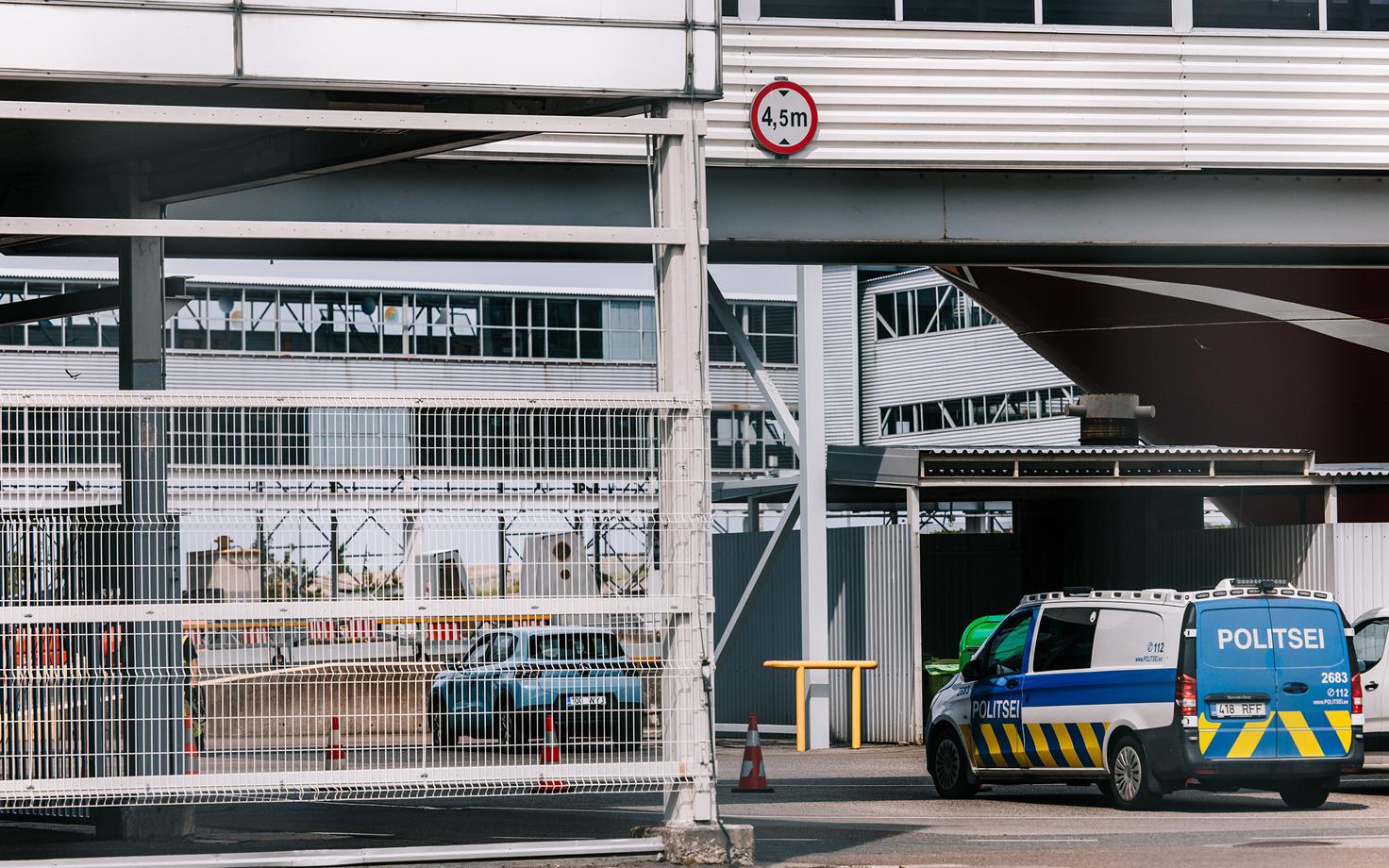
Migratory pressure is putting such a burden on the Estonian court system that it has been delaying other proceedings.
The issue relates to the two, first-tier administrative courts, with Tallinn mostly affected.
Around 130 applications were submitted to the Tallinn Administrative Court by the Police and Border Guard Board (PPA) last year. These sought permission to detain foreign nationals with no legal basis for staying in Estonia. In the first nine months of this year, the applications came to slightly over 400. Since July, when the spike in migratory pressure was seen, 308 applications have been submitted, more than 90 of them last week alone, Tallinn Administrative Court spokesperson Anneli Vilu noted.
This comes at a time when the number of other complaints has also been rising. While 1,445 complaints were filed in the first nine months of last year, the figure for January-September this year stood at 1,620. Additionally, PPA permission applications have increased roughly five times, with the net result that the Tallinn court is operating under an excessive workload.
"Processing applications on the scale seen last week, for example, means that the duty judge has no time to deal with other matters. Tallinn Administrative Court's capacity to deal with ordinary court cases has fallen sharply in recent months. In practice, this means that people who file complaints with the administrative court have to wait increasingly longer for their cases to begin and for their disputes to be resolved," Vilu said.
The increased demand means two duty judges are assigned to the Tallinn court on a rotational basis each week, compared with one as before. The switch is mainly to deal with urgent cases involving foreign nationals. Vilu said the number of duty judges may have to be increased in the future.
All foreign nationals detained in Estonia without a legal basis for staying in the country go through the administrative court, which must give police permission to detain them for longer than two days. For permission to be granted, the detained person must be heard at a court hearing with the assistance of an interpreter, and this must take place within the first 48 hours.
If the individuals apply for international protection, which would provide a legal basis for staying in Estonia and the European Union, the PPA must also determine whether the conditions for receiving international protection are met, particularly whether the person's life and health are at risk in their home country.
When considering whether to grant permission to detain a person, the court primarily assesses whether the circumstances relating to that person require further clarification, as well as whether there is a risk of the person absconding while those circumstances are being established, Vilu said. If the court finds that there is a risk of absconding, it may grant permission to place the person in a detention center for up to four months.
Countries of origin in Africa and Asia
Those detained often have no documents, and it frequently emerges that they arrived in Estonia with the help of organizers of international illegal migration. According to Vilu, the individuals themselves have stated a wide range of countries of origin including Ethiopia, Eritrea, Somalia, Morocco, Egypt, Algeria, Yemen, Guinea, Mali, Burundi, Nepal, Pakistan, Sudan and India.
Some detained foreign nationals have claimed to be minors, and it is up to the PPA to determine whether those claims are valid: Minors receive extra protection under EU law. When deciding where to place a person, the court relies on the information available to it at the time.
The PPA has said, for example, that while there were initially more than 60 people who claimed to be minors, that number fell by nearly 20 after a brief interview. When a special commission then began determining their ages through a comprehensive assessment procedure, it found that of 43 people claiming to be minors, only two actually were.
The majority of illegal migration streams into Estonia originate in Belarus, crossing the border into Latvia, Estonia's neighbor to the south. The process has been seen as a type of hybrid warfare.
--
Follow ERR News on Facebook and Twitter and never miss an update!
Editor: Andrew Whyte, Taavi Eilat, Marko Tooming



