Political parties looking to reduce Riigikogu members' salaries

Political parties are discussing MPs' salaries, with both the coalition and opposition looking to make cuts in the next Riigikogu after the 2027 election.
Since April 1, 2026, the monthly salary of a Riigikogu member has been €6,655.81. MPs can claim reimbursement for work-related expenses of up to 25 percent of their salary.
Isamaa Chairman Urmas Reinsalu said that in recent years, salary increases for other senior state officials have been relatively smaller in line with austerity policy. But "this has not been applied to parliament," he said.
At the moment, it is still possible to set MPs' salaries for the next composition of the Riigikogu, which will be elected in March 2027.
Reinsalu said Isamaa has drawn up legislation to make the change, and the proposal has two parts.
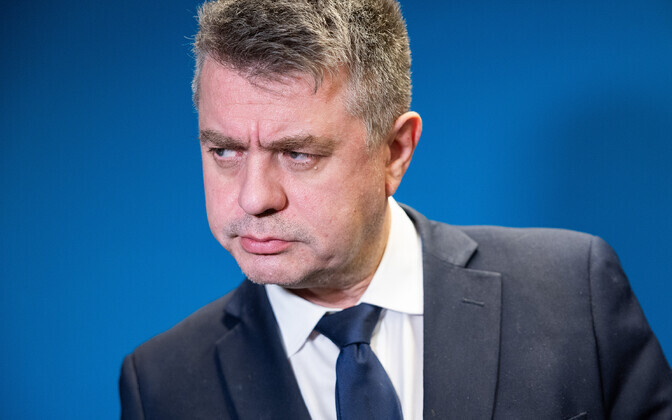
"The first part is to reduce MPs' base salaries by roughly 10 percent to restore the previous proportion with other senior state officials, which has now shifted out of balance," he explained.
"And also, when it comes to their salary increases, to move to a more gradual system, which the government proposed introducing for the coming years," the chairman added.
Reinsalu claimed this would lead to savings of around €10 million over four years. He said the issue has not yet been discussed with other political parties but hoped Isamaa's initiative would find support.
Reform: Subject already under discussion
Reform Party parliamentary group chair Õnne Pillak told ERR that Isamaa is pushing at an open door. The government is already in the process of amending the Salaries of Higher State Servants Act.
"The plan to similarly reduce the rate of salary increases for Riigikogu members has certainly been under discussion among us. The question is what that percentage should be. There are different alternatives, but we should first wait for the bill to reach the Riigikogu," she said.
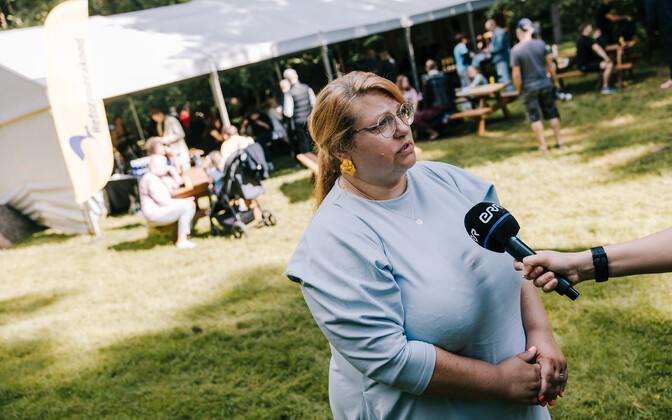
Pillak said Reform supports the principle that Riigikogu members, like government ministers, should receive smaller salary increases.
"But for me, what matters is not who submitted the bill. What matters to me is that the necessary decision gets made. Isamaa also knew that this bill would be coming to the Riigikogu from the government. So we can make all the necessary decisions within the framework of that bill," Pillak added.
She said there is no competition between the submitted bills, but Isamaa's proposal is incomplete.
"If the government said several weeks ago that such a bill would be submitted to the Riigikogu, then it makes sense to decide everything within the framework of a single bill. Isamaa can also come and support it, and it is not ruled out that, if the solutions are similar in substance, Isamaa's bill could also be merged with it. There is no need to do the same thing through several different bills," Pillak added.
--
Follow ERR News on Facebook and Twitter and never miss an update!
Editor: Helen Wright, Aleksander Krjukov


