Wandering cat Kurri covers 15,000 kilometers in two months
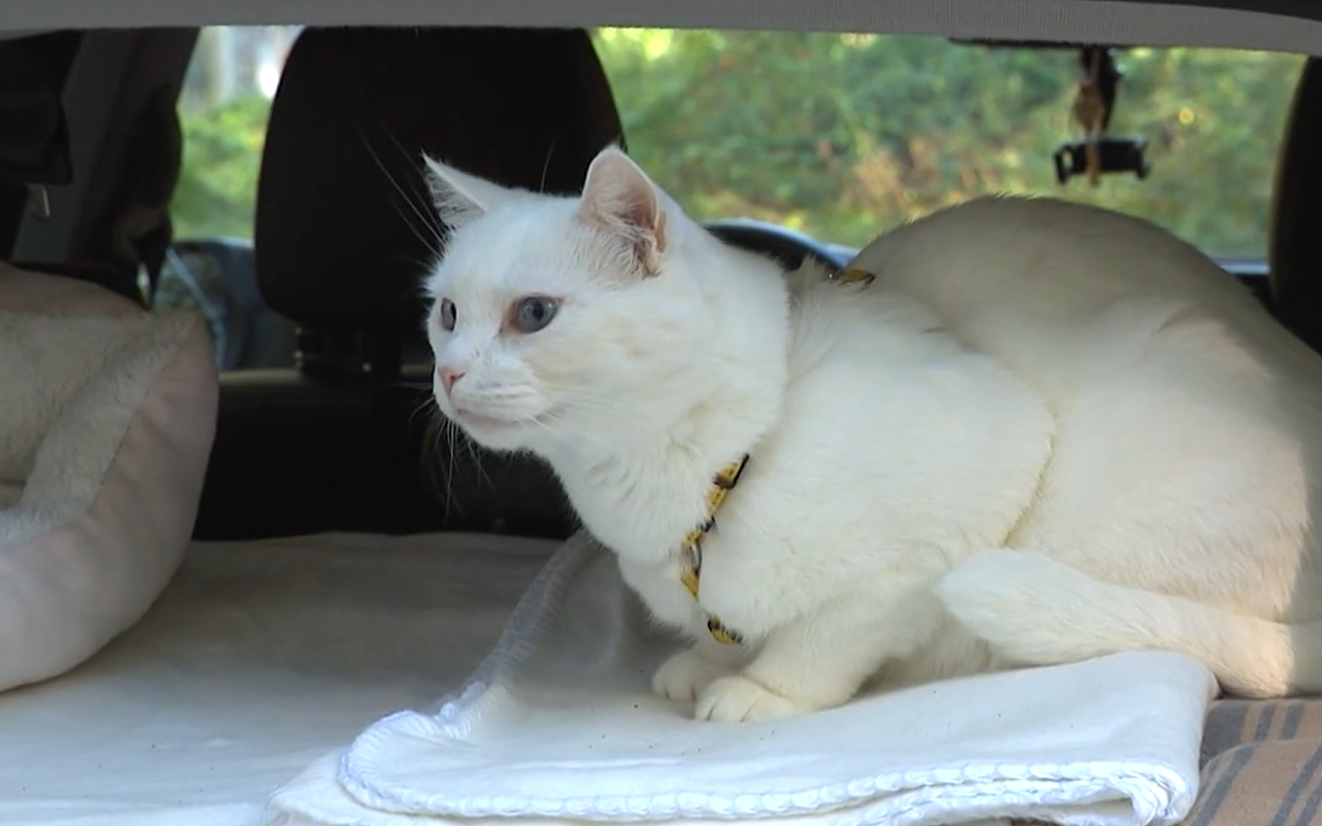
Kurri, adopted from a shelter, has over the years become a travel‑loving wanderer with six summer road trips behind him.
Recently the cat traveled 15,000 kilometers in two months, braving mountain roads, passing through 14 countries and reaching Armenia.
"Kurri was offended with me for three days. Normally he comes to my lap and sleeps next to me at night, but he just ignored me. He was so upset that we were home and not going anywhere anymore. No more daily excitement."
Now nine years old, Kurri came into owner Katri Bagirov's life from a shelter where she volunteered helping cats find new homes. "I was also a foster home for a while. That winter there were many cats in quarantine. Kurri was in the worst condition, so I took him under my care, took him to the vet, and it turned out he had pneumonia. I nursed him back to health and started looking for a home for him. Soon the thought started ticking that maybe I wanted him myself, and we began looking for ways to adopt him," said Bagirov, whose life involved a lot of travel.
"He didn't really fit my lifestyle, but since my mother offered to take care of Kurri when I'm away, the decision was made," she added.
Kurri was not born a travel cat. At first, even a single car ride was a challenge. "I didn't even have the idea back then that a cat could travel like this. I thought he could come with me to the countryside, visit friends and family. I trained him that first spring with a harness, leash and car. It was a huge headache. He got sick easily, he was anxious, had diarrhea. My car was covered in plastic and newspapers before I started training him more consciously," Bagirov recalled. Today Kurri crawls into her travel suitcase with little trouble and is ready to go.
"Nearly three years passed, covid came, we wanted to go on vacation and ruled out any flights. We decided to go by car, and there was nowhere to leave Kurri. We thought he'd come along, and if needed, we'd just turn back. We drove through Germany, France, Spain and Portugal. And I was surprised how much he walked. He walked through entire villages. Small villages, but still," Bagirov laughed.
This year's trip was Kurri's sixth summer road journey. It was the longest so far and, for the first time, took them to the Caucasus. Traveling with Kurri are Katri, Katri's mother and her husband. Travel planning largely revolves around the four‑legged family member.
"We function as a travel group because we are Kurri's people, and all our trips revolve around him. At least in recent years. We choose everything based on Kurri," Bagirov explained.
"In the European Union it's simple: you need to microchip the animal, have a pet passport and a rabies vaccination. Leaving the EU gets a bit more complicated. You need a health declaration, which basically means a stamp in the pet passport confirming the animal is healthy and has had parasite treatment," Bagirov said.
Before confirming accommodation, they check with potential hosts what they think about having a cat stay overnight. "So far the experience has been very positive. Problems have been with larger hotels that have their own rules and conditions. If it's not allowed, then it's not allowed. But smaller accommodations have generally let Kurri into the room. Very surprising. It's much easier to walk in and ask than to search online," Bagirov noted.
--
Editor: Neit-Eerik Nestor, Argo Ideon