TikTok, Instagram push museums to rethink how art is displayed
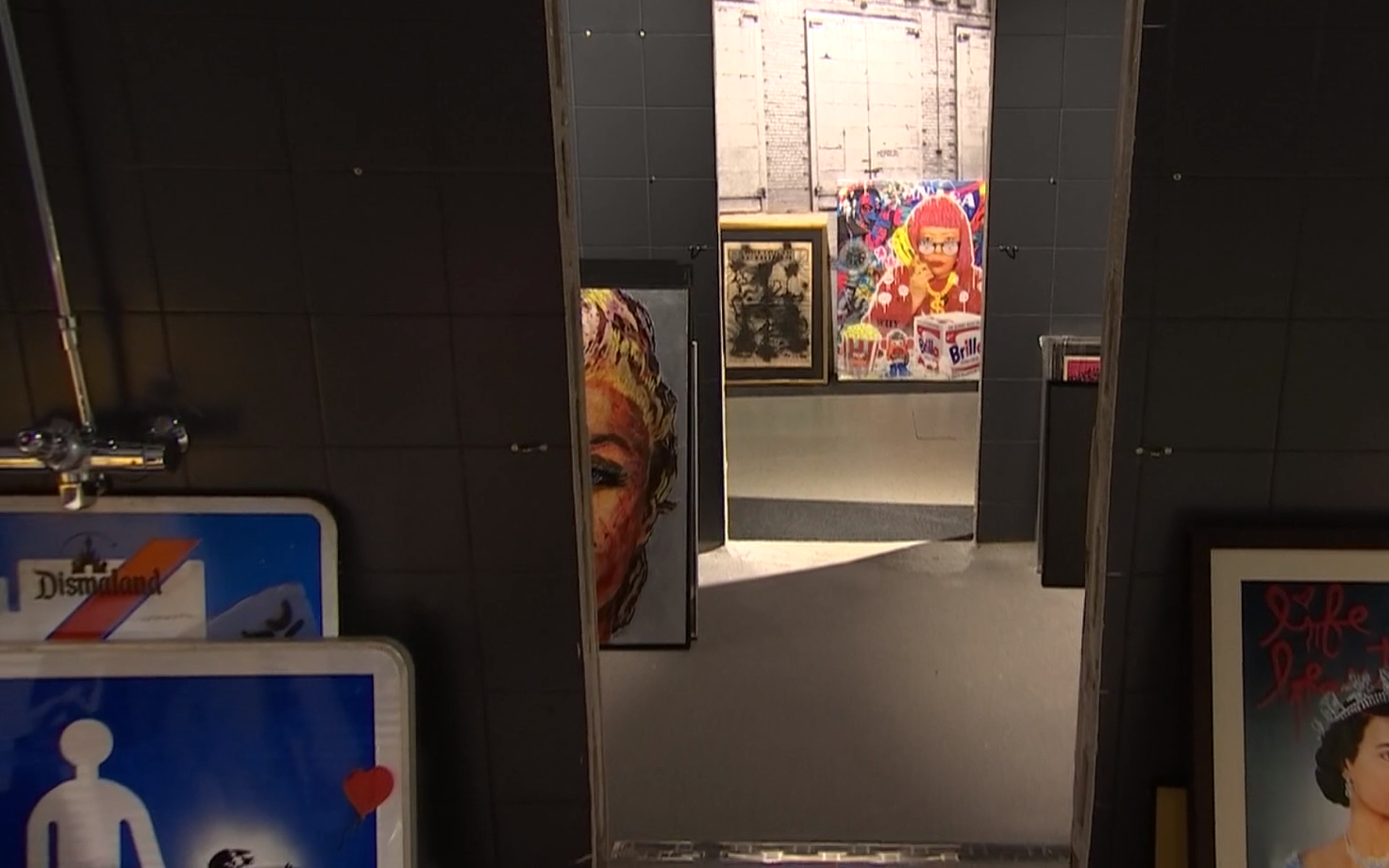
Old hand-scribbled "___ was here" tags are giving way to social media content, prompting Estonian museums to adapt how they present art for Instagram and TikTok audiences.
Like stores swapping out their seasonal displays, museums rearrange their exhibitions several times a year to keep visitors engaged. At the Pop and Contemporary Art Museum (PoCo) in Tallinn, the focus last week was on setting up its fall display.
Owner Linnar Viik said the museum tracks visitor movements and social media posts to identify works that are getting overlooked.
"We have to do something to draw more attention to them, move them around," he said.
The art museum, which boasts works by big names including Andy Warhol, Banksy, Roy Lichtenstein and Keith Haring, also knows how long visitors typically stay: about 45 minutes, or roughly the length of a Netflix episode. But individual works get much less attention.
"Before the COVID pandemic, people spent 20 to 25 seconds looking at a work that caught their attention in a museum," Viik said. "Now that's dropped to about ten to 15 seconds."
That makes it important for museums to create moments visitors want to share online.
Instagrammable stops
PoCo has five or six deliberately "Instagrammable" spots located throughout, including by Estonian street artist Edward von Lõngus' "Dance of Death," which has generated tens of thousands of photos taken from the same angle.
While traditional media coverage in Finland or Sweden can bring in more visitors than social media, Viik said students curating new exhibitions are also tasked with making them easy to share online.
Curator Karl Markus Mäekivi said a recognizable name or an unusual message can prompt people to snap pictures, but the right lighting and deliberate placement can also encourage visitors to stop and take a look.
State museums take a somewhat different approach, putting less emphasis on social media and more on helping people slow down and spend time with art.
Take the pressure off
At the Adamson-Eric Museum in Tallinn, visitors can grab a worksheet designed to encourage slower, more deliberate viewing.
"Visitors can choose one work that speaks to them for whatever reason and then use these questions to notice details they might otherwise miss in a hurry," curator Karin Vicente said.
Vicente said enjoying art doesn't require a scholarly approach so much as the confidence to take your time.
"It's okay not to look at everything or feel like you have to get through the whole building in half an hour," she said, "I look at what I like. Then the pressure comes off, and there's no need to hurry anymore."
--
Editor: Aleksander Krjukov, Aili Vahtla


