Nearly 3 in 4 Estonian educators have experienced bullying
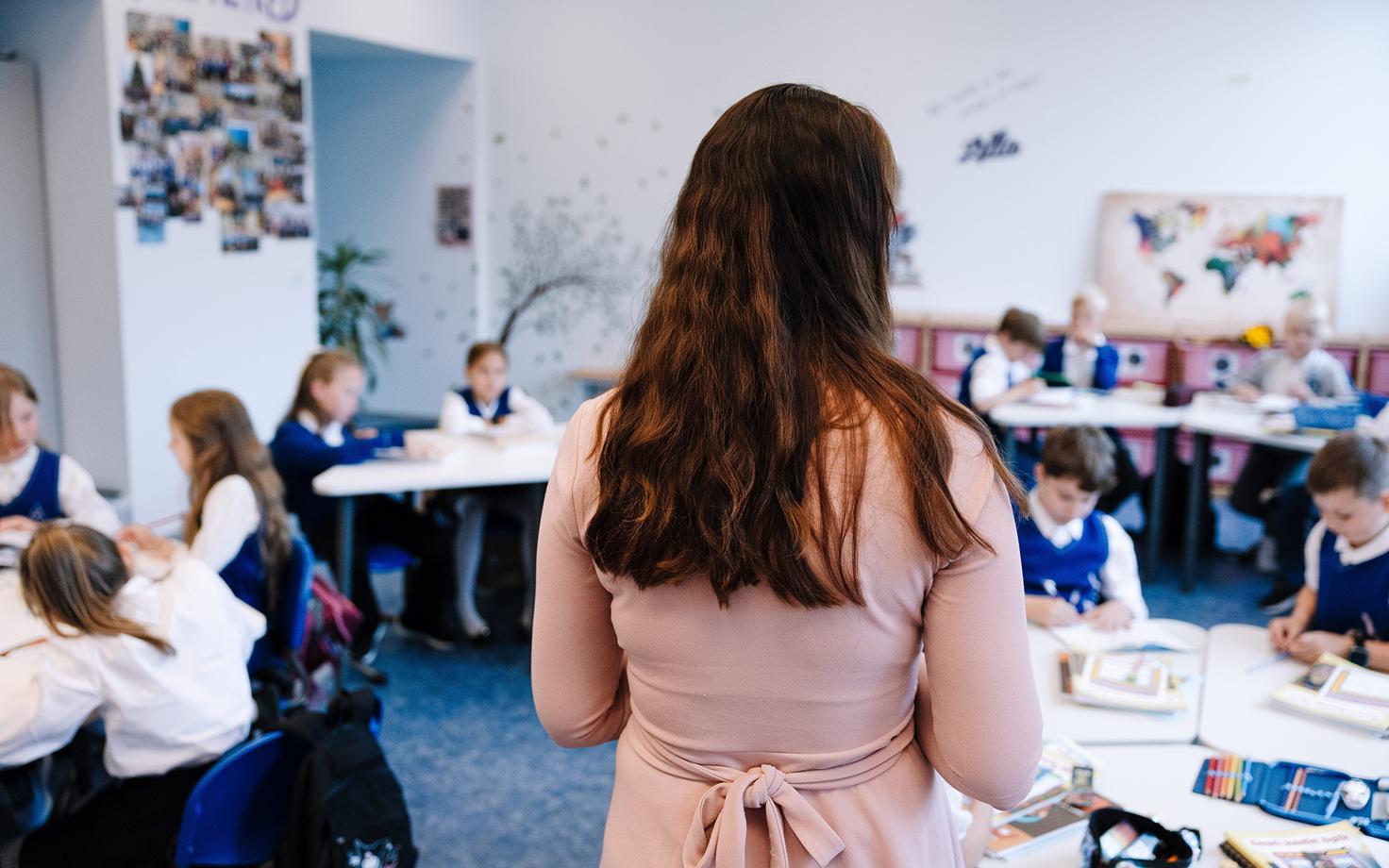
A University of Tartu study found nearly 3 in 4 educators have experienced bullying at some point in life, affecting how they perceive their workplace.
Researchers at the university's Institute of Education examined whether bullying experiences affect how educators perceive psychosocial factors at their current workplaces.
"We wanted to see how experiences with bullying affect how educators perceive psychosocial factors at their current workplace," said Minni Aia-Utsal, one of the study's authors.
The study revealed that nearly three-quarters of respondents had experienced bullying at some point, either as a target or perpetrator.
The researchers used the short version of the Copenhagen Psychosocial Questionnaire (COPSOQ-II) to assess four aspects of the work environment: predictability, role clarity, leadership quality and social support.
'Bullying doesn't happen in a vacuum'
Aia-Utsal said they focused on workplace relationships and leadership because bullying is also a social phenomenon involving relationships.
"Bullying requires social relationships; it doesn't happen in a vacuum," she explained. The study thus examined how educators who have experienced bullying perceive workplace relationships.
She added that all four dimensions relate to workplace relationships and leadership, noting that social support, for example, can be emotional or practical, or involve sharing information to help employees feel they're part of the team.
Because the study relied on a questionnaire, its findings reflect respondents' subjective perceptions of their work environment.
Educators with no bullying experience gave the highest ratings across all four areas measured. The lowest ratings, meanwhile, came from those who had been bullied both at school and at work, suggesting that such experiences can have a lasting negative effect on how educators perceive workplace relationships and leadership.
Those whose bullying experiences were limited to school, however, gave more positive ratings. Aia-Utsal said this suggests a supportive workplace can help people overcome earlier negative experiences.
Bullying prevention for students and educators
School employees can be bullied by parents, colleagues or students, Aia-Utsal said, making it important for school leaders to prevent bullying and support not just students, but also teachers and other staff. Schools should also have systems in place to help educators who have experienced bullying.
"The most important thing is that a teacher or support specialist doesn't have to face the problem on their own," the co-author said. "There needs to be support from the organization and clear systems in place."
Co-authored by Aia-Utsal and Kristi Kõiv, the study was published in the Open Journal of Social Sciences (JSS) last month.
--
Editor: Märten Hallismaa, Aili Vahtla


