Tartu researchers develop blood test to identify genetic causes of pregnancy loss
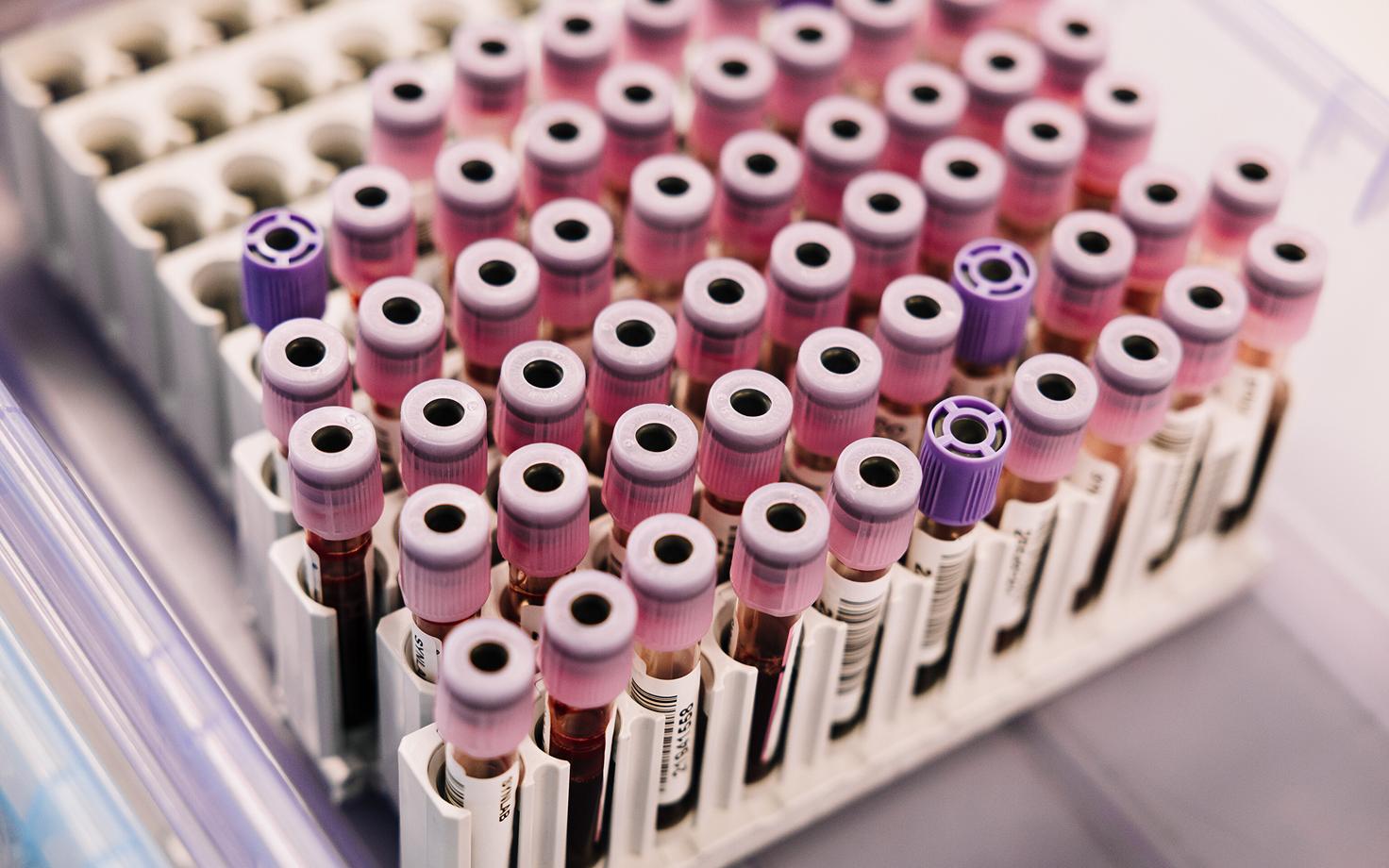
Researchers at the University of Tartu's Institute of Molecular and Cell Biology are testing a solution that makes it possible to determine the cause of pregnancy loss based on a blood test.
Those involved are hopeful that the method will reach practice already in the coming years.
Approximately two‑thirds of pregnancies that end in the first trimester are caused by chromosomal errors. To determine the exact genetic cause of the loss, medical researchers have until now analyzed removed abortive tissue, that is, the product of conception.
However, this is emotionally and physically exhausting for both the patient and the analyst, expensive, and often technically difficult, because the laboratory sample may contain the woman's own cells, leaving the exact answer unattainable.
According to the study's lead, Professor Ants Kurg, the new method is based on cell‑free fetal DNA that enters the mother's bloodstream during pregnancy. "It is an interesting phenomenon that when a woman is expecting a child, fetal DNA also reaches her bloodstream. There is very little of it, but it can still be analyzed. This has laid the foundation for an entirely new application called non‑invasive prenatal testing," Kurg explained.
The blood test is made difficult by the fact that cell‑free fetal DNA is extremely scarce in the mother's blood, and researchers must find it against the background of the mother's own DNA. The pilot project, which ended in August, demonstrated that the blood‑based method is sufficiently accurate and that the results largely match tissue analyses.
A clear answer brings peace of mind
A precise genetic cause is important for families who have experienced pregnancy loss, primarily to restore peace of mind. "This is always the main question when a pregnancy loss occurs: what did I do wrong and why did this happen to me?" Kurg said.
If the blood test identifies a cytogenetic cause — a random chromosomal error — it relieves parents of unjustified guilt. "For doctors, it is also important that if a cytogenetic cause can be shown, there is a fairly high likelihood that when planning a new child, the next pregnancy will go well. But if no cytogenetic cause is found, additional investigations are needed, and these are much more complex," the professor added.
A three-year research project
To bring the blood‑based analysis into everyday medical practice, researchers together with the University of Tartu Women's Clinic and the health‑technology company Celvia CC are launching a large applied research project supported by Estonian Business and Innovation Agency (EIS).
The three‑year project begins this autumn. "There is a whole series of questions we want to continue working on. For example, how early in pregnancy the analysis can be performed, and how maternal comorbidities and medications affect it. Another separate question is missed miscarriage — within what time frame after a missed miscarriage it is still possible to determine the cause based on cell‑free DNA," Kurg explained.
--
Editor: Argo Ideon



