UK nuclear umbrella comments prompt Estonia defense debate
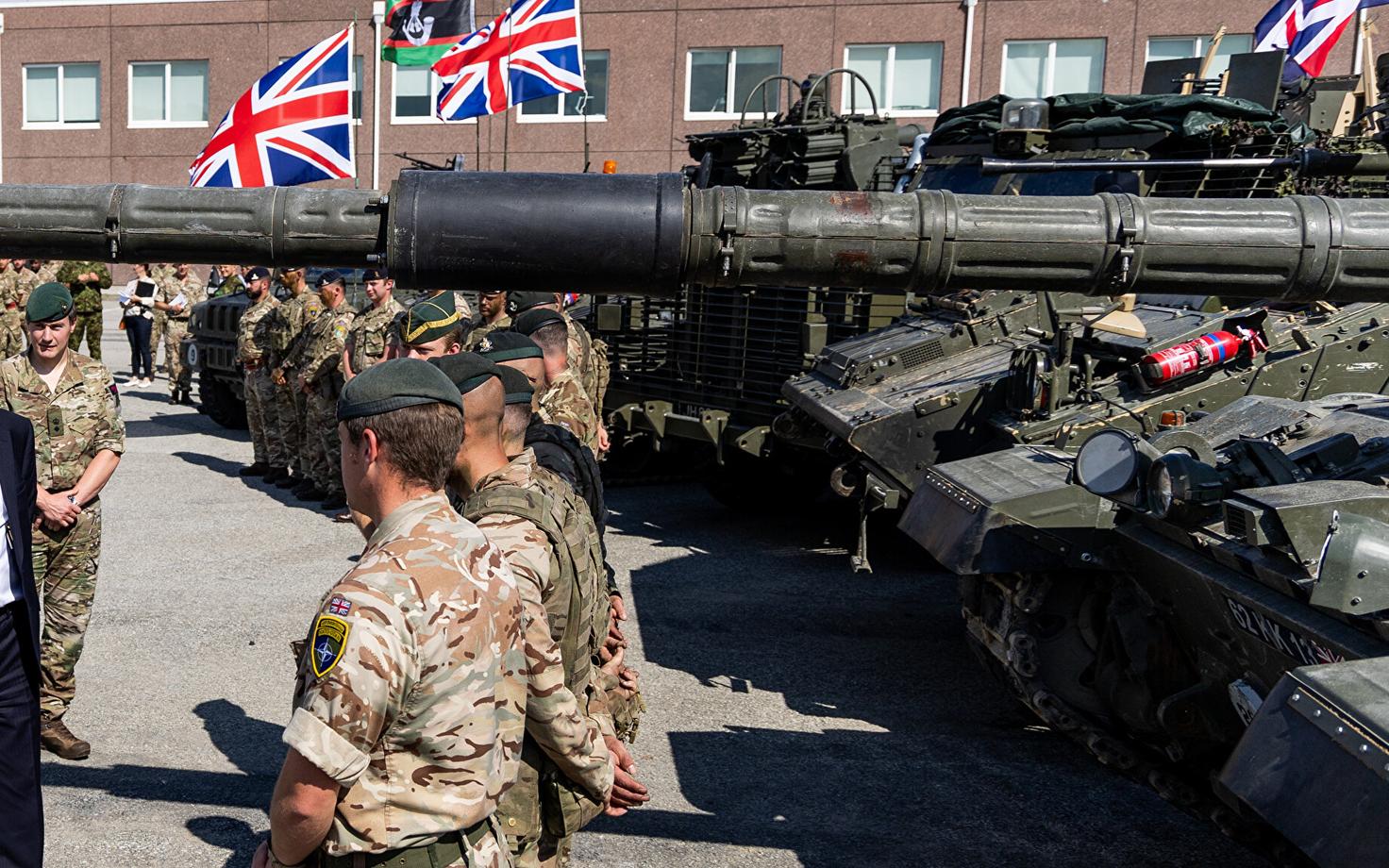
A remark by the head of the Royal Navy about the UK's nuclear umbrella for Joint Expeditionary Force (JEF) partners has prompted debate in Estonia over whether it can deliver on regional defense.
Experts say no separate guarantee is being offered, and that conventional capability — not nuclear reassurance — is what matters most for Estonia and the region.
The JEF is a UK-led defense cooperation framework covering the Nordic and Baltic countries, one of its main aims being to strengthen deterrence in the Baltic Sea region. The jointly developed crisis-response measures complement NATO, and the Joint Expeditionary Force is intended to be the first responder in the event of a threat. The UK is the sole nuclear power in the 10-member state JEF.
Royal Marines General Gwyn Jenkins, who is First Sea Lord and Chief of the Naval Staff, told "Aktuaalne kaamera": "The Baltic Sea is vital to the UK's security – I draw no distinction between our own territorial waters in the Atlantic or in the North Sea, and in the Baltic; we are all part of the same operational space."
Jenkins recently told Finnish paper Iltalehti that the JEF also offers partner countries its so-called nuclear umbrella. According to security expert Meelis Oidsalu, this does not in fact mean that any separate guarantee is being offered, while the British are not changing their existing nuclear policy.
"There is no actual need for any of that, as their longstanding doctrine provides for the protection of NATO allies, and that public doctrine does not say that this has to be an Article 5 operation. So perhaps we were simply being reminded of something important," Oidsalu said.
Oidsalu added that during periods of attritional warfare or a limited war of conquest, the threshold for using nuclear weapons is very high, hence why the UK should actually focus more on developing conventional capabilities.
"They recently held a defense review, and it found that an enormously large sum of money ultimately goes on funding a questionable nuclear capability, while funding for the army and, to some extent, naval capabilities has been somewhat poor. They have already taken some steps in drone warfare, but not as much as they could," Oidsalu continued.
According to Oidsalu, this also raises the question of how capable the British will be in the future of fulfilling the role as regional military leader.
Reserve Maj. Gen. Neeme Väli likewise said the UK has been constantly plagued by a lack of resources on military matters, and that this had impacted on deployments to Estonia.
"For example, the UK's plans concerning the deployment of a brigade to Estonia changed only a few months ago. Initially, there was talk of an armored brigade, but now entirely different capabilities are being discussed. I personally think this statement is also connected to the fact that there simply are not as many resources as originally planned," Väli told "Aktuaalne kaamera."
Former defense minister Hanno Pevkur (Reform) was less skeptical, saying: "I would by no means underestimate British capabilities. It is in our interests that they not only say these things but also act on them. And I believe they will."
There are currently 900 British troops in Estonia. The new contingent arriving in Estonia next year will be about 300 personnel larger than the current one. The UK's land deployment to Estonia has been its largest worldwide for several years now.
Estonia is also in talks with France, also a nuclear power but not part of JEF, to join its enhanced nuclear deterrence initiative, Prime Minister Kristen Michal said last month.
--
Follow ERR News on Facebook and Twitter and never miss an update!
Editor: Andrew Whyte, Marko Tooming
Source: 'Aktuaalne kaamera,' reporter Maria-Ann Rohemäe.


