Drivers urged to be cautious of wildlife on the roads as nights draw in
At a time of year when the shortening daylight hours can make driving more hazardous, road users should exercise due care the Transport Board (Transpordiamet) announced.
Drivers should keep in mind wildlife always has the right of way, the authority added, noting fall is also a time of increased wildlife activity and is mating season for some species,
"During periods of increased activity, situations in which wild animals venture onto roads get more frequent, increasing the risk of collisions between vehicles and wildlife. It is consequently important that we as road users remain especially vigilant and take note of wild animals approaching the road. It is also worth keeping in mind that if one wild animal crosses the road, others may follow," said Villu Lükk, head of the board's environmental management unit.
"Wild animals often have established routes they follow, and many of these traverse roadways, hence it being important to pay heed to heed warning signs and cut speeds when necessary," Lükk went on.
"The autumn mating season of moose and red deer increases the movement of wild animals and so also the risk of them getting on the road and getting involved in collisions. If you spot an animal from a distance, you should slow down, brake smoothly and switch your hazard lights on. You should not sound the car horn or try to maneuver around the animal. When startled, a wild animal may behave unpredictably, including turning back across the road to return the way it came," noted Urmas Salmu, project manager of the national hunting society's "Wildlife on Roads" project.
Last year, the Emergency Response Center registered 3,212 reports related to wildlife accidents, a fall on the 3,779 cases reported in 2024.
Road users in Estonia are also warned about stretches of road with a particularly high risk of wildlife by moose warning signs, which drivers should heed and take into account when traveling through the areas they cover. These signs are installed in places where traffic accidents involving wild animals have been known to happen in the past, or where animals have been observed entering the road more frequently.
Since local hunting associations re responsible for removing injured and dead large game animals from roads and therefore know the problem areas well, warning signs are often installed in locations at their proposal-
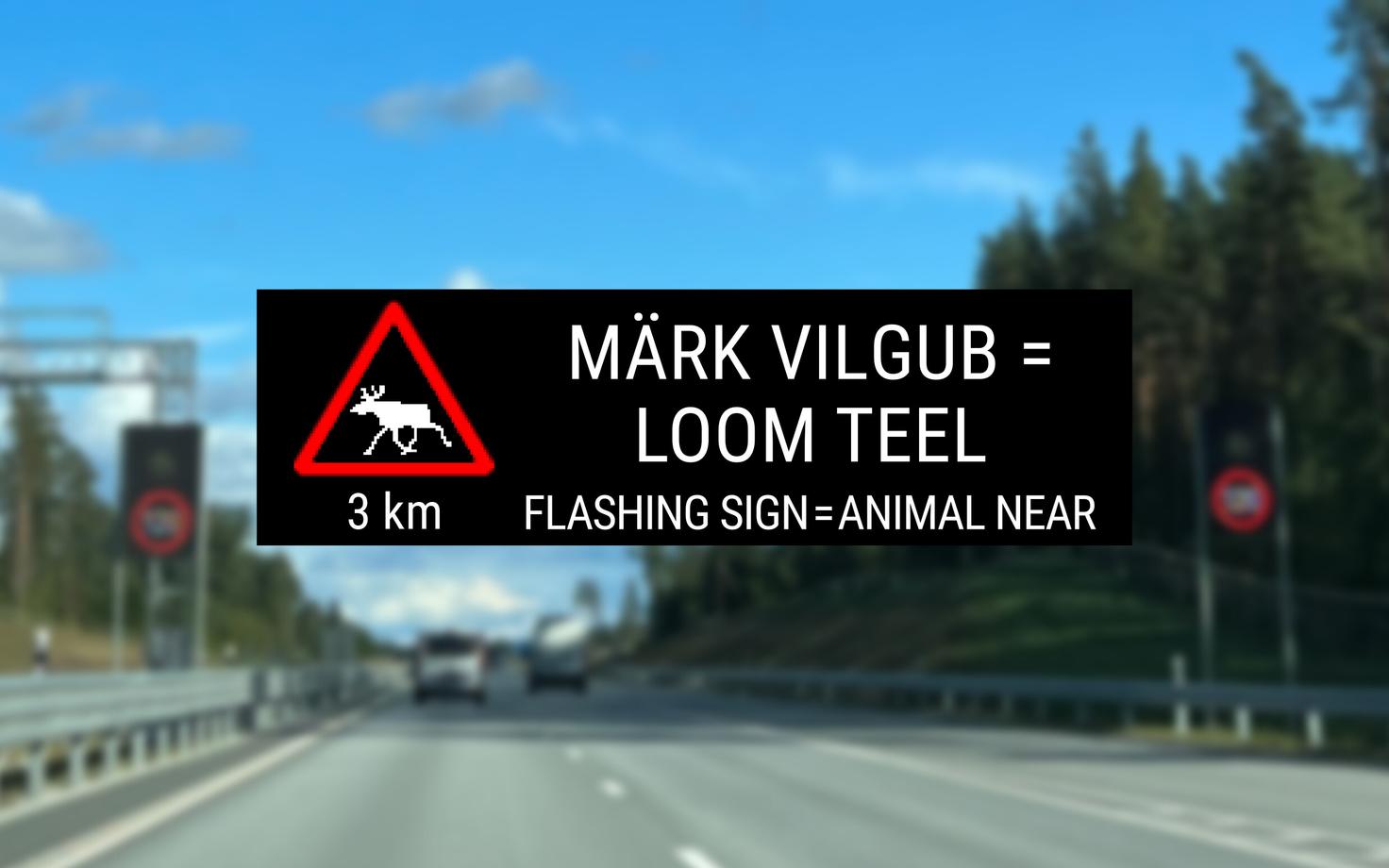
Starting this week, the Transport Administration has also begun displaying LED-tupe warnings (pictured) after dark on variable-message information boards in areas where wild animals frequently cross roads.
A detailed heat map showing wildlife accident locations is available here.
Another map layer showing large game animals killed on roads last year, as recorded by hunters, is available here. The map provides an overview of the stretches of road with the biggest incidences of accidents involving wildlife.
--
Follow ERR News on Facebook and Twitter and never miss an update!
Editor: Andrew Whyte


