VKG pushes back cellulose plant timeline as search for investors continues
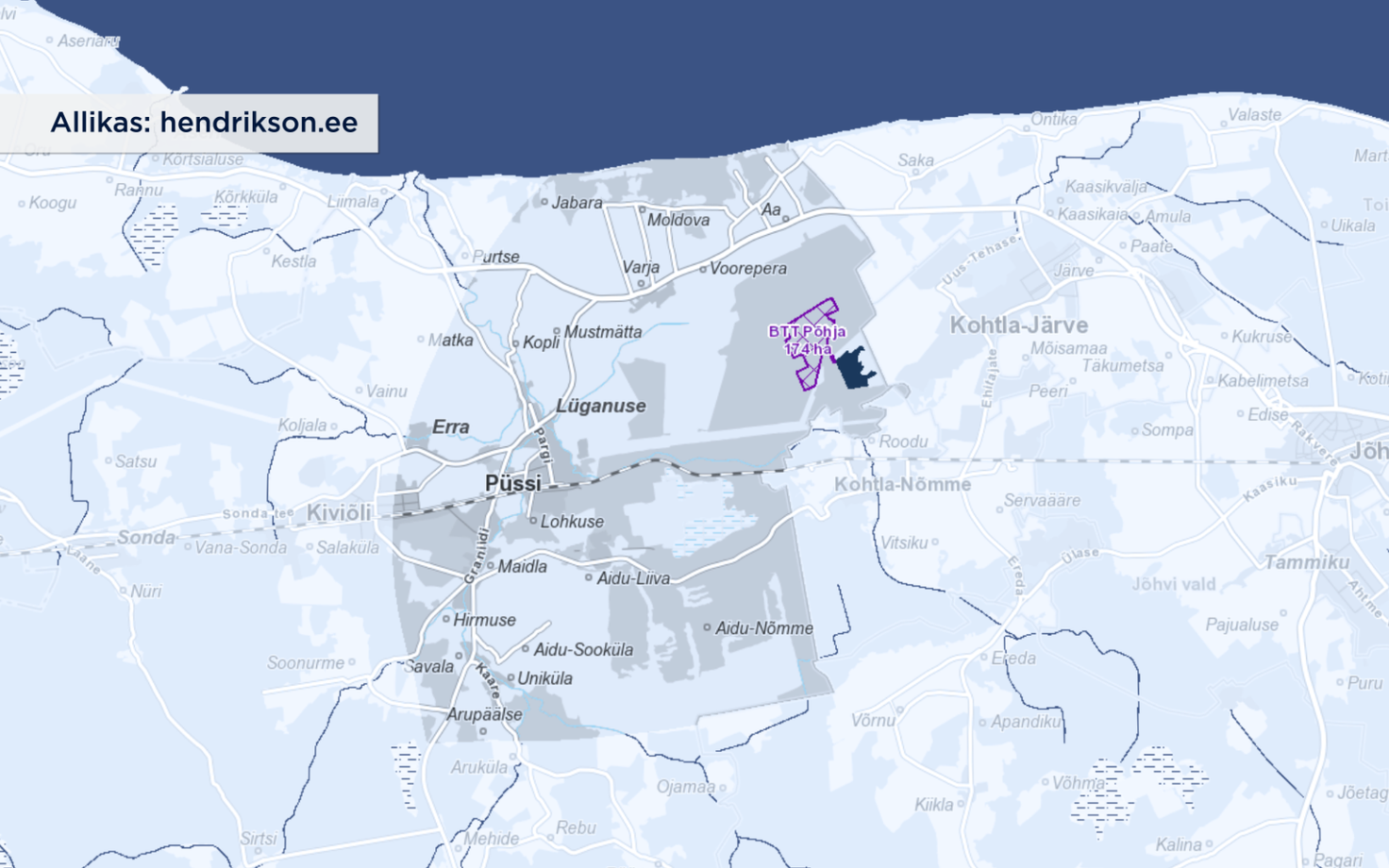
The company has yet to find a way to build its bioproducts plant in Europe at a low enough cost to compete on the global market.
When VKG unveiled plans to build a cellulose plant in summer 2021, the company hoped to open the facility in Ida-Viru County five years later. Instead of opening the plant, however, the company is still searching for potential investors this year.
This year, VKG also relinquished a 10-year long-term contract with the State Forest Management Center (RMK) for the purchase of raw materials.
According to VKG CEO Ahti Asmann, the company is looking for ways to make the project more profitable.
"The situation with the bioproducts plant is complicated. We have indeed been in talks with investors and we have come to understand that using a conventional European approach and European prices may make it difficult to compete globally," Asmann said.
After the designated spatial plan was established in spring last year, the company's CEO hoped investors could be found within a year. Under current plans, the company aims to reach an investment decision by the first quarter of 2028. If it has not found an investor by then, the company will assess whether it makes sense to proceed with the planned plant in Lüganuse Municipality.
"We are currently looking for a way to structure the project so that it is competitive and so that the investment can be made at a more reasonable cost," Asmann said.
If the company finds an investor by 2028, the plant is currently expected to begin operations in 2030, four years later than originally planned.
The estimated cost of the plant has risen by 50 percent from the original estimate, from €800 million to €1.2 billion. VKG has invested €2 million in the project to date.
VKG plans to use low-value wood at the plant to produce cellulose, dissolving pulp and biochemicals, with end products used in the textile and biochemical industries, as well as in the paint, food and pharmaceutical industries.
As a byproduct, the bioproducts plant would generate 800 gigawatt-hours of electricity per year. That would amount to around 10 percent of Estonia's current annual electricity consumption.
--
Editor: Marcus Turovski


