Kerr Kriisa plea deal caps US fraud sentence at 2 years, lawyers say
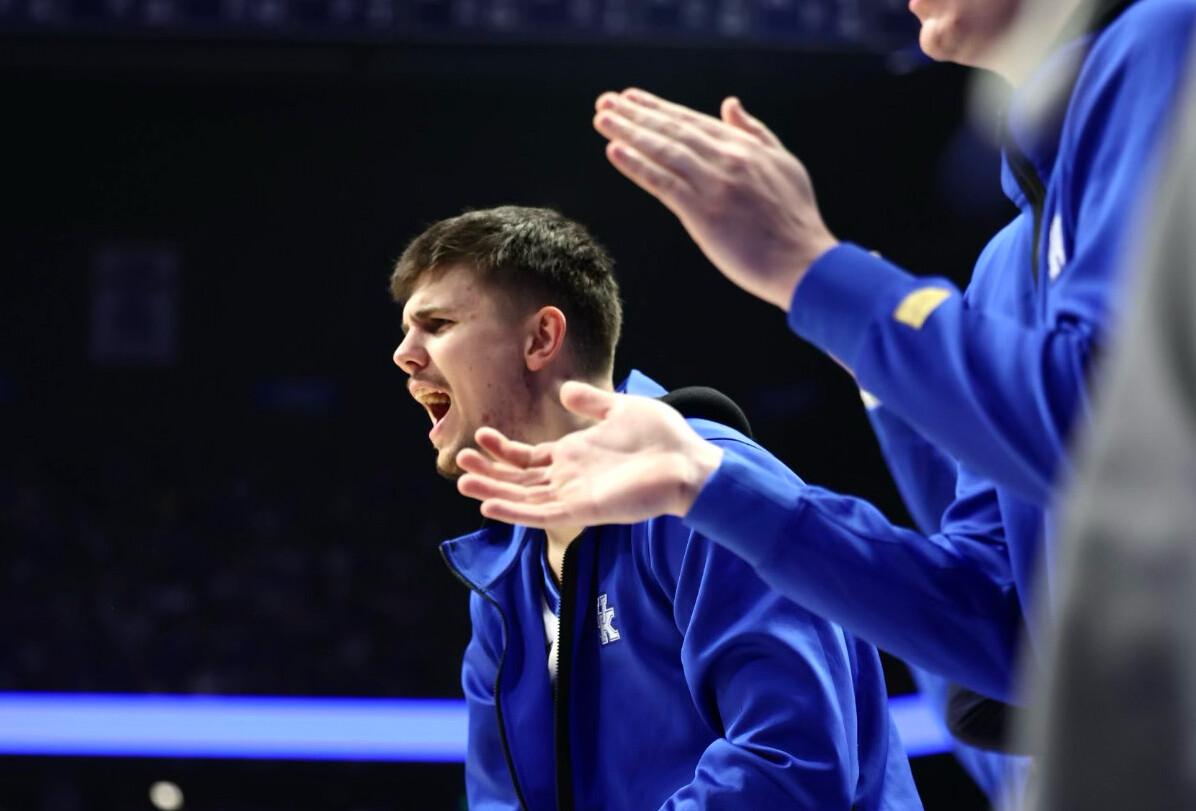
Estonian basketball player Kerr Kriisa's court hearing in the United States is set for December 22, and his lawyers have been negotiating a plea deal for him.
Kriisa, 25, was arrested in the summer and charged with wire fraud stretching into the millions during his time playing US college basketball.
Under a plea agreement, the maximum sentence he can receive is two years, his Estonian lawyers told ERR — compared with the decades-long terms referred to when the case broke in July. Kriisa has admitted one count. If the court approves the deal, the remaining charges will fall away. His lawyers, Kati Reitsak and Tambet Toomela, say they are satisfied with the position and are working to bring him home to Estonia as soon as possible.
Kriisa was arrested in July and charged in connection with a fraud scheme that, according to the original indictment, defrauded victims of more than US$2.2 million. Under the agreement now before the court, the final sum will be determined by the judge. Kriisa has admitted guilt to a total of €9,000.
How is Kerr Kriisa doing at the moment? What is he doing — is he still involved in sport to some degree?
Toomela: Kerr is very much a sportsperson. He trains actively, both basketball and in the gym. He also plays basketball in an amateur league. The rest of the time he is actively working on his defense, together with us and our US colleagues. Generally the local population is very supportive, but of course this is not a pleasant experience for anyone. Kerr and we hope it will be over soon.
Kriisa was charged with five counts of internet fraud and has admitted one. Is this the only case currently pending against him in the US?
Reitsak: First, Kerr Kriisa has not been convicted of anything at this stage. To our knowledge, no other charges have been filed against him.
Please explain this agreement and how it came about.
Toomela: Some nuances need to be kept in mind here. In Estonia we are used to the state bringing charges and the person and their defense being taken through proceedings led by the prosecutor. But in America the system is built somewhat differently. From the moment a formal charge is filed, negotiations almost always begin. They are quite transactional: to summarize briefly what we and our American colleagues have been working on intensively for the last two or three months, it resembles transactional bargaining rather more than establishing what Kerr may have done or not done, the extent of the damage, and what penalty he should serve.
It has been a back-and-forth of several versions of an agreement with the prosecution, where we tried to put Kerr in the best possible position and the prosecution calculated its resources, its workload, and the need to safeguard justice as they saw it. We exchanged three or four versions and finally reached what could be called a balance point. If we were to give our own assessment, we are very satisfied with how we are positioned going into the December 22 hearing.
The initial estimates that went through the Estonian media — 20, 40, 60 years — were relevant in theory, but as a consequence of negotiations, we have reached a point where the maximum sentence the court can impose in December is now two years. That is the absolute maximum. Our work is very intensive now. We are certainly not aiming for two years; we are fighting for something else that would allow Kerr to come home. Again: it is a question of positioning, and we are satisfied with it.
Kriisa admitted one of the five counts but not the other four. What happens to those four? Is this now a plea deal that disposes of these?
Reitsak: Indeed, Kerr Kriisa has agreed to accept guilt on only one count, and it concerns a single request for €9,000. If the agreement reached is confirmed by the court, all the remaining allegations the prosecution may have had against Kerr fall away.
Why did you come down on the side of a plea agreement?
Reitsak: We have really had only one mandate from Kerr from the outset: to bring him home as quickly as possible. The aim is not to go to a foreign legal system demanding rights or justice. We have calculated our risks and opportunities quite precisely. As Tambet said, via negotiations, we tried to reach the point closest to our goal.
Will everything be finally settled on December 22?
Reitsak: It will likely be finally settled.
Two years is the maximum sentence and nothing more can come out of this agreement?
Toomela: No. It is the maximum, it is agreed, the court is bound by it, and Kerr will also have the right to speak at the hearing. The court will make the final decision based on all the materials, arguments and claims.
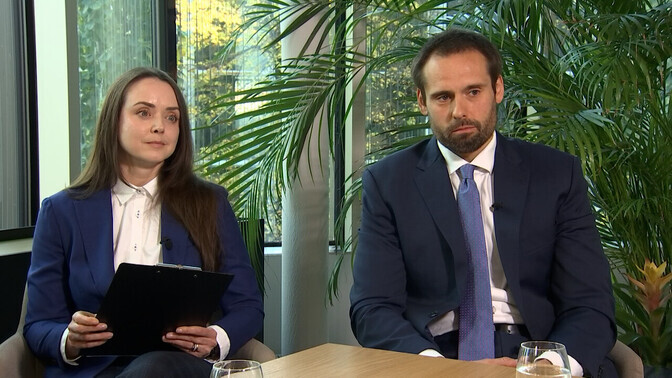
The figure that has been in the media is between $2 and $2.2 million. How large is the sum actually before the court, and will it have to be compensated in any case?
Reitsak: This is the peculiarity of the US system. Unlike in Estonia, the court has considerable discretion in such agreements. At present we can only say that the final sum will become clear in the judgment.
If Kriisa receives a real prison sentence, will it be served in Estonia or the US?
Toomela: First, let me say that our efforts are aimed at Kerr remaining at liberty. Naturally we want to bring him home, whether the sentence is custodial or suspended. There are international conventions to which Estonia and the US are party which allow for transfer regardless of the type of sentence. We are already examining these possibilities and, depending on the judgment, we will certainly try to bring him home.
Will that become clear on December 22 too?
Toomela: It may not become clear by December 22; it may become clear somewhat later, but in any case by sometime early next year.
Kriisa signed a contract with the Tartu basketball club before the season. Did he already know then that an investigation was underway against him, or was he not aware at that point?
Reitsak: It is known from public sources, visible to everyone, that in April 2026 a grand jury decided to charge Kerr. At that time he certainly did not know. He learned of it when he was arrested in July.
How often are you in contact with Kerr? What kind of advice does he receive from people in different fields — psychological, legal — as well as from family and friends?
Reitsak: We are in very close contact with Kerr, almost daily. Given the time difference between us, communication with both Kerr and his US representatives often happens late at night. In addition, Kerr actively attends meetings for gambling addiction treatment in various support groups and is doing everything possible to return to a normal way of life.
What does he himself think of all this? How has he put it to you?
Toomela: Kerr has deliberately opted to remain silent, to protect himself and his family, the people close to him. This is a difficult time. Kerr could have a lot to say. At some point he will open up; when that is, only he will decide. All things considered, his mood is positive, he is not despondent. He very much hopes to play basketball again and for that to happen as soon as possible. This turbulent time in his life has to be lived through. We hope the picture will be clear around Christmas, or at the start of the new year.
Reitsak: I would like to add, ultimately, that as far as we have spoken with Kerr Kriisa, it is clear that he is extremely grateful to those people who have stood by him through this crisis.
Background:
Kriisa signed with Estonian side Tartu Ülikool Maks & Moorits in early July, days before his arrest in the US. The Tartu club said at the time it hoped he could resolve his issues in America. He has not played competitively since. Before heading back to Estonia he had been due to join La Familia, a Kentucky alumni team competing in the summer basketball tournament, but the deal was rescinded by the team following his arrest.
Kriisa's last US team was the Cincinnati Bearcats of the National Collegiate Athletic Association (NCAA), and the charges dated back to his time playing for West Virginia University (2023–2024). Prior to that, Kriisa played three seasons with the University of Arizona, then went to the University of Kentucky Wildcats for the 2024–2025 season, before joining Cincinnati.
Estonian basketball player Kerr Kriisa's court hearing in the United States is set for December 22, and his lawyers have been negotiating a plea deal for him.
--
Follow ERR News on Facebook and Twitter and never miss an update!
Editor: Andrew Whyte, Anders Nõmm


