Ruth Kalda: The value of family doctor lists in the digital age
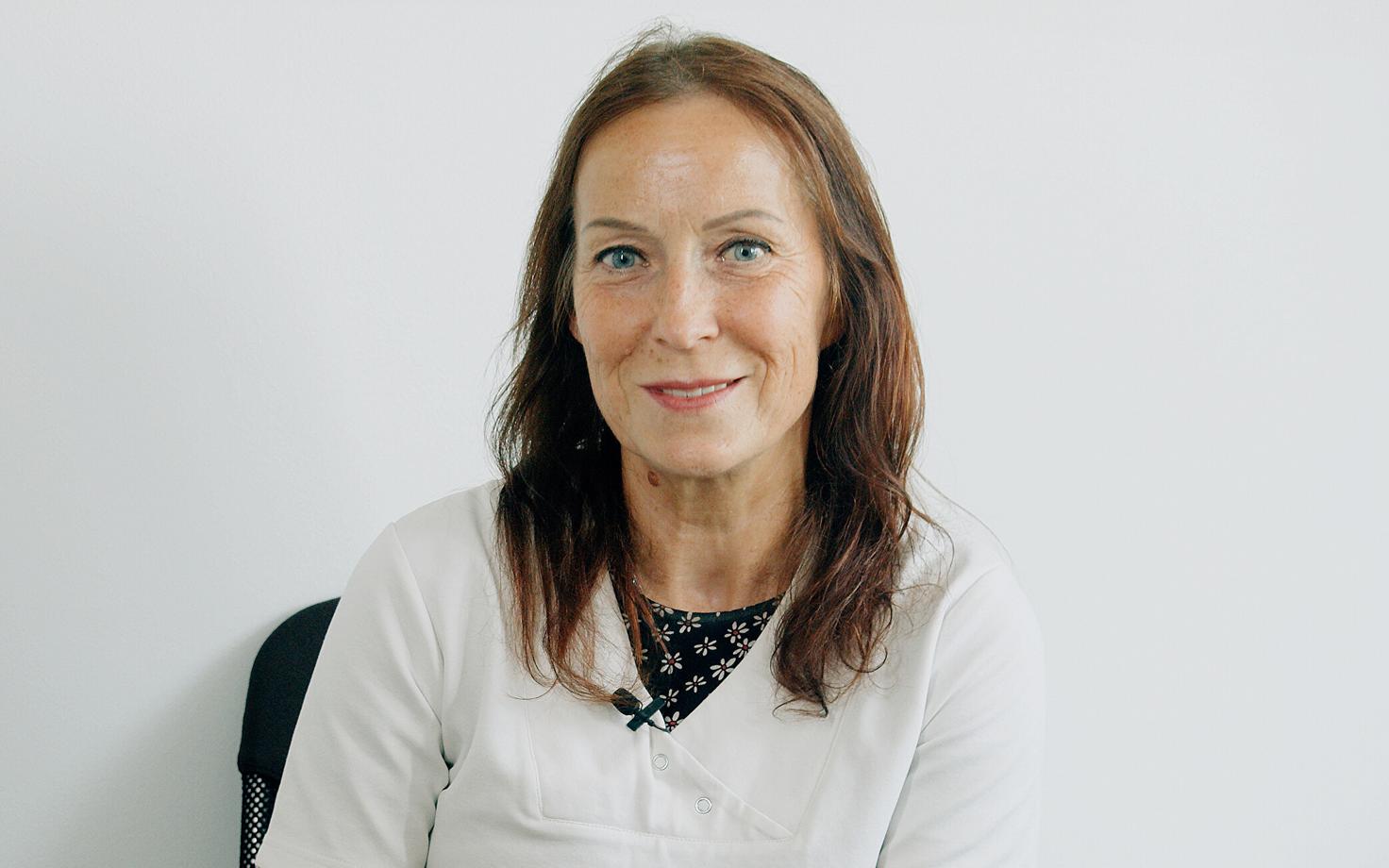
A patient's connection to a family doctor or a stable family doctor team creates responsibility so that care is not limited to a single moment. Someone is accountable for the full treatment path, prevention, follow‑up and combining recommendations from different specialists, Ruth Kalda writes.
If a patient's entire medical history is available in the digital record, does he still need his family doctor? A recent opinion piece used an ER example to illustrate this question: doctors there make quick, weighty decisions about people they have never met. But does that mean long‑term care relationships no longer matter?
Yes, ER experience shows that in a well‑organized system it is possible to make quick and very important decisions without a prior relationship with the patient. But that does not prove that long‑term continuity of care is unnecessary. It proves that episodic emergency care can function episodically. But is knowing a person the same as knowing data?
ER and family doctors solve different types of problems
When a patient goes to the ER, the ER doctor's main question is: "Is there anything life‑threatening in this patient's condition right now, and if so, what must be done immediately?"
A family doctor's question is usually very different: "What does this complaint or change in health mean in the context of this person's usual health, past medical history, medications and life situation, and what should be done over the next months and possibly years?" Here, long‑term care and continuity are central.
The digital record allows quick access to documented events, but that is not the same as knowing the patient. The digital record may not show the person's usual condition, which recommendations he can realistically follow, what he fears, what has been discussed before or which small change in health is unusual for him.
That is why a patient's connection to a family doctor or a stable family doctor team creates responsibility so that care is not limited to a single moment. Someone is accountable for the full treatment path, prevention, follow‑up and combining recommendations from different specialists.
What does the evidence show?
The benefits of continuous family doctor care are not based only on professional conviction. In a 2018 systematic review, 15 of 18 studies found that greater continuity of medical care was linked to lower mortality. The connection was found in different countries and different health systems.1
A Norwegian registry study covering almost the entire population found that people who had been on the same family doctor's list for more than fifteen years had about 25 percent fewer deaths, 28 percent fewer acute hospitalizations and 30 percent less use of emergency services compared with patients whose relationship lasted up to one year. The study also found a pattern: the longer the relationship, the better the outcomes.2
A 2022 Danish population‑based cohort study also found a connection between longer ties to a family doctor center and better patient outcomes. Importantly, the study examined not only continuity with one specific doctor but also the value of being connected to one stable practice.3 Estonia's own data show that contact with the family doctor system reduces the risk of hospitalization.4
At least three forms of continuity of care should be distinguished: informational, organizational and continuity based on long‑term relationships.
Informational continuity means necessary information is available to different providers. Organizational continuity ensures that tests, treatment, follow‑up and consultations form a whole. Long‑term continuity means the patient and his background are known over time by the same doctor or a small stable team.
Artificial intelligence in medicine
The digital record and artificial intelligence (AI) can improve informational continuity, but they do not automatically create organizational continuity or long‑term trust.
In the AI era, having your own family doctor becomes more valuable than before. There is a strong substantive reason for this. AI will make medical information, risk scores, personalized treatment suggestions and digital record summaries increasingly accessible to everyone.
But that makes other abilities more scarce: distinguishing what matters from what does not for the patient, interpreting changes in the context of the patient's life course, combining multiple diseases, different doctors' recommendations and the patient's goals into one plan, noticing what was not documented, taking responsibility for follow‑up and outcomes, helping the patient navigate conflicting AI recommendations.
AI may know a great deal about the patient, but it does not understand what that information means for that patient. The value of a long‑term care relationship is not only in having information but in interpreting it over time and taking responsibility for what happens next.
Current AI systems work best with clearly defined tasks. A patient's health, however, is a long‑term journey. No single consultation may be decisive, but its meaning may emerge only through continuous understanding of symptoms, behavior, treatment response and life situation.
In conclusion
The fact that the ER can make quick, good decisions about a patient does not make family doctor continuity unnecessary. The ER handles one critical episode; the family doctor monitors a person's health over time.
The digital record and AI can give doctors more information, but they do not replace knowing how a disease progresses, understanding a patient's values, coordinating treatment or taking responsibility for follow‑up. A strong health system needs excellent episodic emergency decision‑making and excellent long‑term responsibility. Success in one does not prove the other is unnecessary.
--
Editor: Kaupo Meiel, Argo Ideon


