Estonia's foreign worker quota to be set at 2,500 in 2027
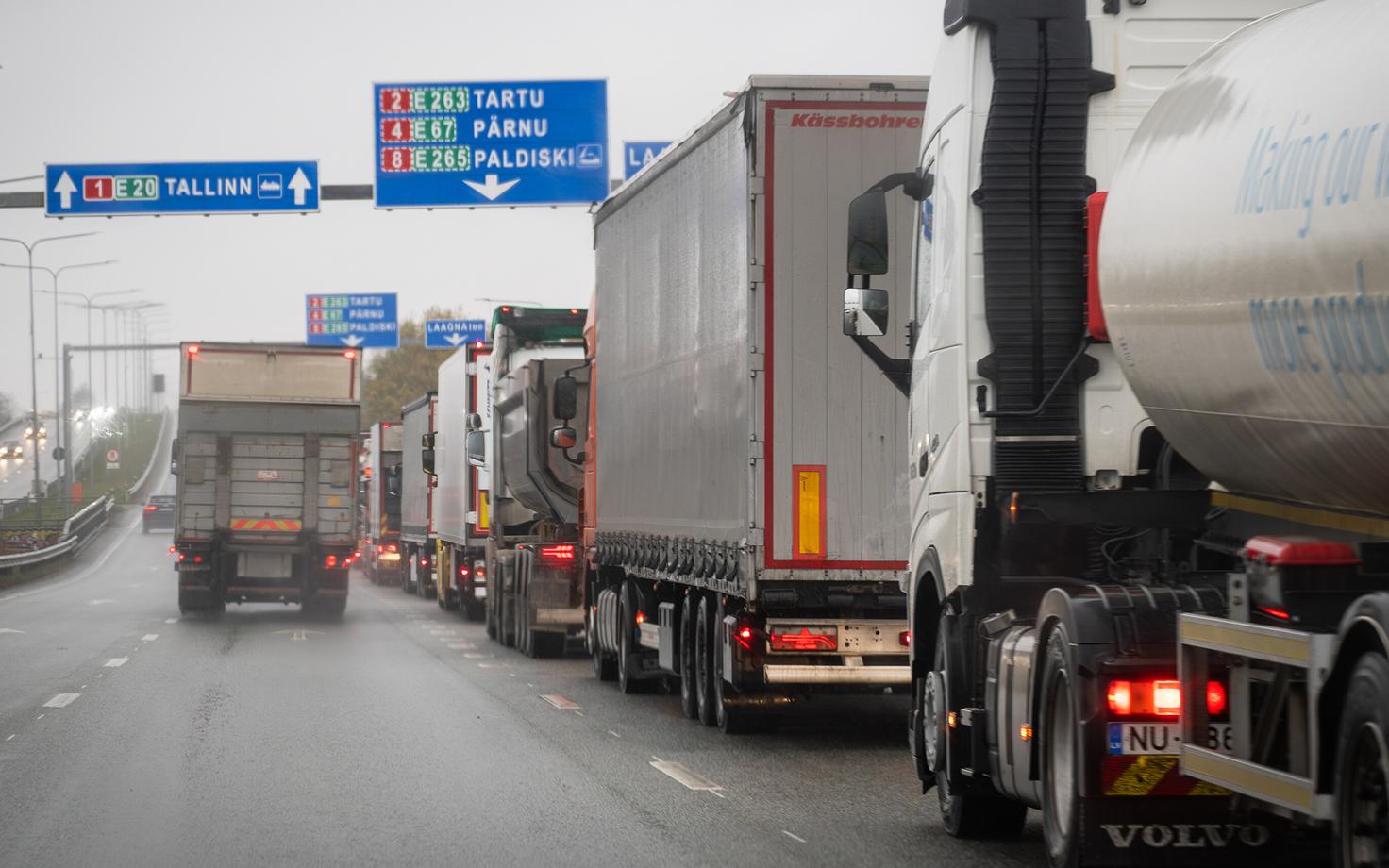
Estonia's immigration quota for skilled labor will be set at 2,569 people next year, according to legislation drafted by the Ministry of the Interior. Sectors with a shortage of workers include manufacturing, wood processing, and transport.
New amendments to the Aliens Act will enter into force in 2027, lifting the immigration quota limit in times of economic growth and extending residency permits for foreign workers in sectors struggling to find skilled workers.
The aim is to alleviate labor shortages while at the same time mitigating security risks.
A temporary residence permit may be granted for up to five years if the employer's main area of activity is included in the list of sectors facing labor shortages drawn up by the government.
This list includes: manufacturing of electronic and electrical equipment; manufacturing of motor vehicles, trailers, semi-trailers and other transport equipment; manufacturing of machinery and equipment; transportation and storage; manufacturing of chemicals, chemical products and pharmaceuticals; manufacturing of paper products; manufacturing of construction materials; wood processing; textile manufacturing; manufacturing of metals and metal products; manufacturing of rubber and plastic products; and repair and installation of machinery and equipment.
The number of temporary residence permits issued will also rise to 0.2 percent of Estonia's permanent population if the economy is growing. It will stay at 0.1 percent of the population in other circumstances.
The Ministry of Finance's latest published economic forecast shows that real GDP growth this year is 2.5 percent. This means up to 2,569 temporary residence permits can be issued.
Working-age population is declining
The draft amendment states that lifting the cap on foreign workers is justified when the conditions are favorable.
"Due to demographic changes, Estonia's labor supply is unable to meet companies' growing demand for qualified workers: the working-age population is declining, more people are leaving the labor market than entering it, and the shortage of skilled workers is worsening in several sectors important to the economy," the explanatory memorandum states.
To reduce the shortage, investments are being made in automation, education and retraining, but it is still difficult to find new workers.
"Therefore, a more flexible opportunity is being created for sectors facing labor shortages to recruit the necessary foreign workers, while maintaining the salary requirement and the limit on the number of residence permits in order to protect the Estonian labor market and prevent large-scale immigration of cheap labor," the draft explains.
Three criteria were used as the basis for compiling the labor shortages list: the OSKA labor demand forecast, the sector's share of exports in sales revenue, and the sector's average annual gross salary.
The list is topped by electronic and electrical equipment manufacturing, followed by the manufacturing of motor vehicles, trailers and other transport equipment, and the manufacturing of machinery and equipment.
The energy sector has been excluded from the list. Although it is strategically important to Estonia, employment in the sector entails heightened security risks.
"Considering the sector's role in ensuring the continuity of vital services and the country's national security interests, it is not justified to apply additional exemptions to the recruitment of foreign workers in this sector," the memorandum states.
There is also a shortage of IT specialists, but these workers are already exempt from the quota.
Minister of Interior Igor Taro (Eesti 200) has sent the draft regulation to other ministries and interest groups for approval, and they have until November 13 to submit their opinions.
--
Follow ERR News on Facebook and Twitter and never miss an update!
Editor: Helen Wright, Karin Koppel


