Migratory birds sticking around in Estonia as fall weather remains mild
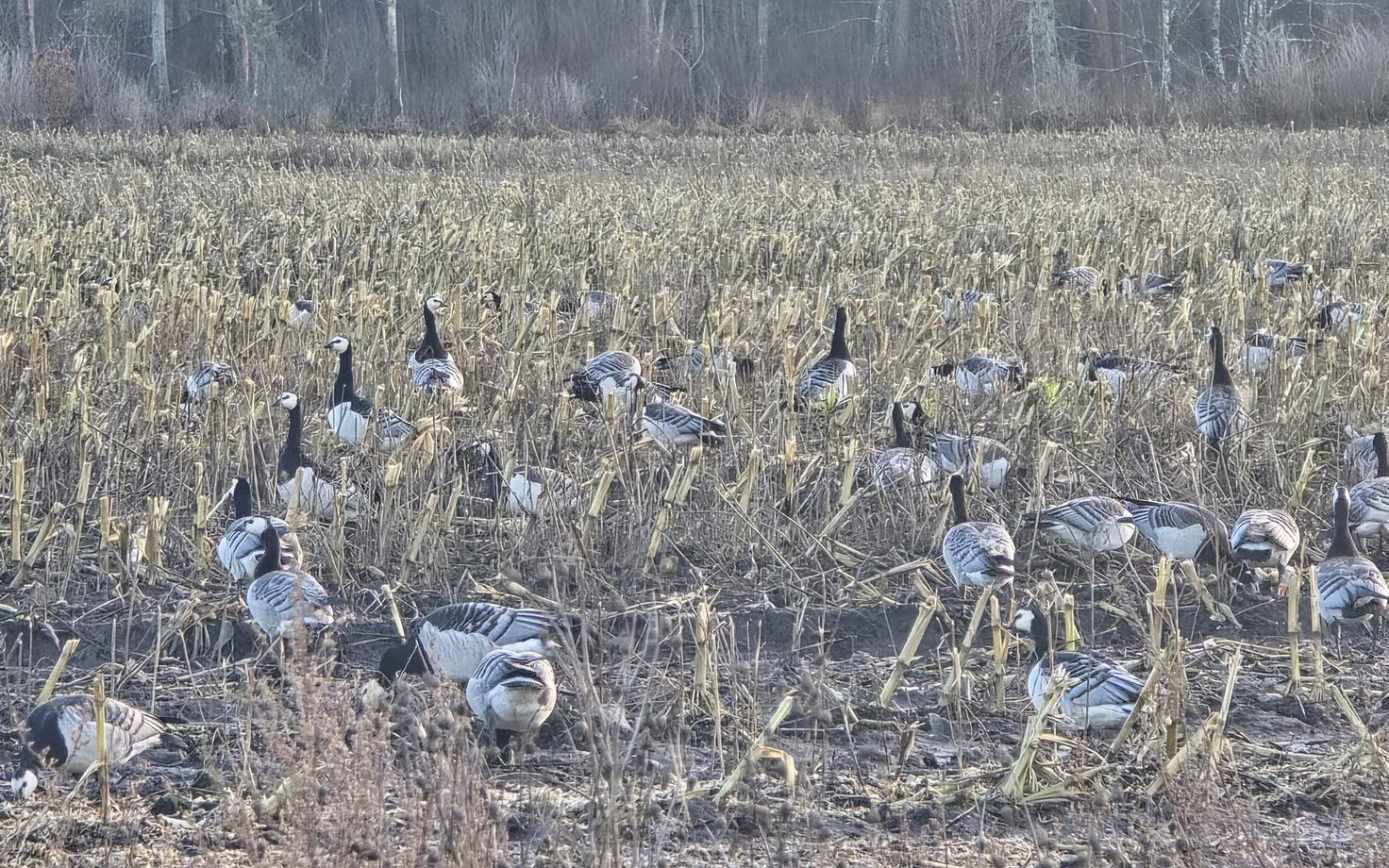
Some migratory birds are staying in Estonia rather than heading south this fall, as mild weather and plentiful food allow them to delay or skip their usual migration.
Although most migratory birds should be long gone by now, northern lapwings and common starlings can still be spotted in fields across Estonia.
"It's still quite common to see lapwings in fields and starlings here and there that would normally have headed to Western Europe or at least a little farther south by now," said bird ecologist Marko Mägi. "But with a warm fall like this, they can still feel quite comfortable in Estonia."
Pille Alama-Pajur, a volunteer with the Estonian Wildlife Center (EMÜ), said whooper swans, common cranes and white storks are also still being spotted. Some birds that have missed the migration have already been brought to volunteers for help.
Two storks have already arrived in Avinurme, Jõgeva County, and more may follow, as others have been spotted feeding in nearby fields. Alama-Pajur expects more to arrive in the coming weeks, with numbers often increasing as winter arrives.
"Late December and January are usually the busiest times, when they grow weaker and start seeking human help," she explained.
Mägi said Estonia could see more bird species begin spending the entire winter here. While some species may survive by adapting to local conditions, for others, staying in Estonia for the winter can prove fatal.
Big risk, big payoff
Last year, several storks rescued by volunteers had already gotten so cold that ice had formed along their wings, rendering them unable to fly, recalled EMÜ board member Virge Võsujalg.
"But there have been cases in Pärnu where they actually took up residence at landfills," she continued. "I think a lot of people were surprised by how they managed to survive and get by like that."
Those that do make it through the winter, however, may have the advantage come spring.
"They can start breeding earlier, and choose better nesting sites," Mägi said. "So sometimes the risk may be worth taking."
--
Editor: Aleksander Krjukov, Aili Vahtla


