Researcher: Russia controlling the Americans in the Ukraine peace process
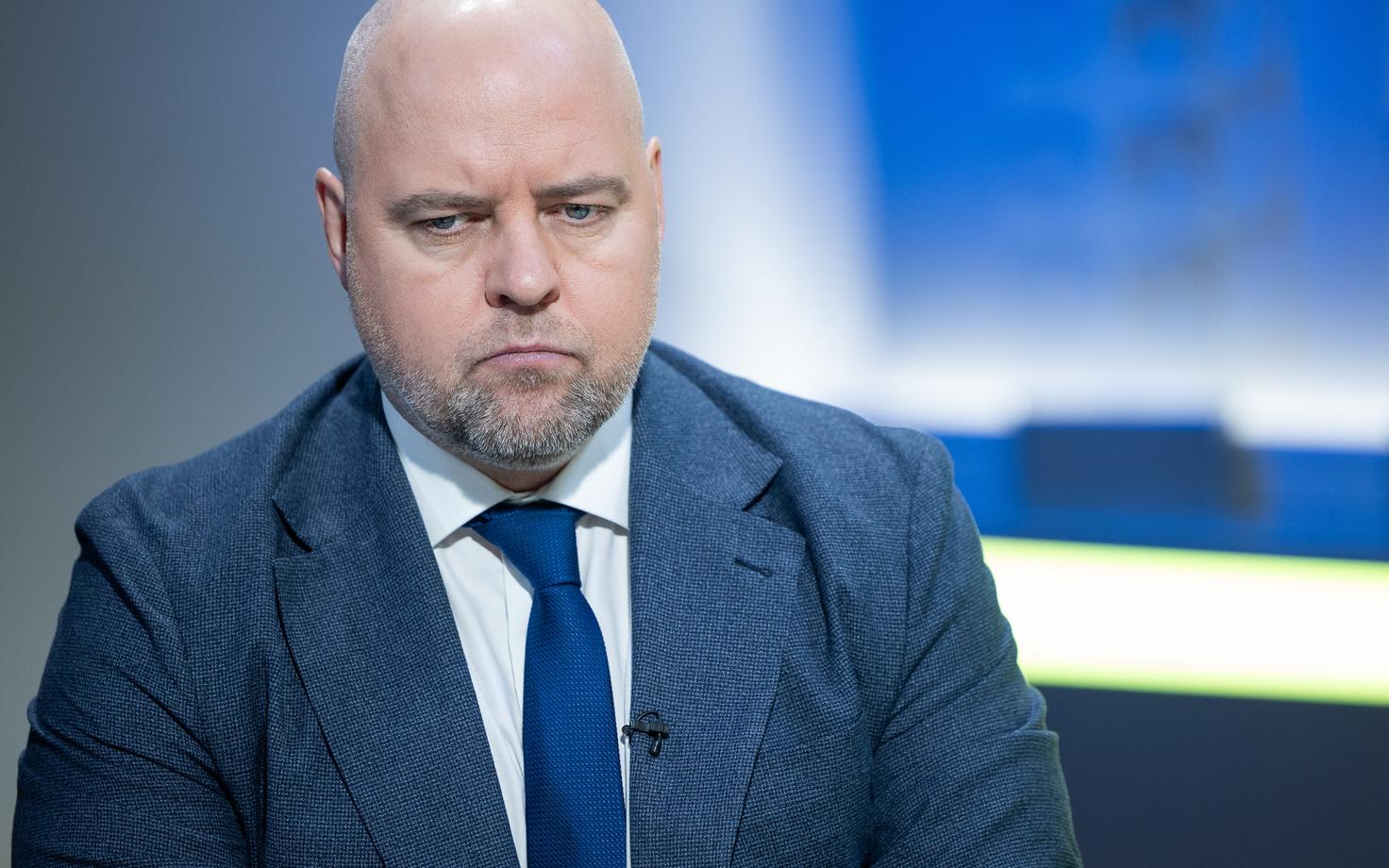
Russia is calling the shots for the Americans in the Ukraine peace process, with Washington's desire to establish business ties with Moscow contributing to the situation, ICDS research fellow Marek Kohv said.
"Russia is currently calling the shots for the Americans in the Ukraine peace process. In that sense, it is very strange to see the United States effectively acting as an intermediary for the very same demands Russia made in 2021, before launching its full-scale invasion," Kohv said.
"Secondly, I don't think it is really appropriate to call this a peace process at all. In reality, the Americans have given Russia a platform to repeat its demands, which are, of course, nothing new. What Russia wants is for Europe to have no say whatsoever in matters concerning Russia, while Russia would have all the mechanisms it needs to influence decisions concerning Europe," Kohv added.
Kohv attributed the United States' motives to its desire to do business with Russia. "The Trump administration has wanted to establish business ties with Russia for a very long time and now sees an opportunity: If some kind of peace can be achieved, it would be possible to discuss lifting sanctions, which would in turn make it possible to expand those business ties," Kohv said.
According to Kohv, the U.S. midterm results are also influencing Washington's actions. "Trump has a fairly limited window of time to put pressure on Ukraine in the way he is doing now. Putin understands this very well, too. I believe Russia is putting enormous pressure on this administration at the moment. And finally, of course, we cannot overlook Trump's desire to present himself as a peacemaker once again," Kohv said.
German newspaper Bild reported last Friday that Russia's proposals for a new European security architecture, which Moscow wants to discuss alongside negotiations on a peace agreement for Ukraine, include demands directly affecting the Baltic states, Finland and Moldova, in addition to questions concerning Ukraine's status. According to the newspaper, Moscow wants to use the new European security arrangement to force Finland to leave NATO, compel the alliance to dismantle its military bases in Estonia, Latvia and Lithuania and transform Moldova into a federation.
Kohv said these demands cannot be taken seriously. "If we look at what Russia is currently demanding and what the U.S. is offering in return, these are completely contradictory positions. On the one hand, Russia is demanding that NATO withdraw its forces to their 1997 positions, while on the other, Russia would supposedly have to accept Ukraine joining NATO. That is not realistic," Kohv said.
Kohv said he did not believe any NATO allies would consider withdrawing NATO forces from the Baltic states at Russia's request.
"I don't believe there are any such allies in NATO at the moment. In fact, countries along NATO's eastern border see Russia's demands as absurd and completely unacceptable. As for the U.S., I would certainly recommend looking at American public opinion and congressional support for NATO. Nearly two-thirds believe the U.S. should maintain its current role in NATO and regard NATO as an important organization," Kohv said.
According to Kohv, Europeans should come to the negotiating table with a very clear counterproposal to Russia's demands.
"First and foremost, Russia cannot be allowed to dictate terms concerning Ukraine, Europe or NATO. Ukraine, European countries and NATO members must all be free to make their own choices about their defense models, the size of their defense capabilities and membership in various alliances. Those decisions are theirs alone. And of course, if we are going to talk about peace negotiations at all, let alone hold them, the guns must first fall silent," Kohv said.
At the same time, Kohv said Europe has missed an opportunity to demonstrate strength and has instead become embroiled in arguments over who should represent it.
"Institutionally, Europe already has the positions needed for these negotiations and Kaja Kallas should have been its representative. But understandably, Kaja Kallas is unacceptable to both Russia and the United States, albeit for different reasons. For the Russians, in addition to Kaja Kallas being very direct and outspoken about the threat posed by Russia, the fact that she is Estonian would probably be a particularly bitter pill to swallow. As for the Americans, it is well known that relations between Marco Rubio and Kaja Kallas are not particularly friendly," Kohv said.
"There are several reasons why Europeans cannot reach an agreement among themselves. One is that many countries probably want a seat at the table themselves and another is that many countries are reluctant to accept the high representative's mandate. And this is the result," Kohv said.
Kohv could not predict when such a negotiating format might actually get underway.
"It is very difficult to assess. One thing Putin is certainly watching is next year's elections in France, on which he is pinning considerable hopes. That is the strange paradox: On the one hand, the Trump administration is in a great hurry, trying to achieve something quickly over the next few months. On the other hand, once a Democratic-controlled Congress begins to make its presence felt, the bigger problem may actually emerge in Europe instead," Kohv said.
--
Editor: Marcus Turovski, Aleksander Krjukov


