Reform eyes 20 seats as it heads into elections with current PM
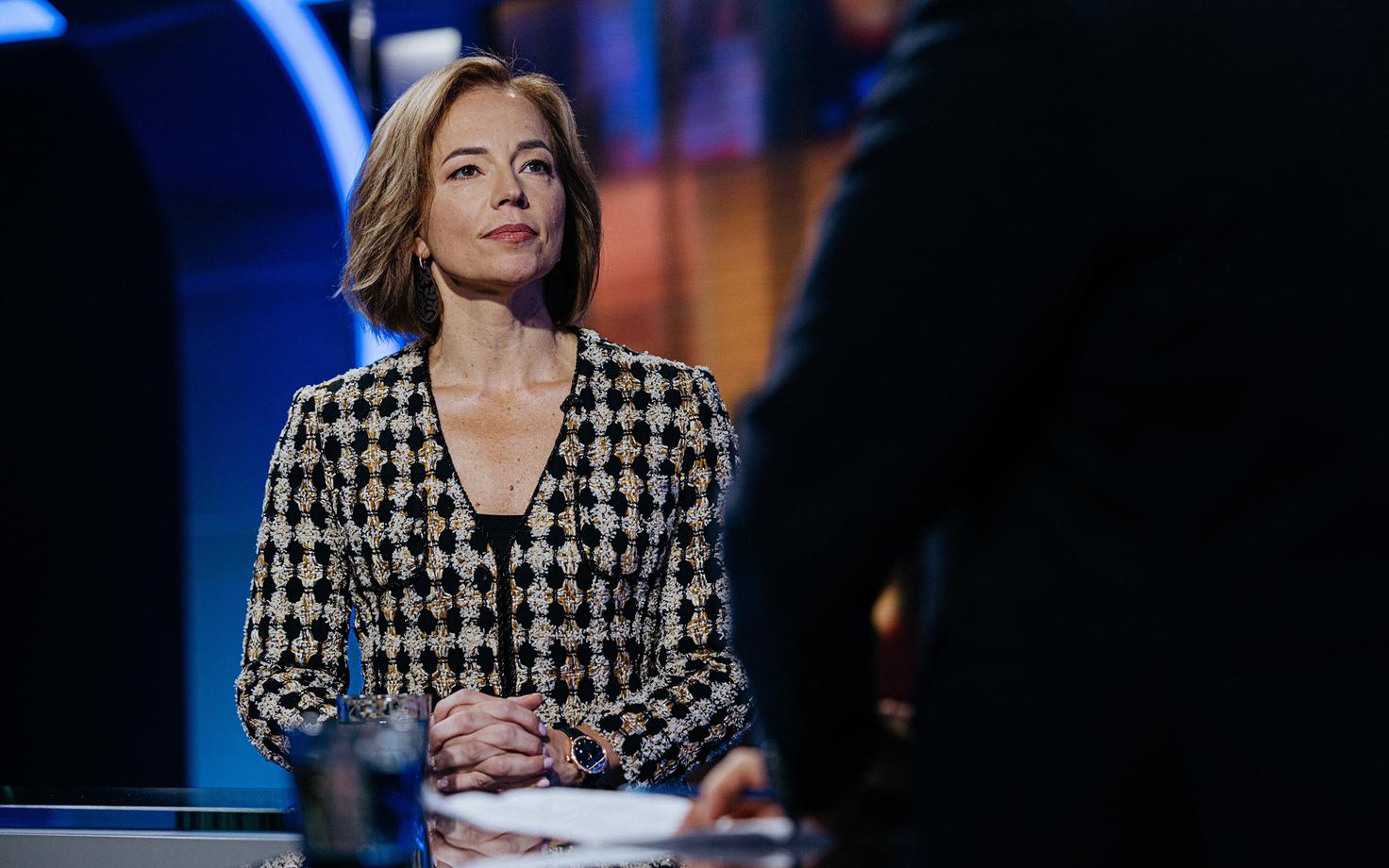
MP Liina Kersna (Reform Party) says the upcoming elections will be held with current Prime Minister Kristen Michal at the helm, and that a strong result for the party would be at least 20 seats.
Kersna says the mood in the Reform Party's parliamentary group is very work‑focused and rather battle‑ready, even though everyone understands that repeating the previous record‑breaking result will be difficult.
"Given current trends — looking at Reform Party support, which is moving upward — we will likely not continue with a parliamentary group as large as today. But it was exceptional that so many of us entered the Riigikogu; there were specific reasons for that," Kersna said.
Reform Party's 37 MPs currently form the largest faction in the Riigikogu. Speaking about the possible election outcome, Kersna considers 20 seats a realistic goal.
"I think 20 seats in the Riigikogu is entirely achievable, and anything above 20 would be excellent. Looking at current party rating trends, I wouldn't be surprised if, before the elections, we end up with four major parties having relatively similar support and the fight is simply for first place. We'll see," she said.
Kersna says voters have given the party a very clear warning through the ratings.
"There are many reasons for this. We've come through several crises: some we've managed to turn to our advantage, others we haven't. Through these ratings, voters have given the Reform Party a very clear warning. Whether that warning becomes a decision and a choice on election day, we'll see then — but the warning has been issued. The question now is how we respond and regain trust," Kersna noted.
No leadership shake‑up planned
Rumors circulating in political circles about a possible leadership change or Kersna becoming the prime ministerial candidate, she explained, are typical political speculation.
"First, Reform Party has changed leaders repeatedly, but always democratically and with dignity — we don't work behind anyone's back. Second, I recently had coffee with Tõnis Lukas and told him: 'Be careful, you might end up in the news just for sitting with me.' The fact that we communicate with opposition parties, test boundaries, and learn what can and cannot be agreed upon is extremely important. I've used those relationships, and I think communication is necessary," Kersna said.
According to her, there is no doubt who will lead the party into the elections.
"In Reform Party, the rule is: one chairperson at a time, one prime minister at a time. We will go to the elections with our current prime minister. The current prime minister has made changes in the government. It's a good example of how to turn political crises to your advantage. The prime minister has shown initiative and refreshed the government, and I believe it works," she said.
Asked whether she would be willing to run for party chair in the future, Kersna replied that her biggest flaw in politics is that she has no desire for power.
"I have turned down ministerial offers when I felt I wasn't up to the task. At the same time, if I feel I can do something meaningful for Estonia and the current moment allows it, I cannot rule it out," Kersna said.
"This decision must certainly be made by Reform Party members and above all by voters. If I sense support and see that it could benefit both Estonia and the Reform Party, then I definitely wouldn't rule it out," she added.
Regarding support from former prime minister Andrus Ansip, Kersna noted: "Ansip is also a strong supporter of Kristen Michal. But yes, we have worked together for a very long time, I've learned a lot from him, and I'm very grateful."
Government should have known the risks
Speaking about the failed ammunition procurement, Kersna said those who signed the contracts should have informed a wider circle about the risks. "I agree with the prime minister that both the government and the Riigikogu finance committee should have been aware of the risks, especially since they were clearly told the deal posed no risk to the state budget. Today we know those risks did exist, and decision‑makers should have known," she said.
According to Kersna, the biggest danger of the scandal is the erosion of public trust in the necessity of defense spending.
"The biggest negative impact of the scandal does not concern Hanno Pevkur or the Reform Party, but the fact that I increasingly hear the question: if the defense sector cannot use its funds, why must other sectors constantly tighten their belts to give money to defense that apparently cannot be used? In reality, the defense sector has used its funds very effectively and purposefully. It remains extremely important to understand that if Russia were to leave Ukraine with a victory, it would pose a major security threat to both Europe and Estonia. We must continue supporting Ukraine — it is truly an existential issue," Kersna said.
--
Editor: Mari Peegel, Argo Ideon
Source: ERR interview by Joosep Värk