Gallery: AI revives Estonian artist's lost 19th-century masterpiece
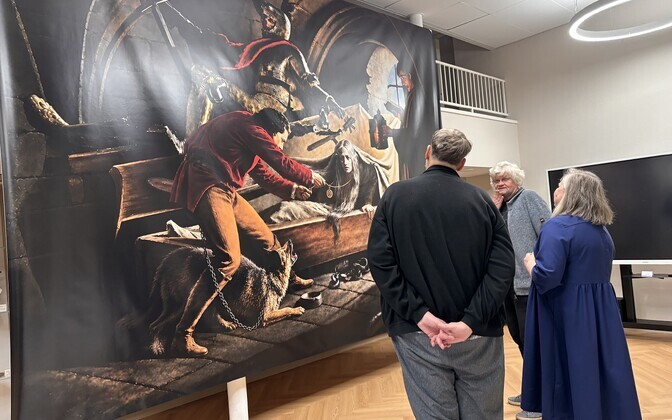


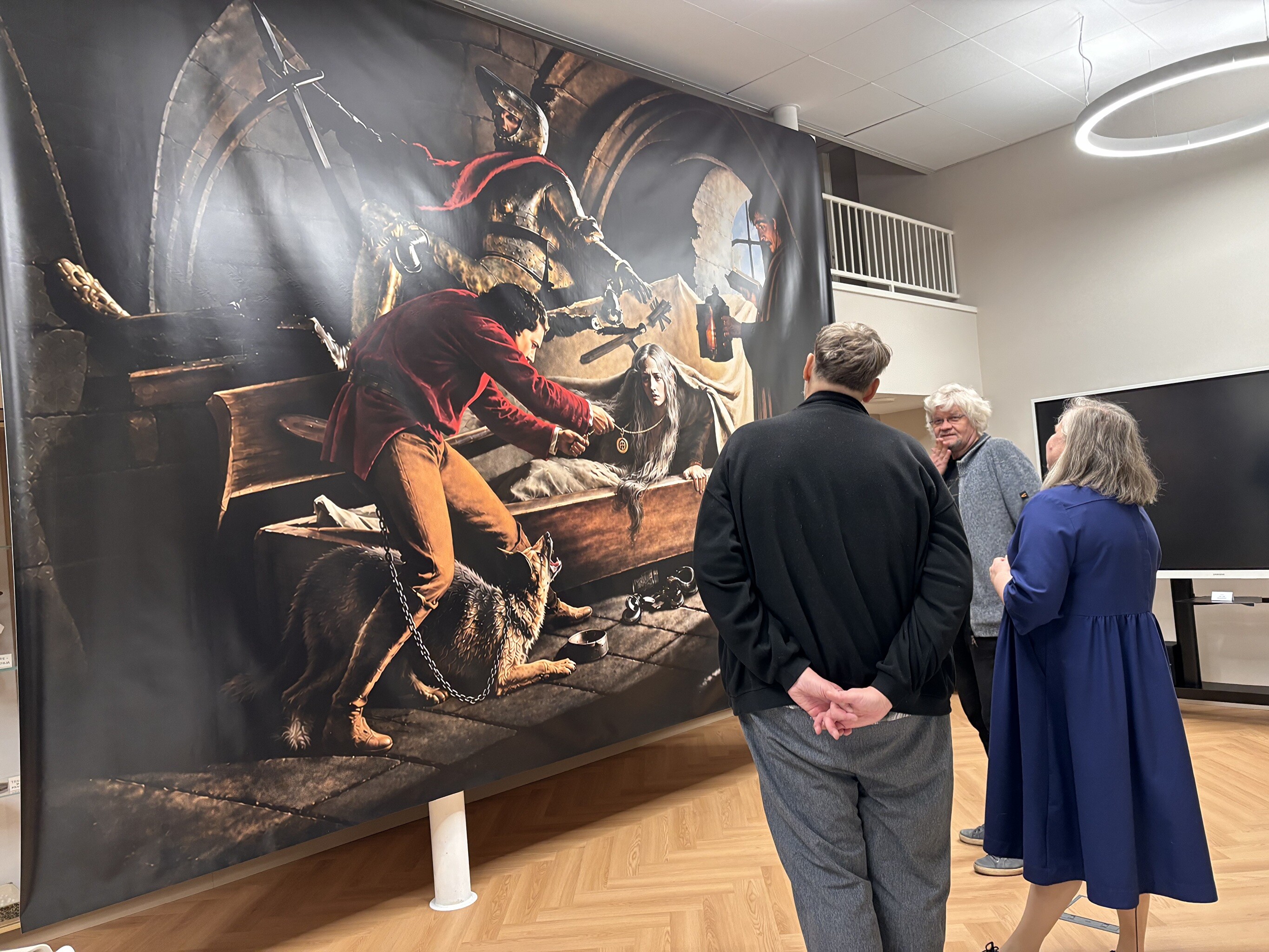
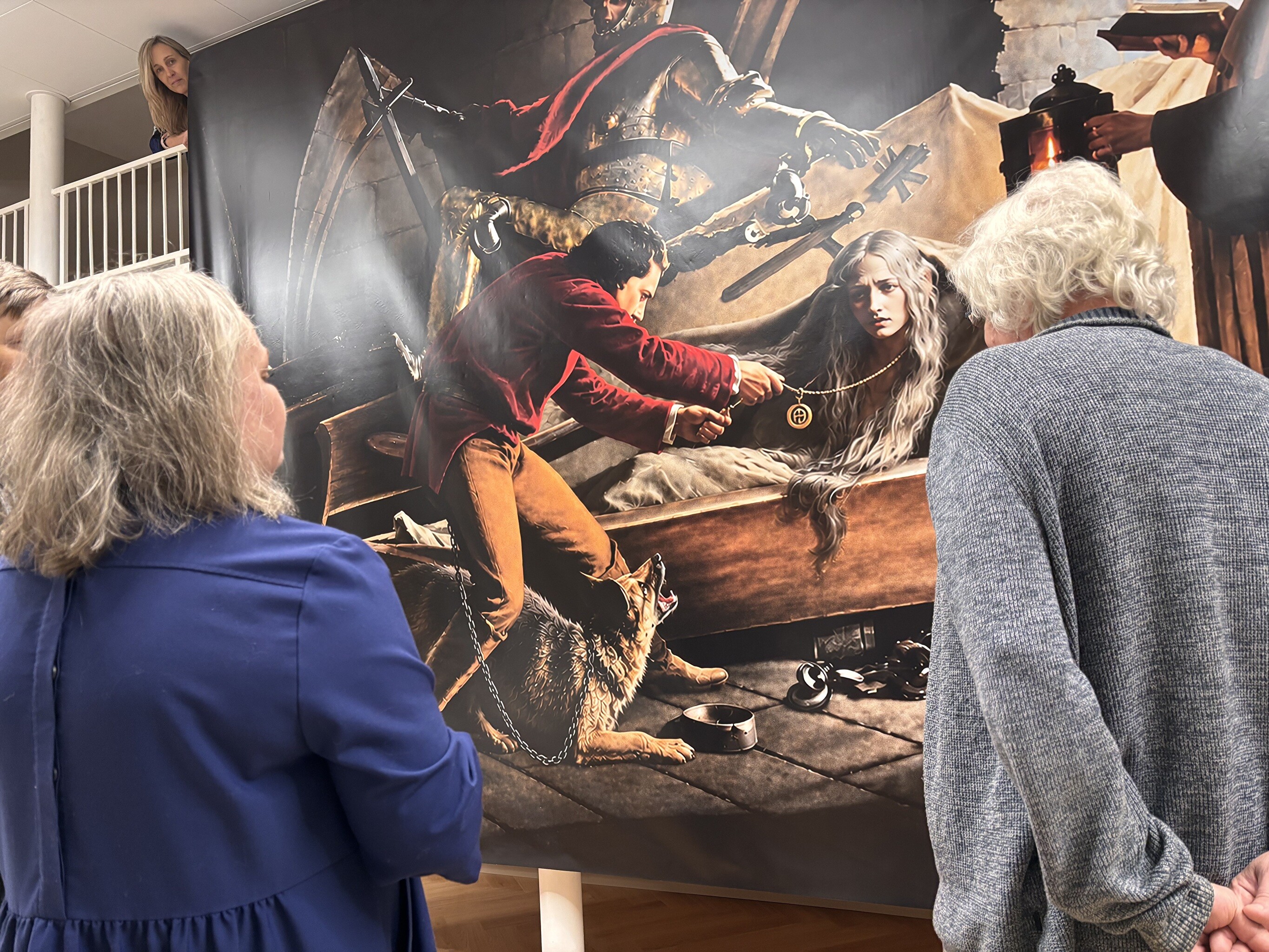
A reproduction of a massive long-lost painting by Estonian master Johann Köler is on view in Viljandi, brought back to life using AI and a single black-and-white photograph.
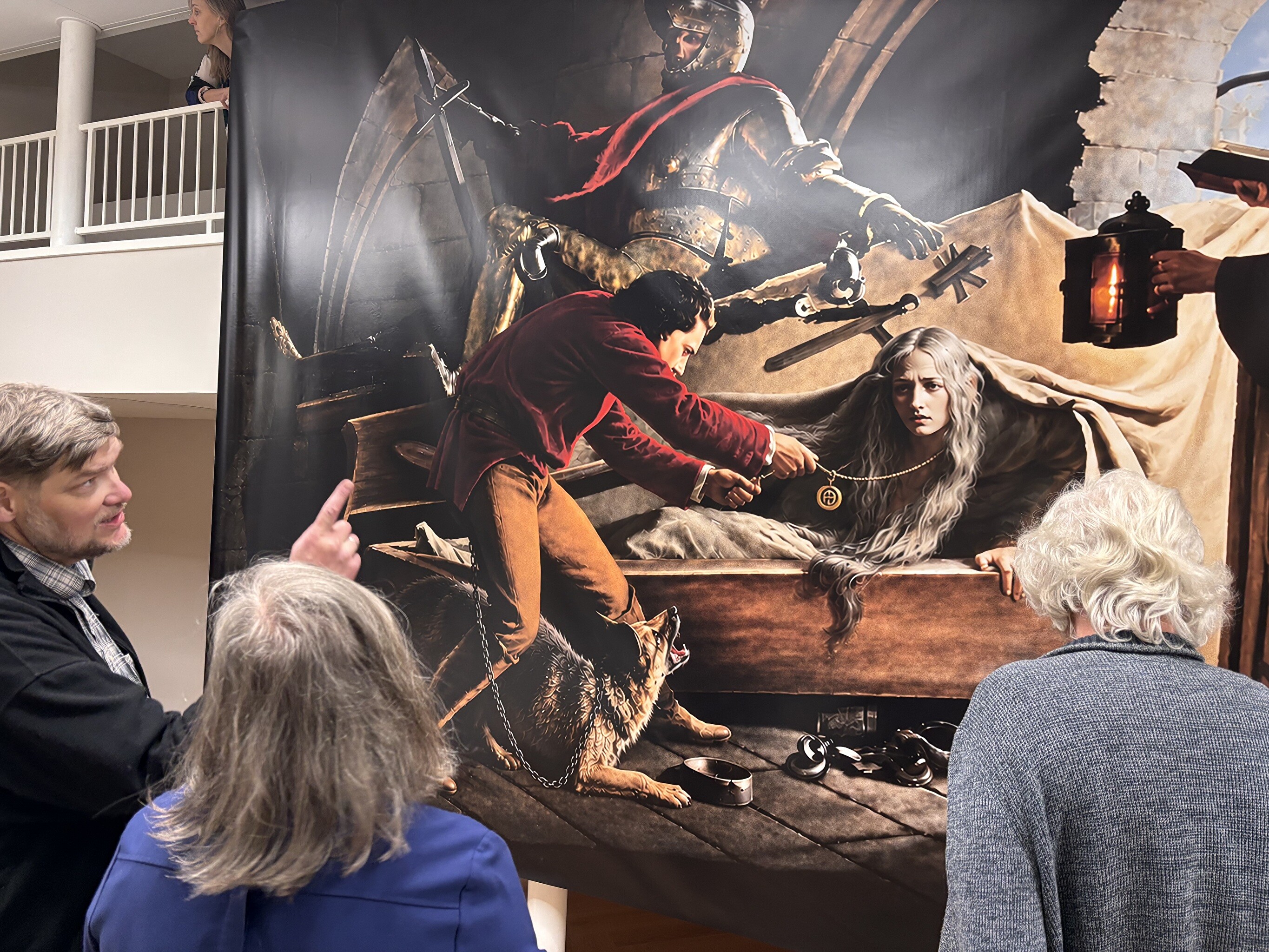
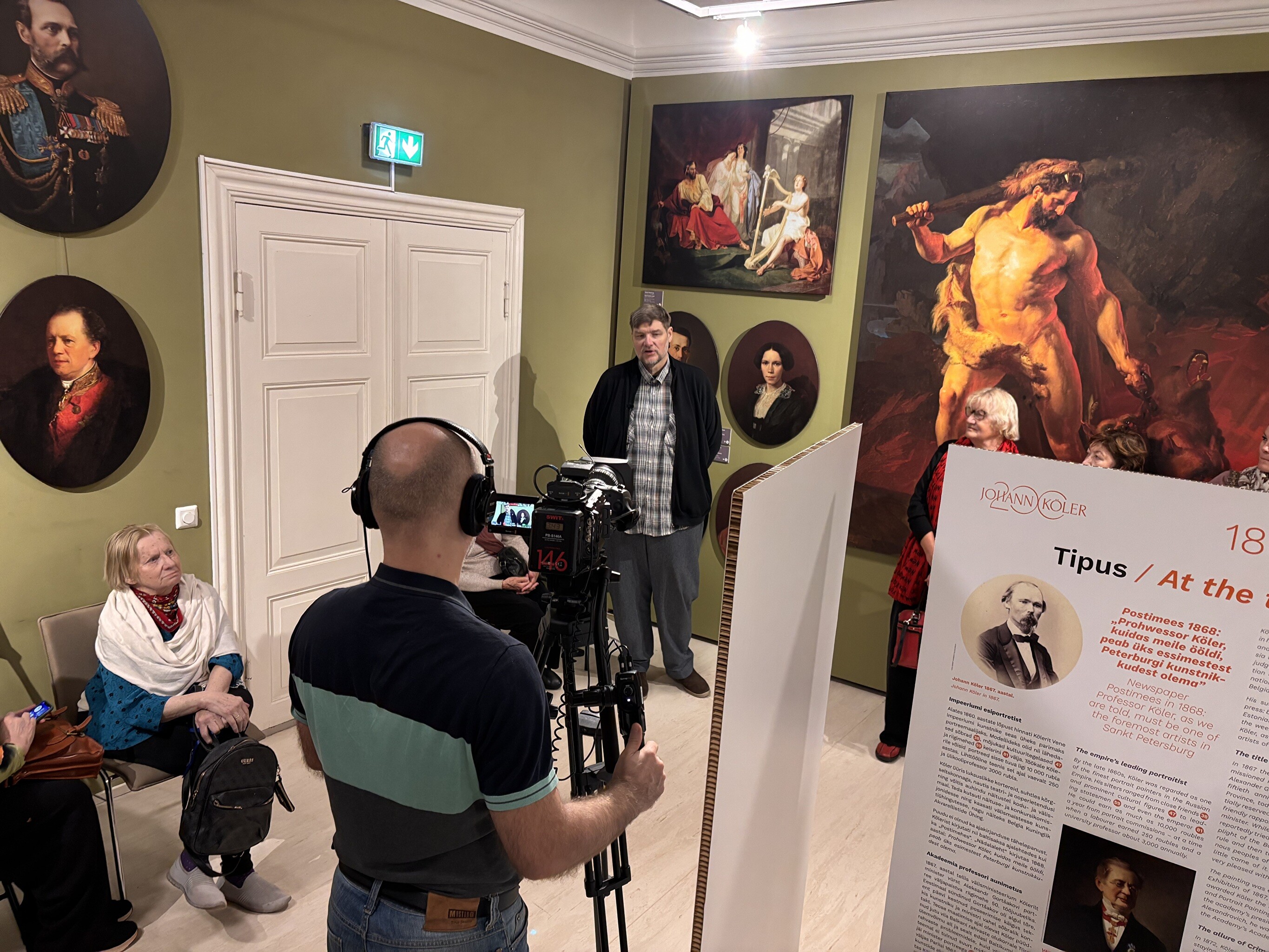
The painting, "Waking from Charmed Sleep" ("Ärkamine nõidusunest"), dates back to 1864 and measures 4.3 by 3.2 meters. Viljandi Museum exhibition curator Kristjan Mändmaa describes it as a politically charged work highlighting native Estonians' lack of land ownership under Baltic German rule.
The painting depicts a German nobleman opening a tomb and reaching for an amulet worn by an Estonian woman representing the people emerging from 700 years of serfdom. The amulet, Mändmaa explained, symbolizes Estonian land, which was largely controlled by Baltic Germans at the time.
"Köler saw this as a tremendous injustice, and this was his way of fighting against it," he added.
The work sparked a major scandal when it was first shown, drawing furious reactions and threats from the Baltic German press.
"Legend has it that the Baltic Germans somehow arranged to have the painting destroyed, which would explain why it disappeared," Mändmaa said.
Anniversary shows draw large crowds
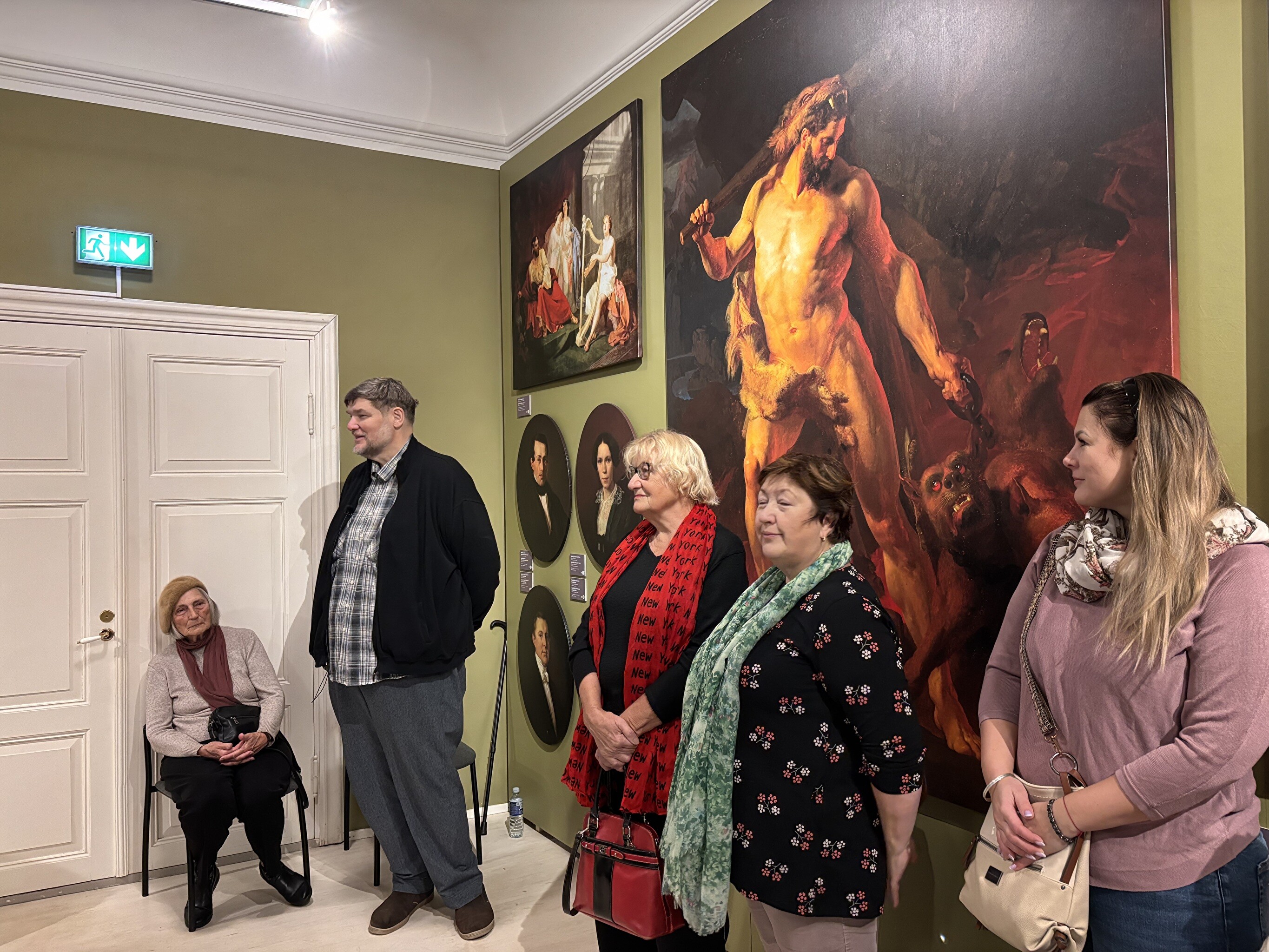
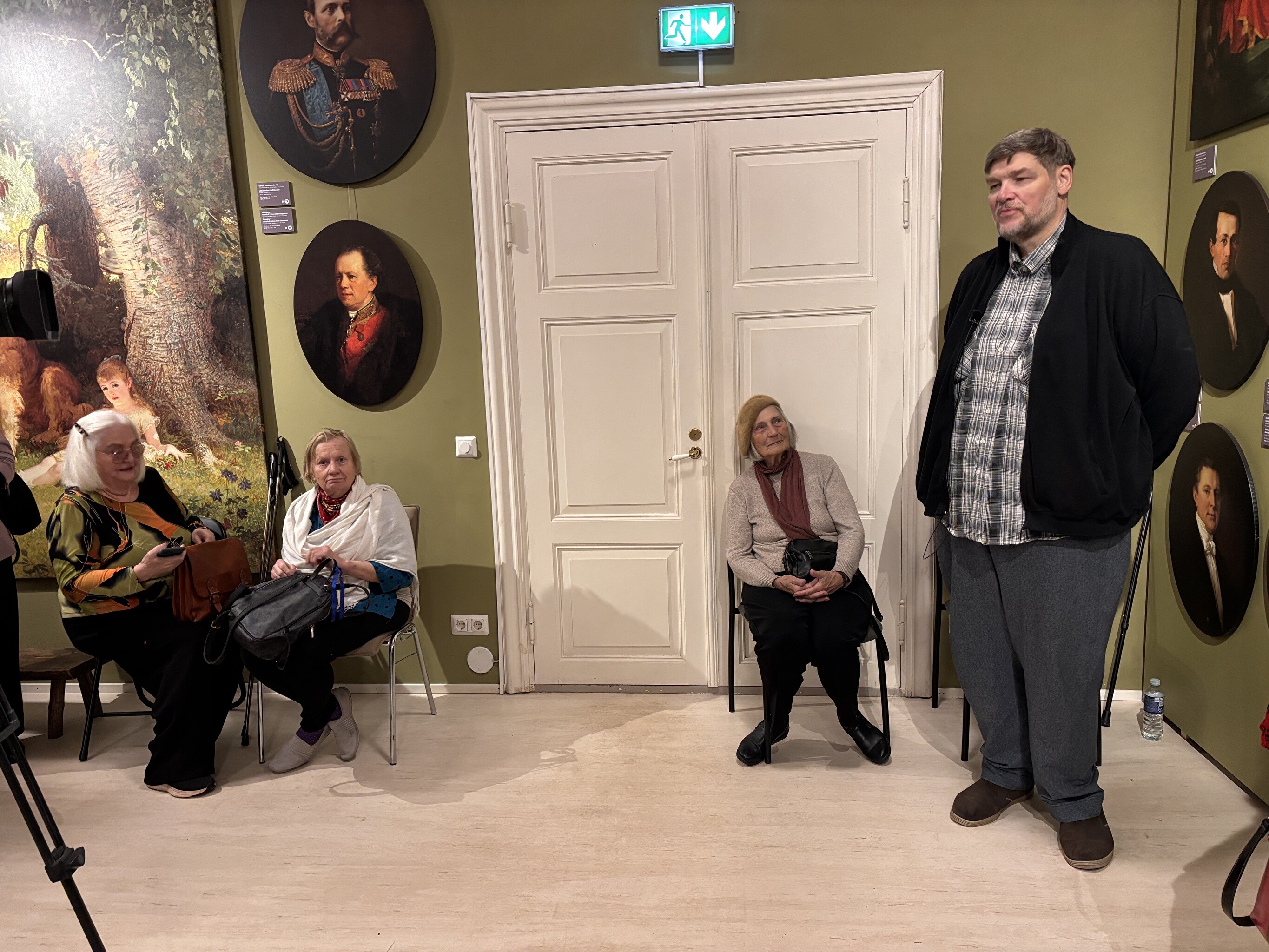
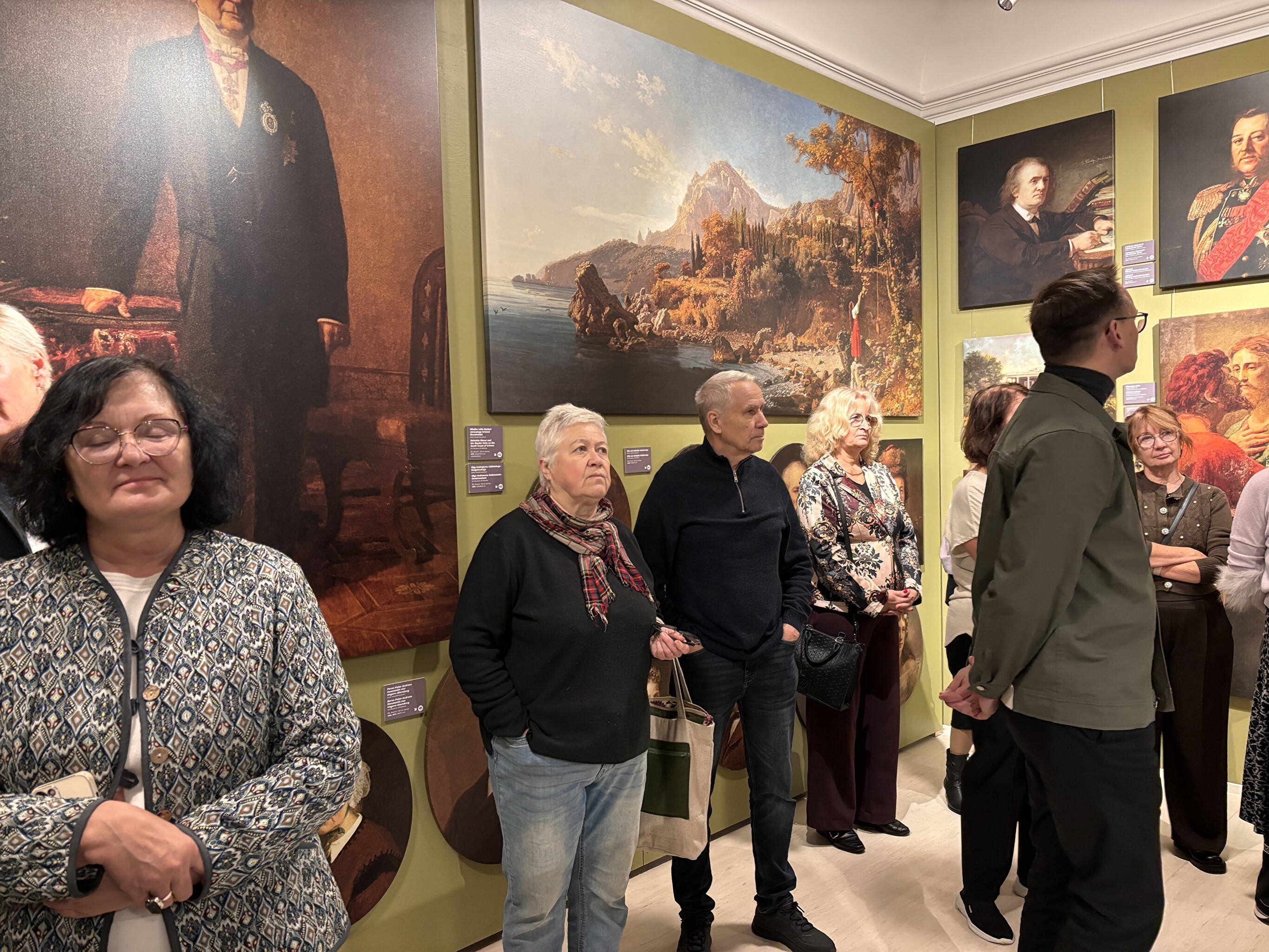
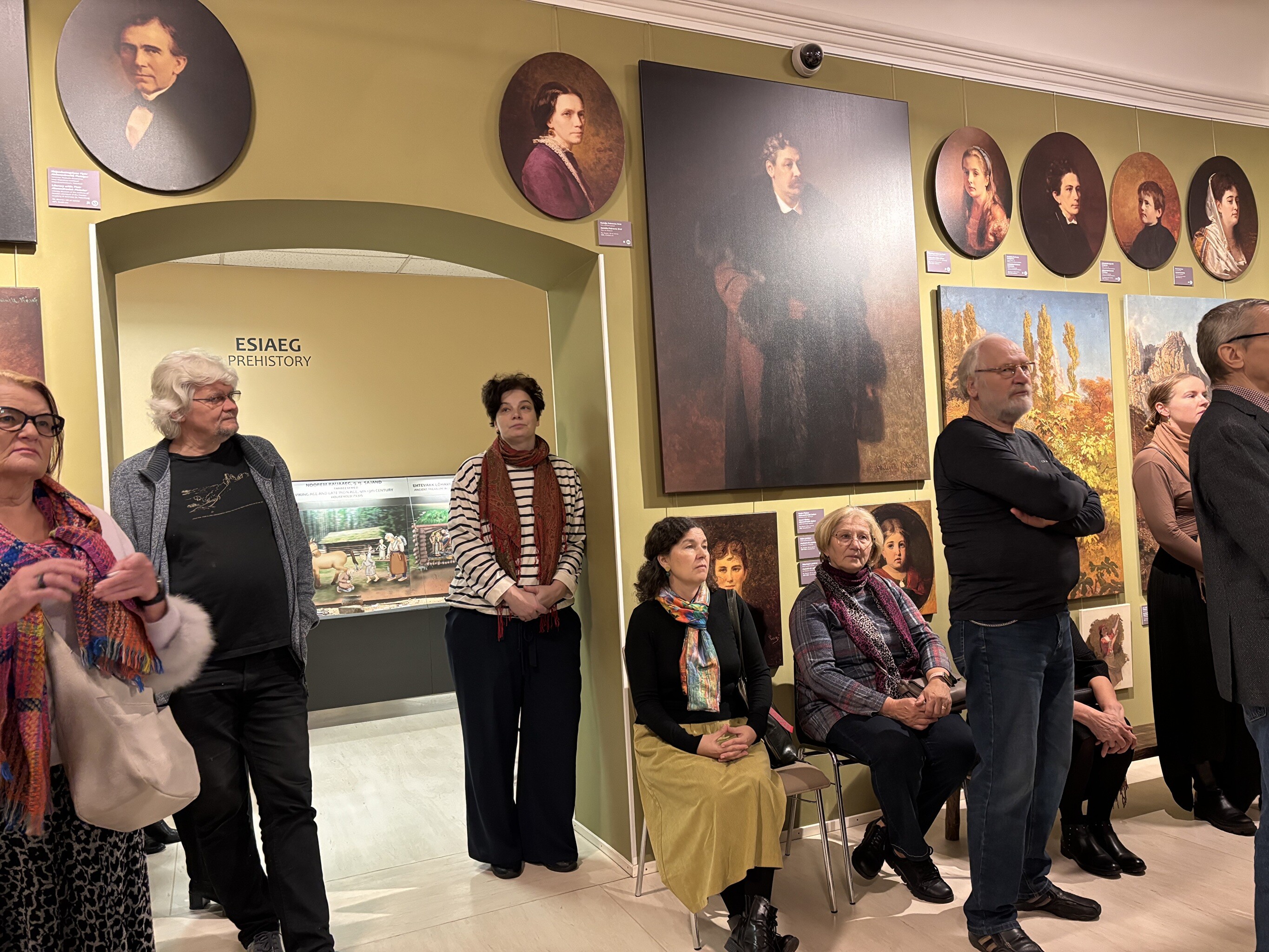
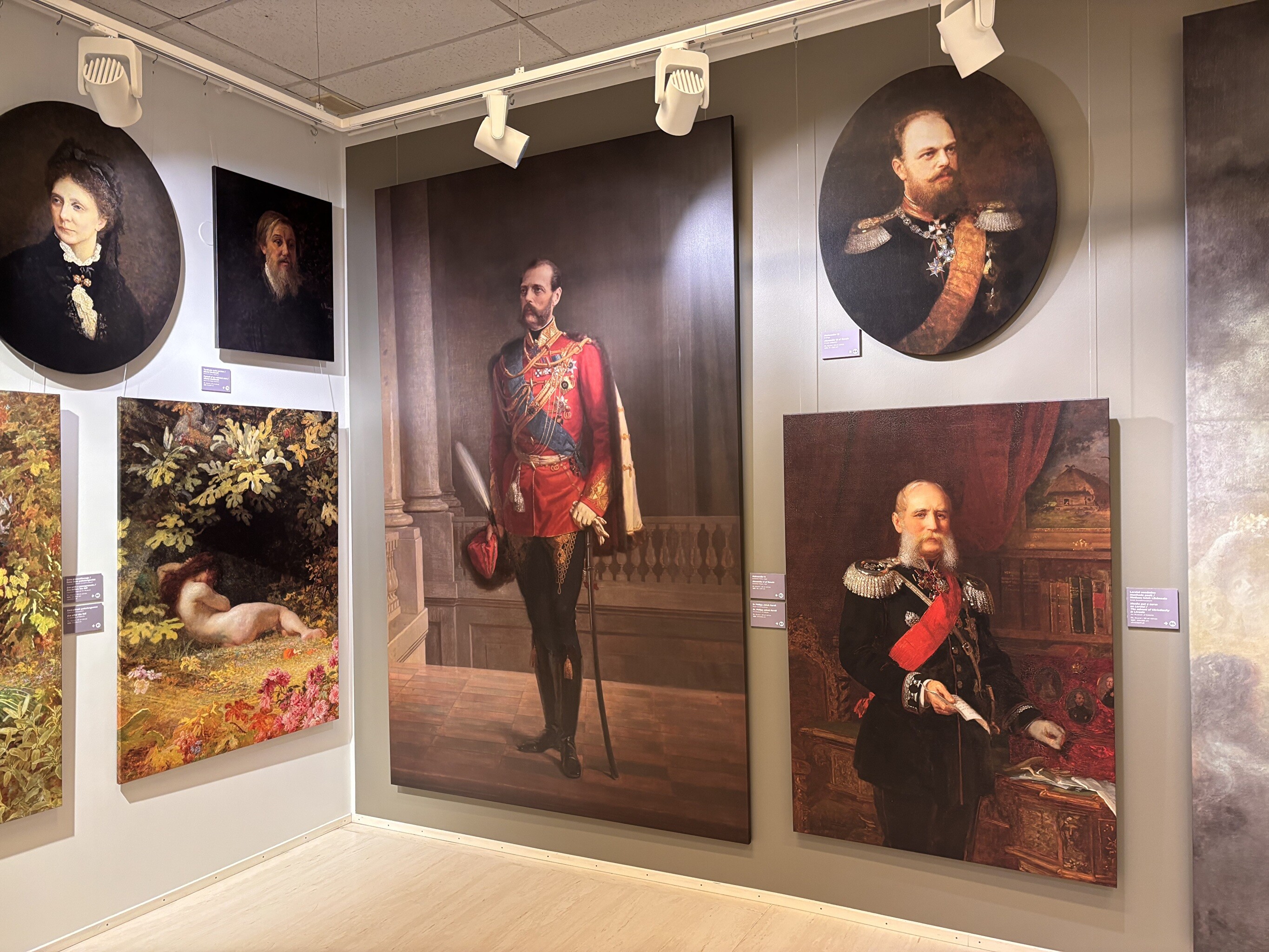
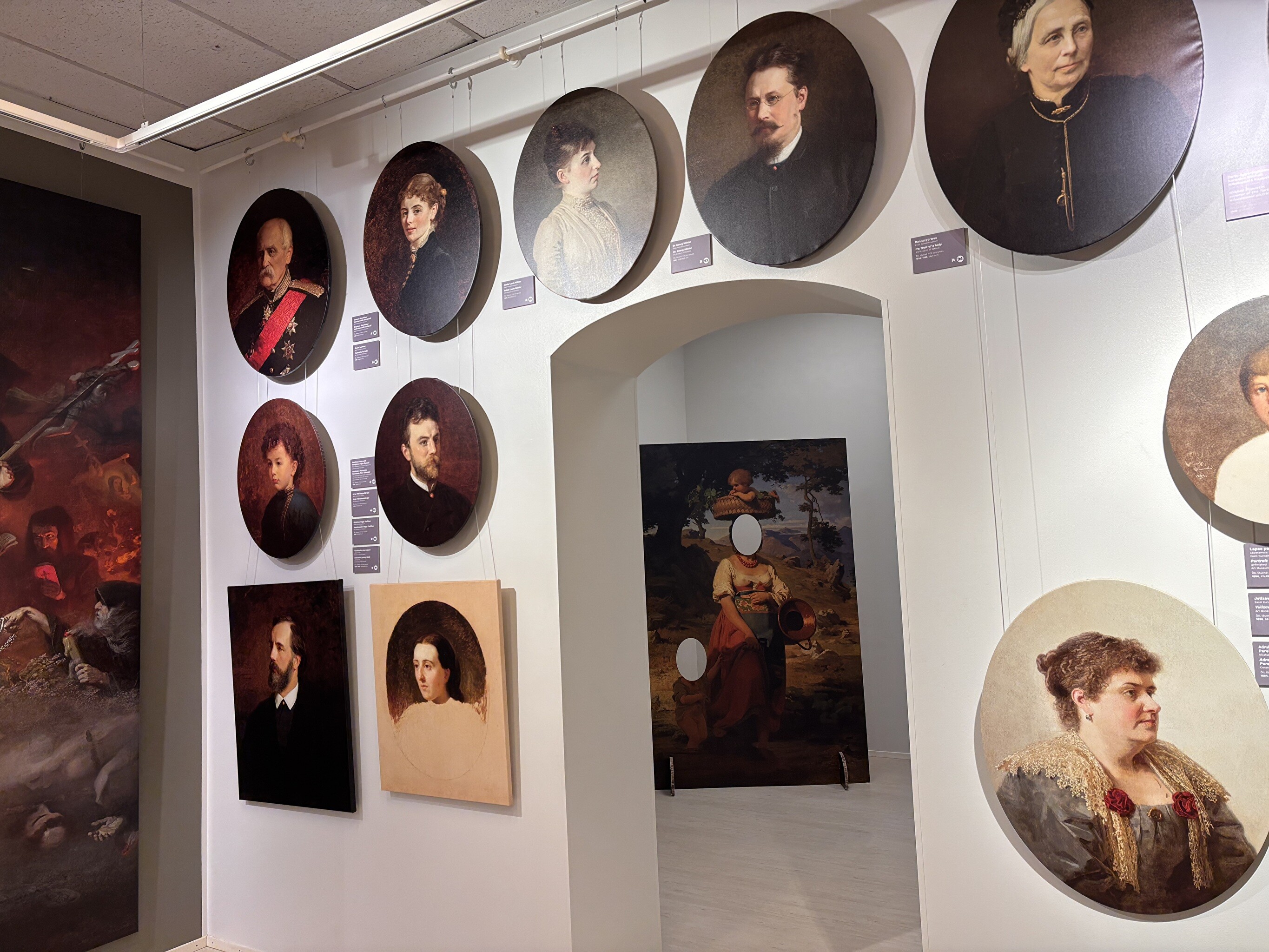
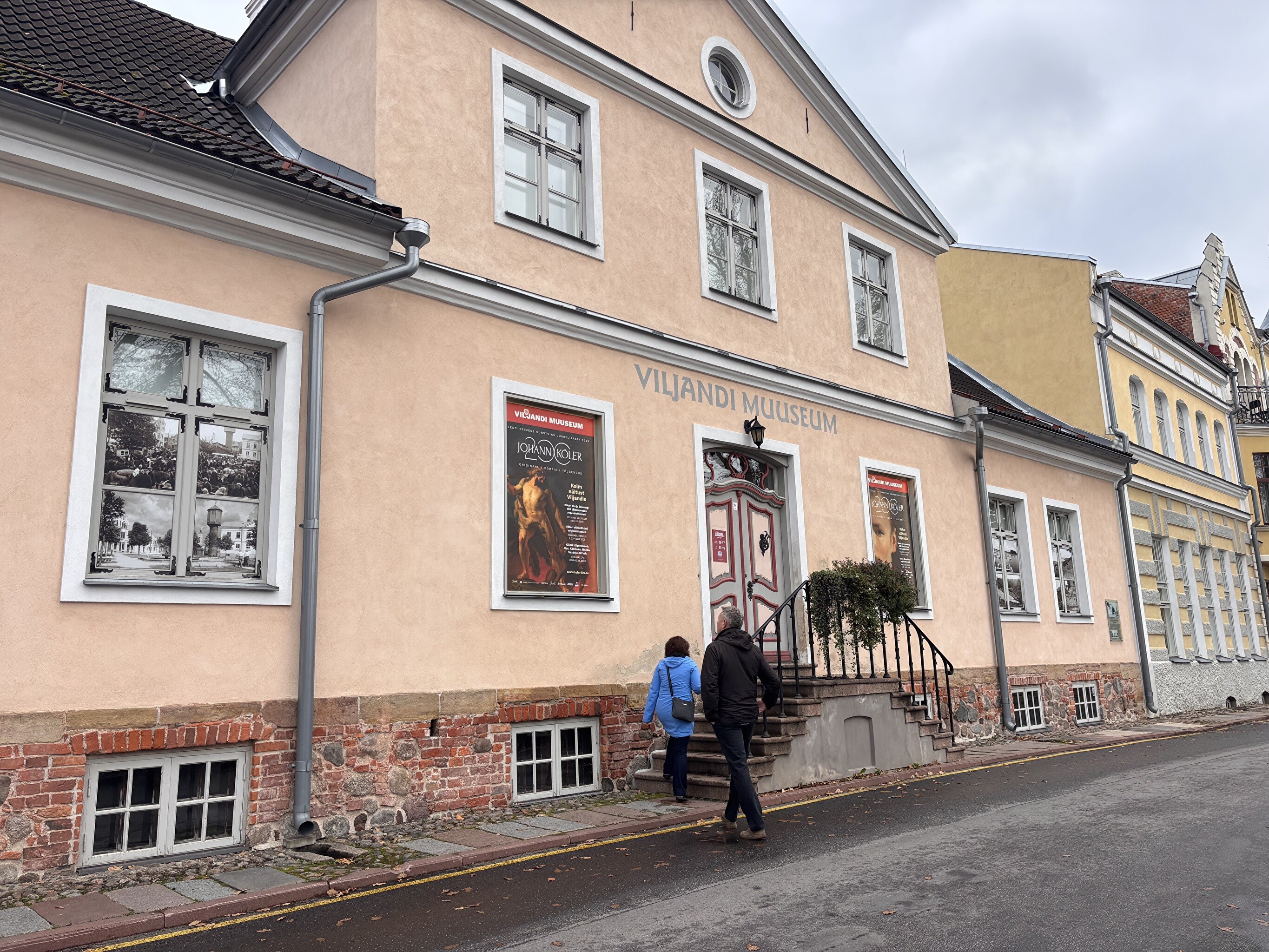
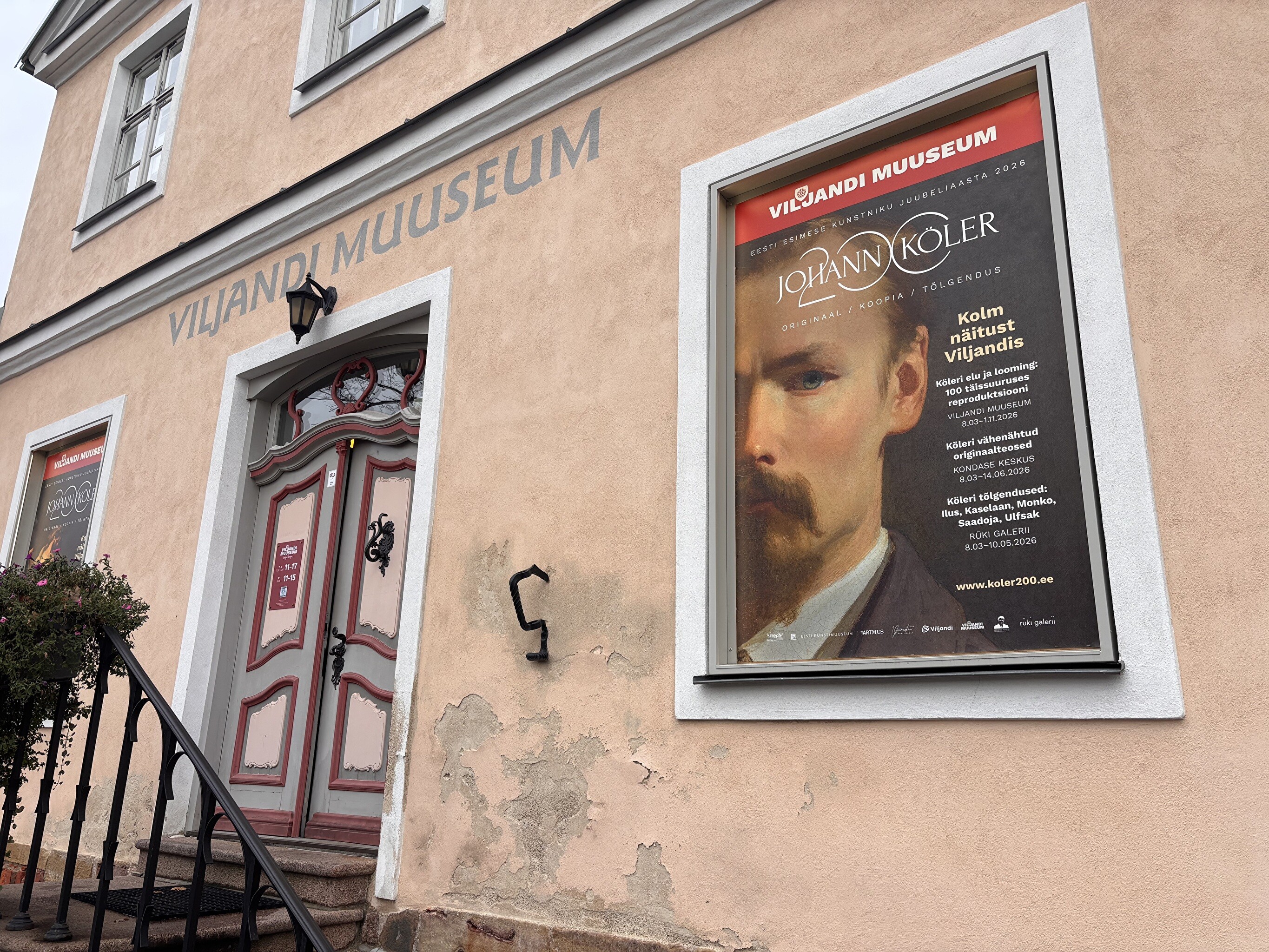
Viljandi Museum program director Signe Susi said three major exhibitions marking the 200th anniversary of the birth of Estonia's first professional artist drew large crowds to Viljandi this year. The Kondas Center welcomed nearly 11,000 visitors, Rüki Gallery 2,500 and the Viljandi Museum itself expects more than 13,000.
Music educator and orchestra conductor Harry Illak, who also took part in events marking Köler's 190th, said his interest in the artist's life and work had only grown since.
"After all these visits, my understanding of Köler and his work has changed considerably from what it was ten years ago," he added.
The AI-restored reproduction of "Waking from Charmed Sleep" remains on view at the Viljandi Museum on Sunday.
--
Editor: Aleksander Krjukov, Aili Vahtla