Kaja Kallas' role in Ukraine peace talks unclear
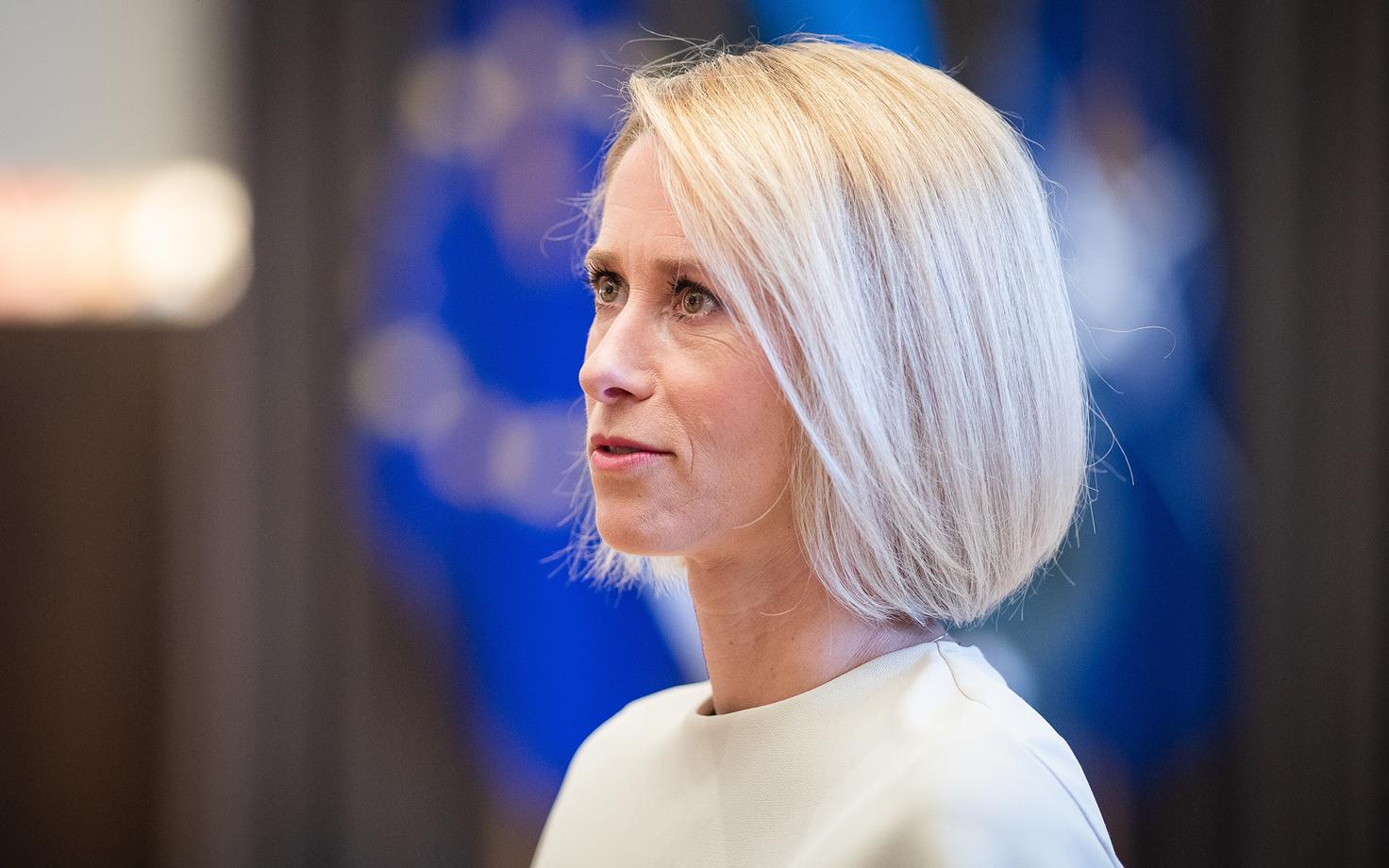
Responding to an ERR question about her inclusion in Europe's negotiating team, Kaja Kallas said the decision was up to European Union leaders and that she would continue working on the substantive issues in the negotiations regardless.
Last week, European Union leaders agreed that Europe would be represented in Ukraine peace talks by the United Kingdom, France, Germany, Italy, Poland and EU institutions. Estonian Prime Minister Kristen Michal said the institutions would be represented by European Council President António Costa and either Ursula von der Leyen or Kaja Kallas from the European Commission.
I was a little unclear about the new agreement, specifically who will speak on behalf of the European Union and represent Europe. Will it be António Costa and Ursula von der Leyen, or will you also be involved?
It was the leaders' wish that António Costa and Ursula von der Leyen would be the ones involved, alongside the five countries.
After all, I meet with foreign ministers every month. I have the European External Action Service, which has experts on Russia and previous agreements. That expertise is also needed in these negotiations. So we are working on the substance, even if the format was decided on Friday.
Still, you have been very outspoken on Russia. Should we now be concerned that the European Union is unwilling to speak as clearly on these issues as you have? Is the European Union reluctant to choose the people who would present its positions in the clearest possible terms?
The European Union consists of 27 member states and representatives of those 27 member states, all of whom come from democracies, so to speak. That is why I think the work you do in the media is also very important — asking those negotiators questions at every opportunity. Of course, we do the same.
For example, when Russia has put forward various demands, have you asked for anything in return? If someone comes along saying sanctions must be eased, which is obviously in Russia's interest, what do we get in return?
Right now, we see that Russia has presented its maximalist demands, some of which are completely absurd. Together with the foreign ministers, we have prepared Europe's maximalist demands. Yes, you could say that some of those are also absurd, but they actually reflect two things.
First, they reflect the fact that Russia is the aggressor in this conflict. They also reflect the pressure being placed on Ukraine, for example, when it comes to limiting the size of its military. The problem, after all, is the size of Russia's military, not Ukraine's. We are trying to keep the focus on these substantive issues and we hope the free media will do the same.
A quick question about Estonia as well: There was an attempted arson attack on a building belonging to defense industry company Threod over the weekend. What is the European Union doing to support Estonia in this situation?
We will, of course, discuss all these hybrid attacks today. I also feel that the word "hybrid" is far too mild and that we should actually describe these attacks more specifically for what they are. Naturally, we will also propose various sanctions in response.
--
Editor: Marcus Turovski, Urmet Kook


