Eesti 200 calls for euthanasia referendum to gather citizens' views
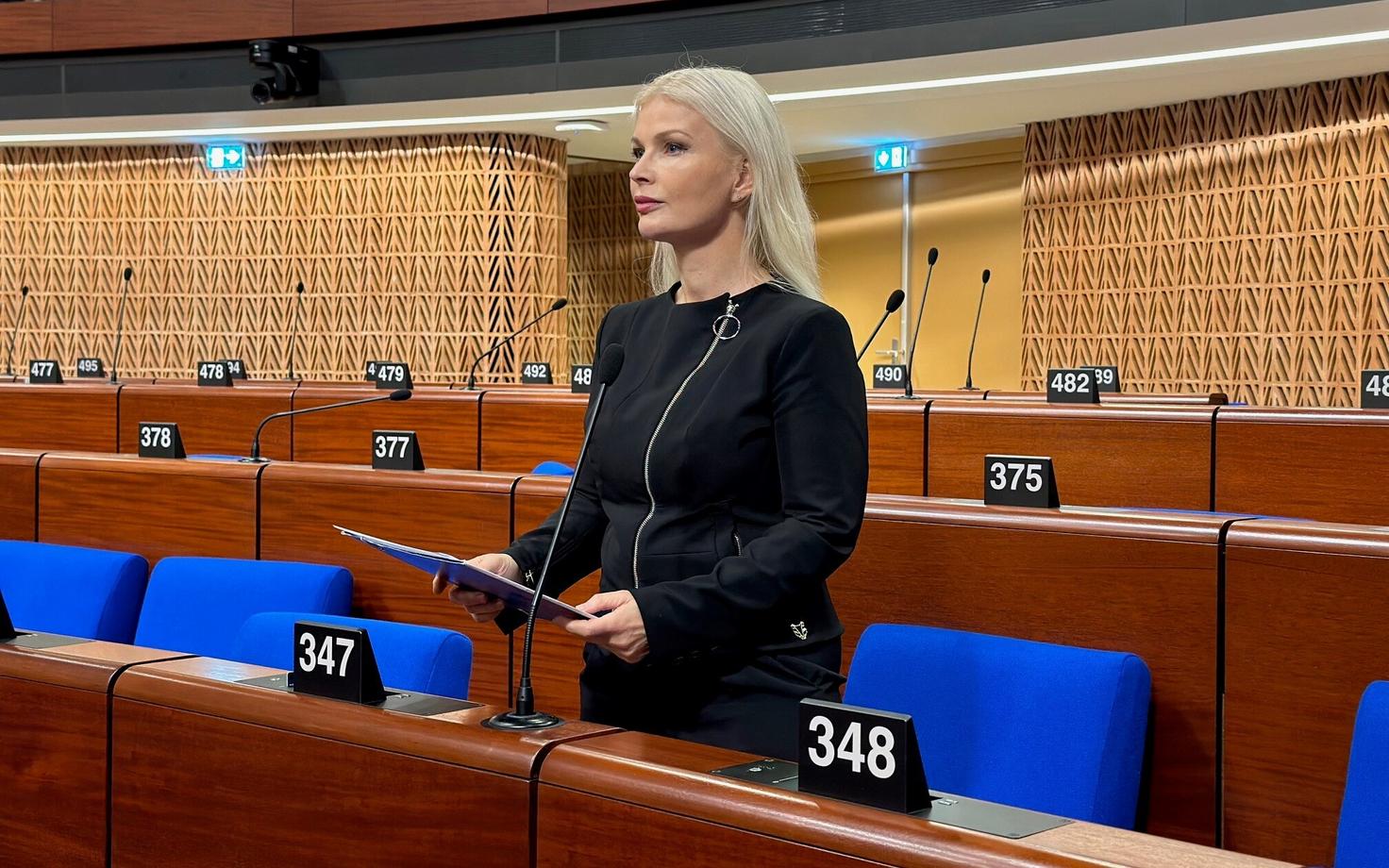
Junior coalition party Eesti 200 has proposed holding a referendum to ask citizens for their views on legalizing euthanasia at the same time as the Riigikogu elections in March 2027.
The Eesti 200 parliamentary group submitted a draft resolution on Thursday to ask eligible voters whether adults with legal capacity in Estonia should have the right to end their lives with dignity through medical assistance in the event of a serious incurable illness, the party announced.
The party's Chairman Kristina Kallas said the aim is to get guidance from citizens for future policymaking.
The draft does not establish a legal framework for assisted suicide or euthanasia. Nor would it yet decide on the possible content of such regulations.
"We do not want to provide simple answers to difficult questions with this draft. At the same time, we believe that our society is ready to discuss whether and under what conditions people should have the opportunity to end their lives with dignity through medical assistance instead of enduring incurable pain and severe suffering," Kallas said.

"That is why we propose holding a referendum alongside the Riigikogu elections in March, so that Estonia's eligible voters can express their position in principle, which would serve as democratic guidance for the next parliament. Based on the will expressed by citizens in the referendum, the next Riigikogu can begin developing regulations suitable for Estonia," she explained.
According to the draft, the ballot paper would contain the question: "Should Estonia legalize the right of an adult with legal capacity to end their life with dignity through medical assistance in the event of a serious and incurable illness?" The response options would be "yes" and "no."
Eesti 200 parliamentary group member Kadri Tali, who spoke when submitting the draft in the Riigikogu, said the European Court of Human Rights has found that a person has the right to decide to end their own life of their own free will, but states have been given the opportunity to shape their own legislation on the matter.
"I appeal to all parties to talk to your voters and members and ask for their opinions as well. Hopefully, as a result, you will find a way to support holding the referendum in the Riigikogu," she said.
"This is not a matter of party politics, but a human issue. We cannot always decide how long a person's life will be. But we can decide how much care, compassion and dignity there is in it," Tali added.
Michal: People must have the option to choose a dignified death
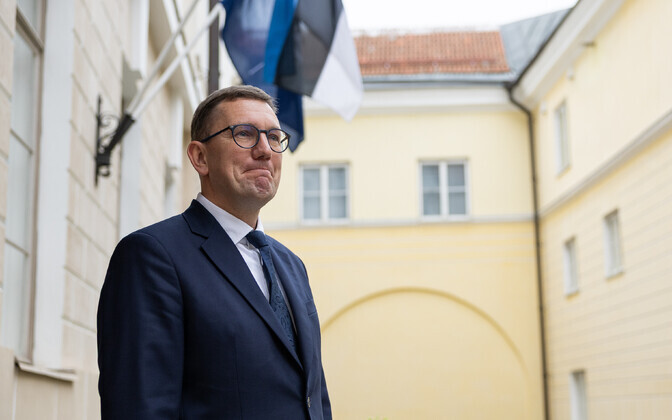
Prime Minister and Reform Party chairman Kristen Michal wrote on social media that people must have the option to choose a dignified death when there is no other way.
"This is my personal inner conviction as a liberal – a person must be free to decide. Being still young, I am 52 years old, this topic has come up in conversations with many people, specifically as a question of values. Often with older people as well. Attitudes differ, but through discussions together, we have generally reached the conclusion that everyone can make their own choices."
Michal said he understood that people also hold opposing views.
"I understand and respect that. Fortunately, the freedom to decide does not take away anyone else's freedom to choose not to decide. I know that this topic is complicated, for many reasons. The debate on this subject has probably already taken place in many developed societies, and we have no reason to pretend that we should not discuss it either. The discussion must certainly be conducted in society with mutual respect, calmly and with consideration for ethical issues. Especially since this is a collective discussion about a deeply personal freedom and choice."
This article was updated to add comments from Kristen Michal.
--
Follow ERR News on Facebook and Twitter and never miss an update!
Editor: Helen Wright, Mait Ots


