Service dog bites toddler visiting inmate at Tallinn Prison
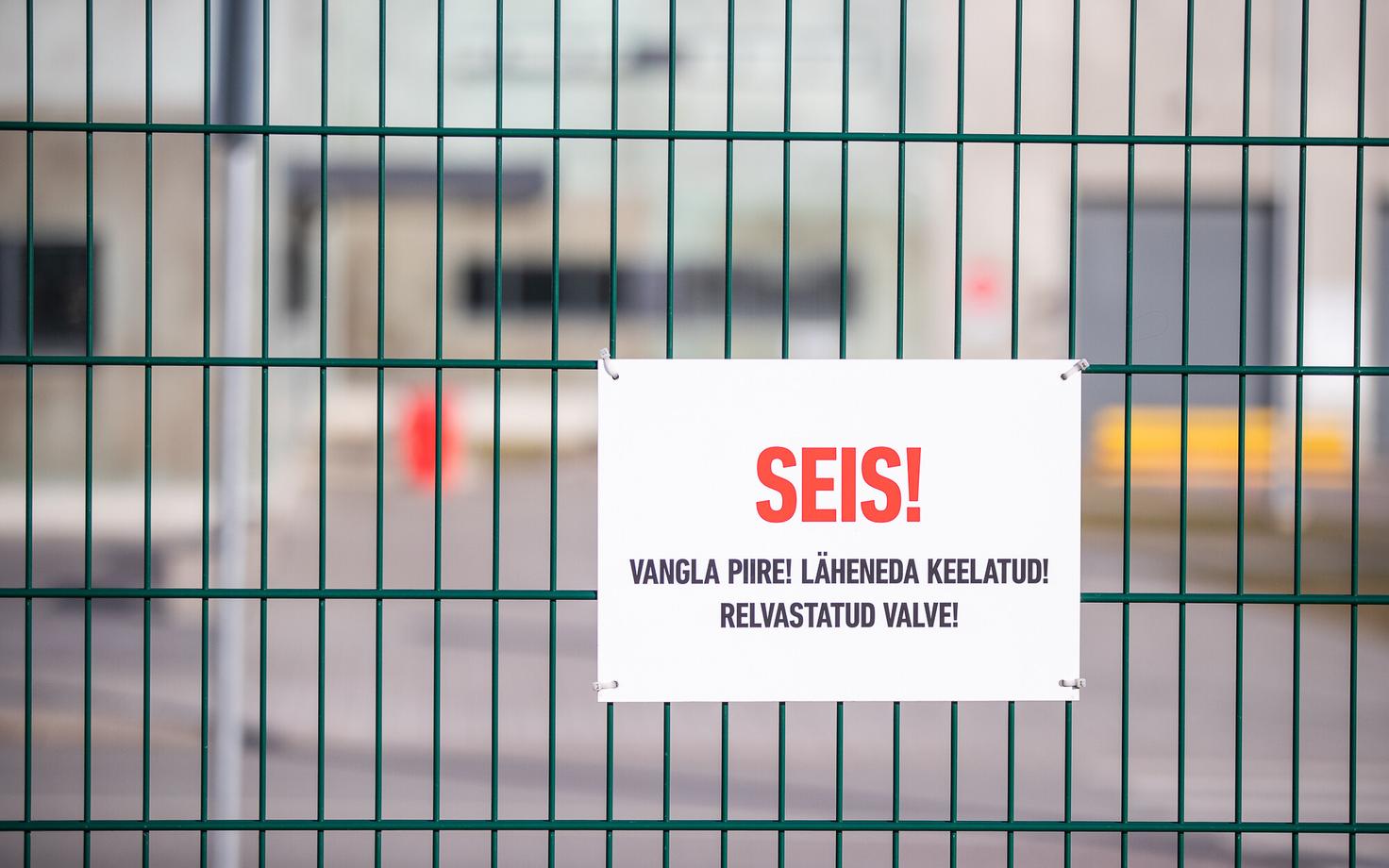
The Estonian Prison Service has opted to tighten visitor screening rules after a toddler was bitten by a service dog at Tallinn Prison during the summer.
The incident happened in August and the toddler had been brought to the prison, located on the eastern outskirts of the capital, as part of a family visit.
The case has renewed debate over using sniffer dogs when inmates' relatives, go through security screening, an issue previously flagged by both Estonia's chancellor of justice and a UN committee.
In a report on Estonia two years ago, the UN Committee on the Rights of the Child (CRC) noted that prisons must respect the rights and needs of inmates' children, echoing previous comments made by the justice chancellor.
The dog involved in the August incident is no longer deployed i visitor checks at the prison, while the officer who acted as the dog's handler at the time of the incident has left the prison service.
Triin Salomets, an adviser in the service's prison work organization division, stressed that none of the authorities canines are trained to act in an aggressive way. At the same time, since prohibited items do get smuggled into jails, sniffer dogs are still required, Salomets added.
"They are trained to search for prohibited substances and do so on a daily basis. It is part of our job, as prohibited items are a concern in prisons," Salomets said.
Addressing the specific incident involving the toddler, Salomets acknowledged that several unfortunate circumstances had coincided, including the dog handler screening visitors while working alone.
"Ordinarily, a dog handler is not alone. On that day, it simply happened to be the case, and there was a consequence. In actuality, we never receive visitors alone. There is always an officer, a dog handler, and if necessary another person," Salomets explained.
Salomets added that prisons have already introduced a range of measures to facilitate smoother visits involving minors and inmates.
"We have play corners for children and outdoor areas where you can go for a walk with a child. Inevitably, coming inside prison walls gives a person a sense that they have somehow ended up in prison," she added.
The chancellor of justice has recommended that prisons involve a child welfare specialist — such as a social worker or psychologist — during visits so the environment feels less bleak from the child's perspective. Salomets noted with regret that no such specialists are currently available to attend visits, however, though existing staff are competent and have modern standards in their approaches.
"I can confirm that our officers are all very good communicators with children and adults. Seeing someone in uniform should not be a cause for fear. As things stand, we have mostly received children without involving these specialists, though it is certainly food for thought," she said.
As for dog types, labradors make up a growing share of the prison service's dogs, alongside Belgian and German shepherds, across Estonia's three facilities — Tallinn, Tartu and Jõhvi (Viru Prison) — and training is standardized and centralized.
"Training takes two years before a dog becomes a full-fledged working animal. Puppies are trained at the Estonian Academy of Security Sciences. Currently we have nine dogs — three per prison," Salomets said.
The Police and Border Guard Board (PPA), the Tax and Customs Board (MTA) and the defense forces are also agencies who deploy canines.
--
Follow ERR News on Facebook and Twitter and never miss an update!
Editor: Andrew Whyte, Mirjam Mäekivi


