Father of 3: The first child benefit should be very generous in Estonia
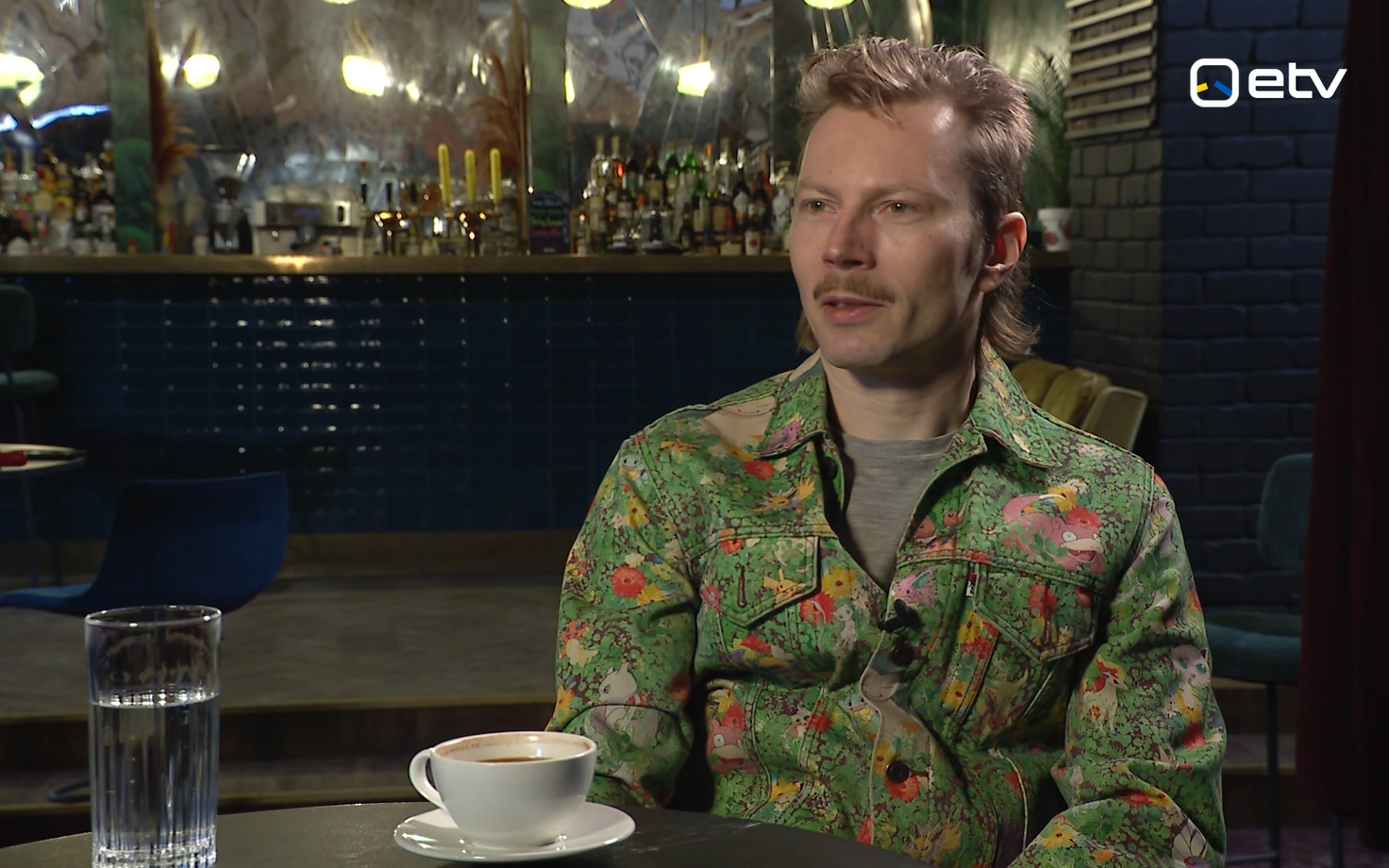
Director Madis Ligema, who recently became a father for the third time, told ETV that while money does not necessarily motivate people to have children, more generous benefits could increase the number of births in Estonia.
"The benefit for the first child in particular should be massive to encourage people to have that first child because once you have the first, then the second and third — and perhaps even a fourth — will follow," Madis Ligema said.
Economist and Family Foundation supervisory board member Raul Eamets, however, stressed the importance of supporting families having a third child.
"When people are planning a third child, it actually means a kind of qualitative change in their living arrangements because it means needing an extra room or a larger car, as three child seats won't fit in every car. Why is the issue of a third child so important? Half of Estonia's children live in families with three or more children," Eamets explained.
Parental benefit and a fixed percentage of GDP
As one way of increasing the birth rate, Eamets suggested extending parental benefits to parents who stay at home: "There are certainly parents, whether fathers or mothers, who do this, but we have taken that option away from them. I, for example, really liked Heido Vitsur and Indrek Neivelt's proposal that if you have decided to raise children full time, you receive the Estonian median wage — their proposal was €500 per child, so if you have three children, that would be €1,500," Eamets said.
Member of the European Parliament Jana Toom (Center Party) said Estonia should make supporting families with children a national priority and allocate a fixed share of the budget to it.
"Our child benefits are shamefully low. We have an extraordinarily high percentage of children living in relative poverty and outright poverty," said Toom, a mother of five. "We need to develop a national policy specifically focused on children and allocate a certain percentage of GDP to it, just as we do with defense," Toom said.
Inconsistent support measures rob people of certainty
According to Elin Järvsaar, editor-in-chief of "Pere ja Kodu," stability in benefits is important to parents, while constant changes to legislation discourage young people from becoming parents.
"More important than the amounts is a sense of security. In recent years, we have made a great many changes to the system of family benefits and allowances. That provides no sense of security whatsoever — up and down, back and forth, the rules keep changing," said Järvsaar, a mother of four. "The system has been made so complicated and it gives me no confidence that I will have support for 18 years. Even if parental benefits or other benefits are extremely generous, I know that four years from now they could be completely different and I don't dare take that step," Järvsaar explained.
Raul Eamets agreed that the demographic problem requires a long-term agreement similar to that on national defense. "Family policy and demographic issues are every bit as important as security, meaning that we need a consensus across society and across party lines. By now, I think all parties have realized that this is a problem, but what we need now are decisions that extend beyond election cycles and strategic decisions. One coalition raises benefits, the next lowers them — I completely understand women wondering how they can dare take those risks under such circumstances. Otherwise, we will simply die out," Eamets said.
A total of 9,240 children were born in Estonia in 2025, a record low. During the discussion, Eamets predicted that the number of births could fall below 9,000 this year.
--
Editor: Marcus Turovski, Mari Peegel
Source: "Impulss"