Study: Estonia's large-family benefit made having a third child more likely
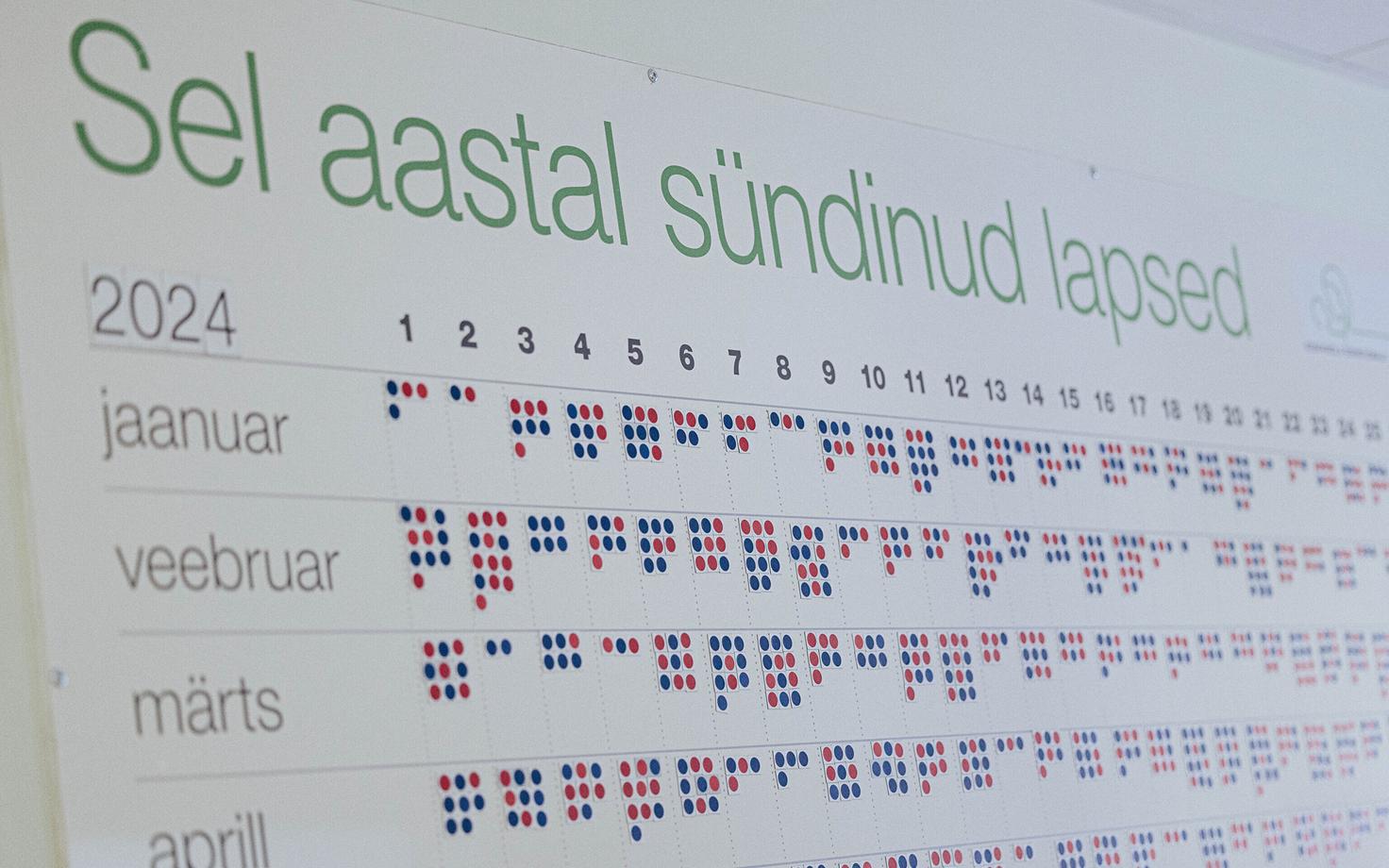
New research indicates women in Estonia were more likely to have a third child after the country introduced an additional large-family benefit in 2017.
The policy also appears to have accelerated plans to have a third child, with women having their next child an average of about 20 percent sooner than before the reform, researchers at Tallinn University (TLÜ) and the Estonian Institute for Population Studies found.
"We're all aware that birth rates in Estonia have fallen to very low levels in recent years," said institute junior research fellow Tanel Paas. "But that doesn't necessarily mean the major family policy measures we've introduced have lost their impact or become unnecessary."
Previous assessments of the large-family benefit tracked changes in the number of third births but could not establish whether the measure actually made women more likely to have another child or simply accelerated the birth of already planned children.
Earliest benefits substantial at the time
Paas and his colleagues analyzed registry data for women born between 1967 and 2005, covering the years 2005 to 2024.
The study compared the pre- and post-reform childbearing patterns of several hundred thousand women who had one or two children. Using a statistical model, the researchers sought to distinguish an increase in the likelihood of having a third child from a shift in its timing.
When first introduced in 2017, the large-family benefit (lasterikka pere toetus) paid families with three to six children €200 a month and those with seven or more children €400. Combined with other regular child benefits, monthly support from the state could reach €500.
Paas said the extra benefit was substantial at the time, equivalent to 41 percent of the average gross monthly wage and 106 percent of Estonia's minimum wage.
In 2023, large-family benefits were bumped to €650 for families with three to six children and €850 for those with seven or more. The following year, however, the next government cut both rates by €200, bringing them to €450 and €650, respectively.
Second children less likely, but third more likely
Paas and his colleagues used registry data to assess whether the benefit made women more likely to have a third child or simply brought forward having kids that were already planned.
Researchers found that the reform increased the likelihood of a third child by about 4 percentage points. Their analysis also found a reduction in poverty among larger families.
For comparison, they found that the likelihood of a second child among women with one child fell by 1.8 percent over the same period. Paas said the findings nevertheless suggest the benefit achieved its goal of encouraging more births.
"As a result of this reform, at least 2,000 more children may have been born between 2017 and 2024 than otherwise," he said.

However, the benefit's impact has diminished over time, partly because its value has not kept pace with rising prices and wages. Subsequent changes to the system in 2023 and 2024 may have also weakened families' confidence in its stability, Paas noted.
To maintain a lasting effect, he argued, benefits need to retain their real value through either regular increases or indexation.
Cuts can undo positive impacts
Alongside domestic data, the Estonian researchers also reviewed international studies of similar family policy measures. Findings vary, with some showing lasting positive effects, others only temporary gains and some no measurable impact at all.
Measures specifically targeting third and subsequent children tend to produce more positive results, Paas said, while smaller benefits relative to the cost of raising children are more likely to have limited or short-lived effects.
International research also suggests that increasing benefits can boost birth rates, while cuts can have the opposite effect.
"Some studies have even found that the negative impact of cutting benefits can outstrip the positive effects of having introduced them," he noted.
Researchers urge greater stability
Paas urged policymakers to approach changes to family policy carefully and ensure that benefits are both substantial and predictable.
"If we want benefits to have a long-term impact, they need to keep up with the times, and families need to know they can count on these measures continuing," he said.
Paas warned Estonia's birth rate could still fall further regardless, pointing to some Asian countries with even lower rates.
Improving the situation at home, he said, will require continued development of family policy, rather than treating the introduction of one major measure as a job done.
"We cannot assume that once we've introduced one major, costly measure, our family policy is complete and we can put that issue aside," the junior research fellow said.
Paas and his colleagues Allan Puur and Mark Gortfelder published their findings in the journal Demographic Research.
--
Editor: Aili Vahtla


