Patient healthcare compensation claims on the rise, but many rejected
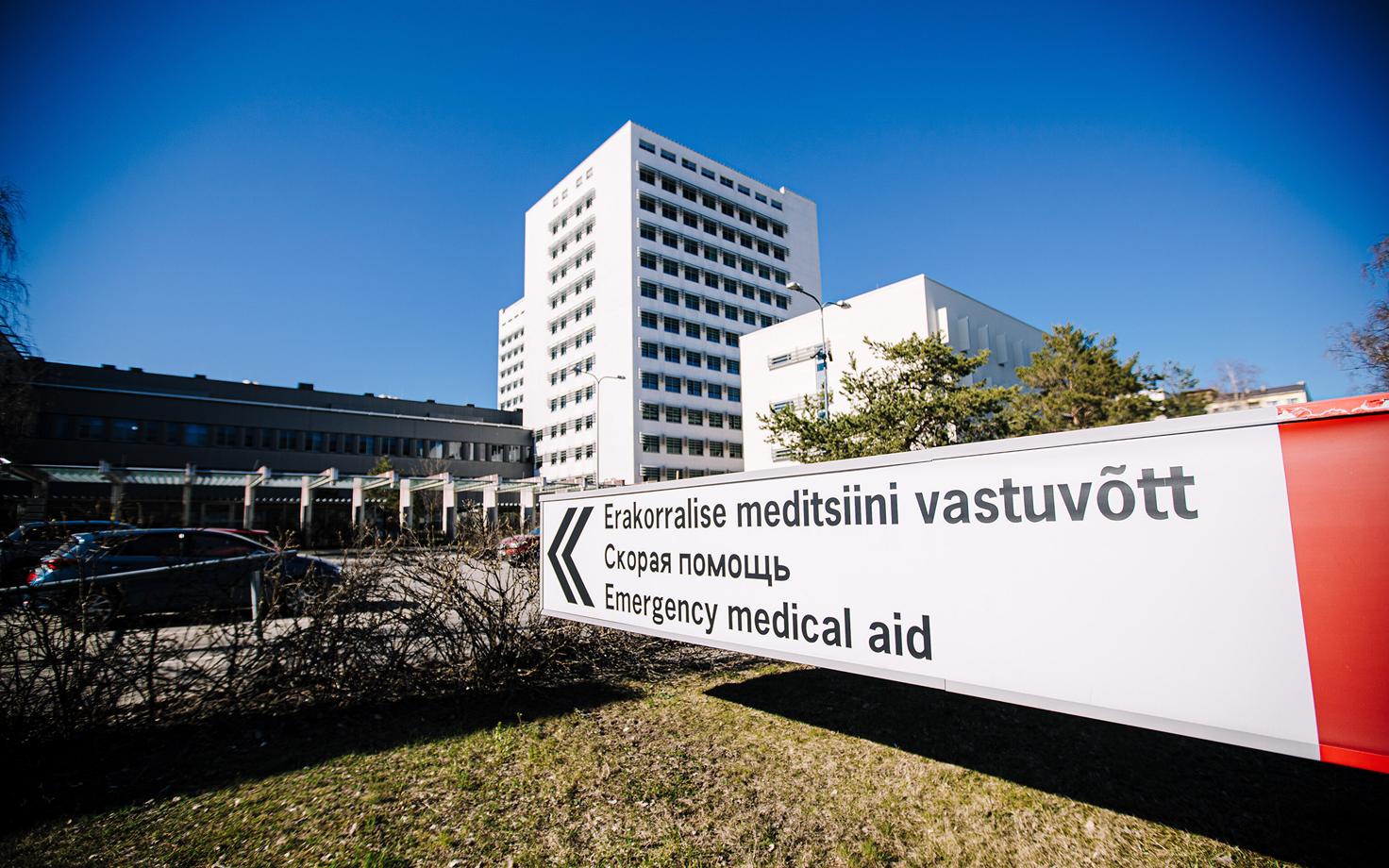
Claims against healthcare providers have grown steadily in the nearly two years since the patient insurance system came into force, and so has the number of rejections.
"Looking at recent developments, the positive thing is that healthcare providers have adapted to the new regulation and everyone who must have patient insurance has signed a contract," Kairi Ruhno, service manager at the Health Board's (Terviseamet) healthcare services department, said.
Statistics also show patients are increasingly aware of patient insurance and are better able to use it.
"Whereas the previous healthcare quality expert committee got around 200 applications a year, in the first full year of the patient insurance system more than 400 compensation claims were filed with insurers. In the first ten months of this year, more than 660 applications have already been submitted," Ruhno said.
Ruhno stressed it is important to understand that not every treatment outcome that falls short of expectations automatically means a medical error occurred or an insurance claim can or should be made; simply that patients must have a clear and workable route to claim compensation for actual harm.
"Going forward, we see the greatest need for development in raising awareness. On the one hand it is important that healthcare providers understand the broader purpose of patient safety and the insurance system. On the other, patients' awareness of their rights and of how patient insurance works must increase, including which cases constitute an insured event and which do not," Ruhno went on.
Insurance market opening up
When liability insurance was introduced in Estonia over 20 years ago, in November 2004, there was only one option on the market, from insurers PZU. Now a PZU product and a new provider have been added, while market participants believe new insurers and products will ease the burden on healthcare providers and offer more flexible choices.
Liisi Murde-Parvell, a patient insurance expert at broker IIZI, said significant shifts have taken place, with Lloyd's entering alongside PZU and its terms now fully brought into line with the law. The arrival of new providers has ended PZU's monopoly, and brought prices down, though the market will take time to settle. "Pricing is difficult at the moment. The healthcare provider liability insurance product is entirely new, and there is very little earlier statistics to rely on. It is more other countries' practice," Murde-Parvell said.
Although premiums in the early years were high because of how the products were structured, she is optimistic. "This year the situation is already certainly considerably better and I believe next year it will be better still. There will probably be more new entrants by next year," Murde-Parvell said.
Because the statutory liability period is ten years, full statistics and clarity will take time to accumulate. "Complete knowledge of how many claims come and how many of them are actually justified will develop over years. And once it has developed, pricing will certainly be more transparent and easier to understand, and perhaps fairer too," she said.
Statistics: 75 percent of claims rejected
The Health Board publishes real-time statistics on its website on the application of patient insurance and the processing of claims.
From November 1, 2024 to October 27, 2026, a total of 1,148 compensation claims were submitted to insurers. Completed proceedings account for three-quarters: 863 claims have been reviewed, or 75.2 percent of all applications, while 285, or 24.8 percent, are still in progress.
Most claims are rejected. Of the 863 processed, 226 qualified as insured events, or 26.2 percent, while 637, or 73.8 percent, were not upheld. Across all claims submitted, upheld cases account for 19.7 percent and rejected ones 55.5 percent.
As many as 84.16 percent of compensated cases stem from direct medical error in diagnosis or treatment. Second among compensated cases are healthcare-associated infections at 9.5 percent, and wrong or unsuitable medicine or wrong dose at about 4.5 percent.
Nearly 59 percent of compensated cases fall into the middle damage category. Serious, irreversible or life-threatening harm accounts for about a third, 32.2 percent, of recognized claims. Minor harm accounts for under a tenth, 9.5 percent, suggesting claims are often not filed for lighter consequences or fall below the statutory compensation threshold.
A total of €1,077,228 has been paid out to patients. The average per compensated case is €5,886, and the largest single payout is €32,652.
The most claims were filed against emergency medicine departments, 180, which also produced the highest absolute number of insured events, 46. Family medicine is second by number of claims at 159, but its approval rate is exceptionally low: of 121 completed proceedings, only 12, or 9.9 percent, were recognized as insured events.
In orthopaedics, 34.6 percent, general surgery, 35.1 percent, obstetrics, 29.8 percent, and maxillofacial surgery, 31.6 percent, the approval rate remains steadily around a third.
More claims in 2026
As of 11 months into 2026, 664 compensation claims have been filed with insurers, exceeding the whole of 2025, 469 claims, by more than 41 percent.
Where only 29 claims, 6.2 percent, were unresolved in 2025, 256, or 38.55 percent of all applications, are in proceedings in 2026 — pointing to a multiplied workload for processors and to the fact that the speed of decisions cannot keep pace with the inflow.
Where family medicine was second by number of claims in 2025 with 56, in 2026 it has risen to first with 103. At the same time its approval rate has remained marginal.
The Health Insurance Fund (Tervisekassa) paid healthcare providers €6 million in 2025 to cover patient insurance costs, and €6 million is planned for 2026. Providers must add the same amount again from their own budgets each year, because the Health Insurance Fund covers up to 50 percent of the premium. That made last year's total insurance cost to the Estonian healthcare system an estimated €12 million.
--
Follow ERR News on Facebook and Twitter and never miss an update!
Editor: Andrew Whyte


