Waiting list for specialized care may outlast those needing it
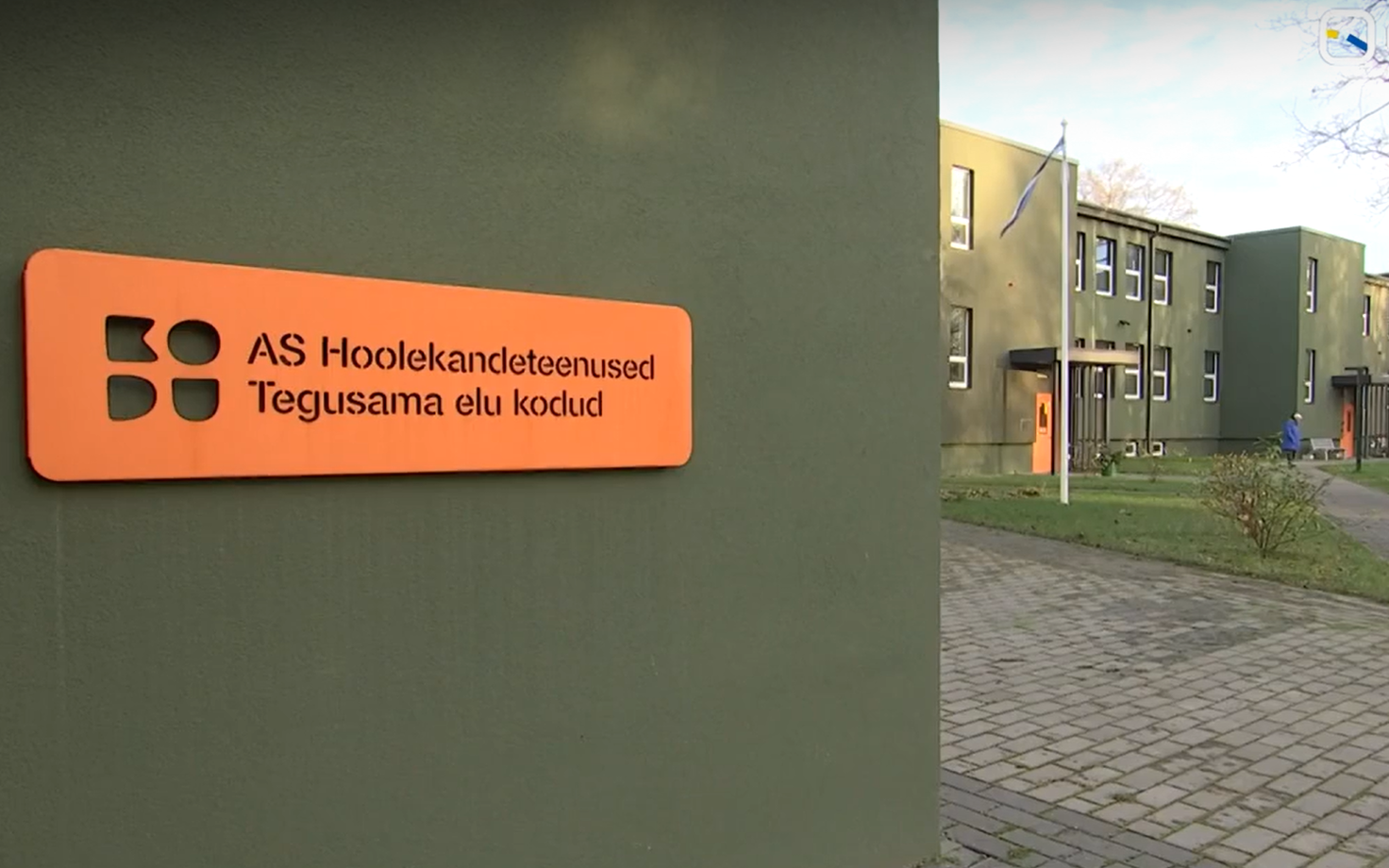
Specialized care funding in Estonia is so lacking that around 2,000 people in need of assistance are waiting for services.
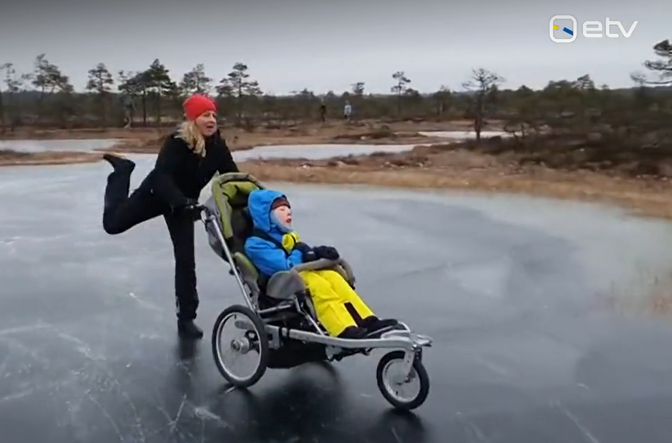
One such person is Alex, a young man with a profound disability who needs round-the-clock care.
Alex, 19, was born extremely prematurely, suffering severe brain damage as a result, "Aktuaalne kaamera" reported. Alex needs assistance with everyday activities including eating and getting dressed.
Alex's mother, Merje Liiv, said she cannot even get to do household chores while looking after Alex as he needs her by his side constantly. "He has epileptic seizures, he gets tired of being in one position, and I have to monitor him all the time," Liiv said, adding she needs to be present not only physically but also mentally.
"I am his link to the world, I am his eyes and hands," she went on. Liiv also provides her son with emotional experiences. "Alex is very grateful that he hasn't been left somewhere in the dark, and that people engage with him, and he enjoys that," she continued.
The family had assumed that once Alex finished school, he would enter specialized care. Specialized care services are primarily intended for people with severe mental disorders or intellectual disabilities who cannot get the assistance they need via other social welfare measures and channels. However, it turned out that Alex's case was too severe and he was not eligible for the service.
"Obviously, our sense of security disappeared immediately as we had been counting on it," Liiv noted. She added that being denied the service came as painful for the family. What hurt most, however, was the realization that for as long as Alex was of compulsory school age, the law required the state to acknowledge his existence. Once compulsory schooling ended, he was essentially written off by the state, however.
"For them, Alex was a client who was too complicated, but not so complicated that he should be left entirely in his family's care. That was what hurt," Liiv recounted.
Her local municipality then assigned Alex a personal assistant who visits him on weekdays. More broadly, however, there is a growing problem of people not fitting into predefined categories and being left without the support they need.
The problems facing specialized care can be summed up as chronic underfunding. This has led to a situation in which more than 2,000 people in need of assistance are waiting for services.
Ragnar Vaiknemets, board chair of social services organization AS Hoolekandeteenused, said if someone puts a child or other family member on the waiting list for specialized care nowadays, that person may not even get a place within their lifetime.
"As harsh as it sounds, there is currently no regular triaging of the waiting list, as there is in healthcare," he explained.
Vaiknemets noted that people's need for assistance is not reassessed regularly. He said there are clearly too few places, particularly for certain services, such as those intended for people with autism or multiple disabilities. These are cases in which people require the service throughout their lives.
Currently, priority on the waiting list for specialized care services is determined primarily by when a person was added to the list, rather than how urgently they need assistance. The Riigikogu's Social Affairs Committee is working on a bill which would require waiting lists to take into account a person's actual need for the service, rather than simply the date they joined the list.
In spring this year, the Supreme Court issued a landmark ruling stating that if a person needs a place in a specialized care home, the state must provide it. People in need of assistance cannot be placed on an indefinite waiting list on the grounds of insufficient funding or a shortage of places.
While the 2027 state budget bill has passed its first reading, funding for specialized care within the bill and over the wider picture remains disputed. €200 million is needed over four years, yet only €37 million in additional funding has been allocated to the entire social affairs and healthcare sector. Also, it is not yet known how much of that €37 million is intended for specialized care.
Opposition Social Democrat MP Riina Sikkut noted there should not be a situation where people in need of assistance get asked why they did not lose their mobility in the first half of the year, when funding was still available, rather than at the end of the year, by which time the funding has run out.
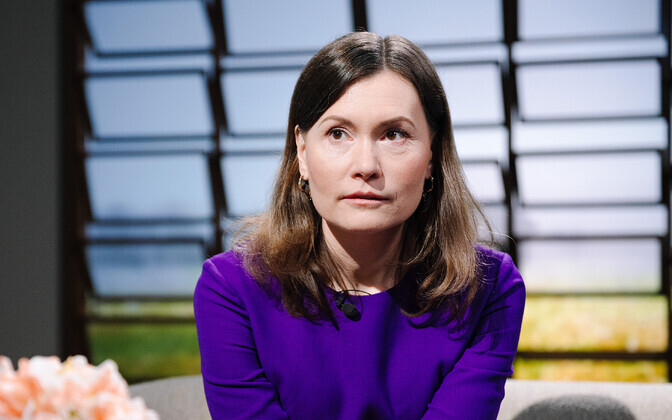
"Wait until the new year for your crutches, wheelchair, orthosis or whatever other aid you need," she said, noting that this is exactly what is now happening with regard to specialized care.
Sikkut said a fixed amount of money is allocated in the budget, and services are provided only to the extent that this funding allows.
"If more people need assistance, or the need for assistance is greater than what we can provide with the money allocated in the budget, then we tell them to wait in line," she said.
According to Sikkut, a former health minister, the solution is not to wait a year or two or ask people in need to find some other arrangement. "In reality, there is no other solution," she said, adding that people in need of assistance require services specifically suited to their needs.
The government in the 2027 state budget bill set aside €7.4 million in a reserve for the social affairs sector. This is intended for negotiations with the opposition to secure parliamentary support for the minority government's budget.
"I have never seen anything like this in my life, where state budget problems are resolved via an unallocated reserve left for the Riigikogu to decide on," Sikkut noted.
Even an MP from the coalition Reform Party was critical of the situation. Signe Riisalo (Reform), chair of the Social Affairs Committee, said that if she were a minister, she would have included such an important issue in the state budget so that the Riigikogu could decide on it in the same way as the rest of the budget.
"I would not have left it unresolved," she added.
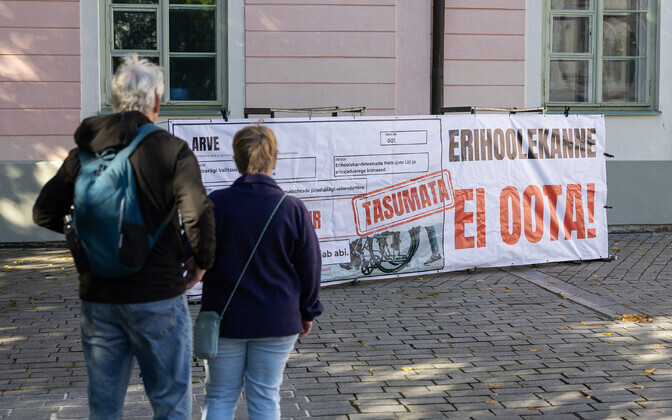
Riisalo, a former social security minister, noted that allocating at least the existing €7.4 million from the state budget for next year, followed by the same amount in subsequent years, bringing the total to €37 million over four years, would make it viable to create some new places. She added that it would also allow for a modest pay increase, as staffing is another major concern.
Vaiknemets said that if the social affairs sector as a whole does not receive the funding it needs, the problem will eventually return back to the state.
"It will come back to the state in the sense that people will start knocking on more doors: calling ambulances and the police, visiting healthcare providers and local municipalities, trying to get help somewhere," Vaiknemets explained.
He added that people who cannot access services or receive assistance do not simply go away.
Vaiknemets said the need remains and is if anything likely to become even greater. According to him, the state will end up using very expensive resources to pay for problems that could have been prevented.
"As the saying goes, we'll end up using a laptop to hammer nails into the wall," Vaiknemets concluded.
--
Follow ERR News on Facebook and Twitter and never miss an update!
Editor: Andrew Whyte, Merilin Leetna
Source: 'Aktuaalne kaamera'


