Young people grow out of peer pressure shenanigans
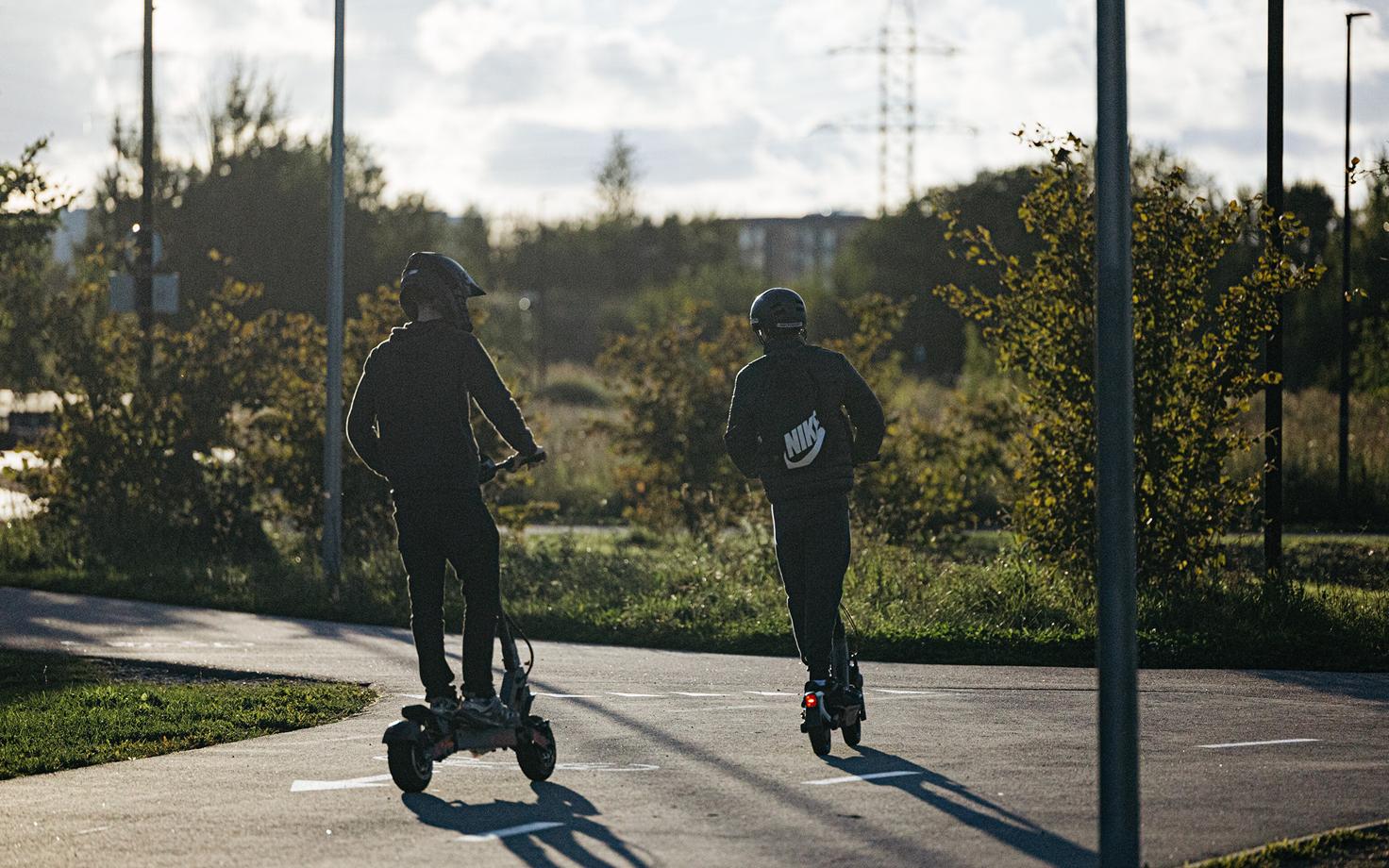
Most young people who break the law during adolescence eventually grow out of such behavior, with support, family relationships and teaching responsibility more effective than harsh punishment, experts say.
In criminology, there is a principle known as the age-crime curve, according to which young people's propensity for risk-taking is temporary. "People are most active in terms of criminal activity or breaking the law in their 20s. [...] Activity rises along this curve and then declines," criminologist Anna Markina explained on Vikerraadio's "Teise mätta otsast" program.
Nearly 80 percent of young people test boundaries during adolescence but move away from criminal behavior as they reach adulthood. Only a small proportion continue to lead troubled lives. According to clinical child psychologist Iiris Velling, this means that not every violation of the law warrants harsh punishment.
Teenagers often break the law to gain approval, recognition and a sense of belonging among their peers. "When young people make the decision to break the law in a particular moment, they don't even think about the long-term consequences," Velling noted. Social media amplifies this desire, as young people gain new followers and social capital by posting videos of their misdeeds.

Alongside their friends, the urban environment and leisure activities also influence young people's behavior. "At some point, our society decided that shopping malls would serve as public spaces. [...] These are now the public spaces where our young people gather," Markina pointed out. In such settings, boredom and peer pressure often lead to conflicts, with what begins as innocent recreation ending in young people damaging other people's property or shoplifting.
Don't punish, react!
Rather than focusing on punishment, Estonia has opted for an approach centered on responding to young people who come into conflict with the law. Since a reform introducing special treatment for minors took effect in 2018, Estonia's child protection and justice systems have dealt with each young person in a way tailored to their individual needs. "Punishment is generally understood to mean detention facilities. [...] However, we only use these when other measures cannot influence a child's behavior," Markina explained.
According to the criminologist, traditional prison sentences do not rehabilitate young people but instead make a criminal identity part of their personality. Behind bars, young people form new connections with peers from similar backgrounds. "When they are released, the consequences can be even more devastating for both the young person and society as a whole because they begin reinforcing each other's behavior," Markina explained.
According to Iiris Velling, rather than talking about punishment, it would be better to focus on consequences and teaching children to take responsibility. "Very often, we expect children to be punished for their actions. At the same time, we very often forget that many of these acts are not repeated by young people," she noted.

Home ultimately the biggest influence
Both guests agreed that the example set by adults has a significant influence on young people's behavior. Velling noted that children constantly imitate their parents' everyday choices. "When you're crossing the street with a small child, you see adults crossing against a red light or crossing in the wrong place. We know how important road safety is. Yet everyone is in a hurry without necessarily realizing it and people don't notice who is watching them, how they're crossing or where they're running across the street," she said.
Anna Markina also emphasized that whether young people behave with care or disregard for others begins at home. If parents tell their children not to use violence but resort to it themselves, that behavior carries directly over into interactions among young people. "Children see very clearly when violence is used to resolve conflicts or problems," the criminologist said.
According to the guests, young people who get into trouble often need support and help themselves. "Young people who end up in prison [...] are all very different, but one thing they have in common is that they all need love," Markina pointed out.
Velling agreed that many young people lack warmth at home and seek a substitute for the family they are missing in groups of peers. "The environment surrounding the family is also important. I know several families who have moved away because the neighborhood they lived in was not conducive to their child's development," the psychologist said.
To reduce crime, society needs genuine interest and empathy rather than condemnation. In the long run, family values can outweigh the negative influence of peers if parents maintain a trusting relationship with their children. "Research shows that [...] although friends' approval and belonging to a peer group are very important at a certain age, family values ultimately tend to prevail," Velling said.

--
Editor: Marcus Turovski