Expert: Violence is a learned behavior, not inevitable
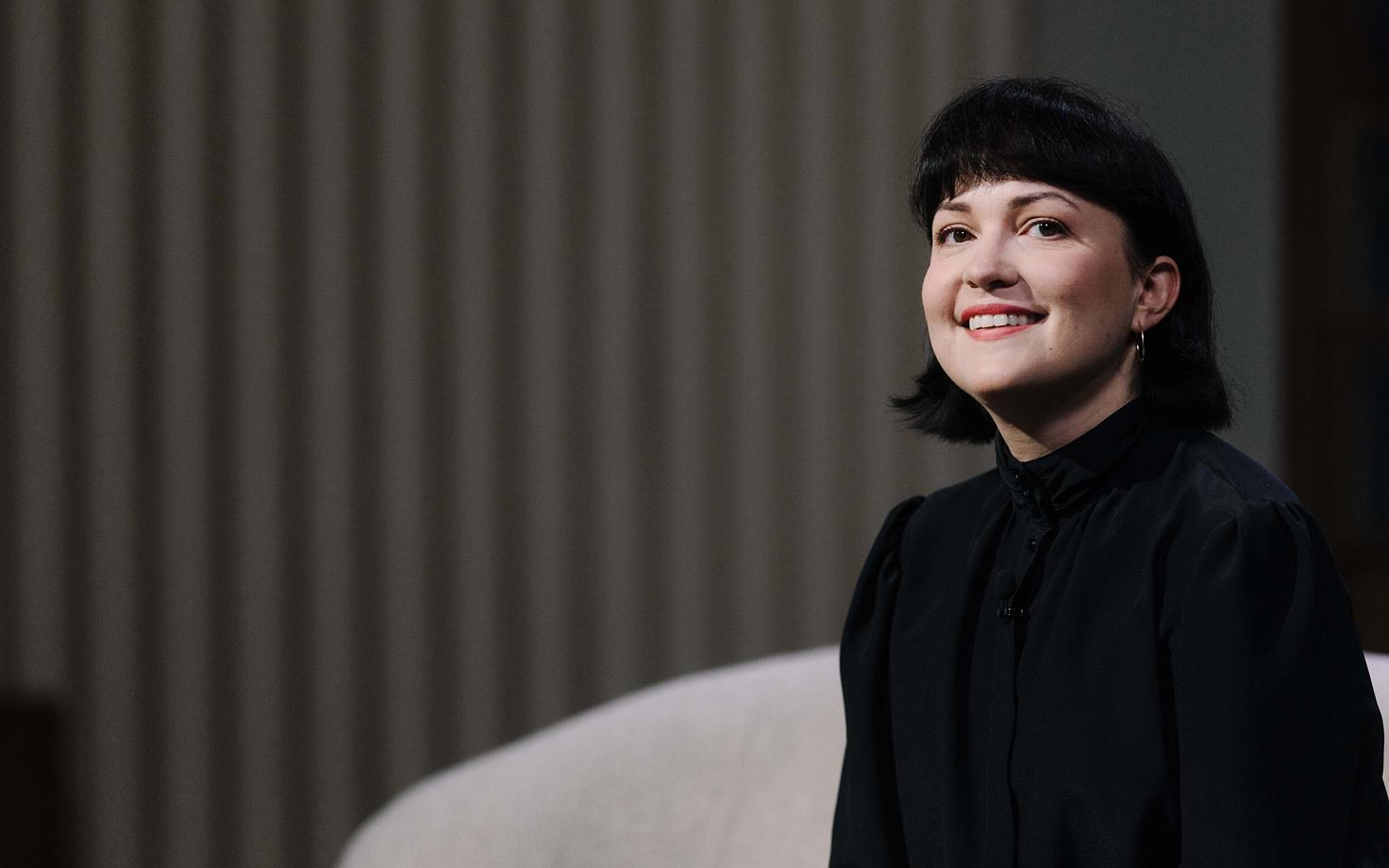
Domestic violence prevention expert Hannaliisa Uusma said that violence is passed down from generation to generation, but violent behavior remains a matter of individual choice. Estonia lacks a support system for helping perpetrators stop being violent, she noted.
A report by the think tank Foresight Center shows that awareness of domestic violence has increased, but the forms it takes are changing faster than support services can adapt.
"The report confirms that domestic violence is a major problem in Estonia. It could even be described as pandemic in scale. It has a brutal and devastating impact on people's lives, but it also leaves a significant mark on Estonian society as a whole," noted Uusma, head of domestic violence prevention at the President Kaljulaid Foundation.
Domestic violence costs Estonia roughly €250 million a year, or about €750,000 per day. This is calculated based on its impact on the social welfare system, police services, healthcare workers, and employment, including leave taken and absences from work due to violence.
The report also found that Estonians are reluctant to seek help.
"Around 80 percent of people suffering from domestic violence never take that first step and remain without assistance," Uusma said.
The report further shows that when people seek help from organizations they generally trust, such as the police, prosecutors, and the healthcare system, their trust in those institutions often declines sharply after the experience.
"At the same time, trust in Ohvriabi (Victim Support) services and women's shelters increases. That raises the question of whether other support organizations could do more to ensure people feel they can trust them and recommend them to others, rather than sharing negative experiences," Uusma noted.
The profile of victims' needs has also changed, as have some of the forms of abuse they face.
"Mental abuse, psychological terror, and cyberviolence have become even more prominent. Cyberviolence is not a separate category of abuse but rather a way of carrying out different forms of violence through technology, allowing perpetrators to follow victims everywhere. It is a truly devastating tool," Uusma said. "Psychological abuse is also difficult to investigate."
According to her, this makes trauma-informed training and awareness among specialists more important than ever.
Violence is often passed down through generations.
"Violent behavior is largely learned behavior, but it is still a choice. People can unlearn it. Estonia lacks a support system for helping people stop being violent. If we focus only on victims, we place all responsibility on them, even though it is extremely difficult to break out of the cycle of abuse, with or without support," Uusma explained.
"What is still missing in our society is the willingness to seek help proactively, before things get out of hand. I truly believe there are young adults in Estonia who grew up in difficult homes and, when they have their first children, want to become better parents. A masculinity study by Praxis shows that many men see becoming a parent as an especially open and meaningful period in their lives, a time when they are motivated to make positive changes," Uusma said.
"In general, major social changes require about a decade of sustained and systematic effort before real change takes hold. I think we have now completed one such decade, and issues related to domestic violence are more visible than ever before," Uusma concluded.
--
Editor: Annika Remmel, Argo Ideon
Source: ERR interview by Kirke Ert and Taavi Libe


