Dentist: No store-bought whitening product can actually brighter your teeth
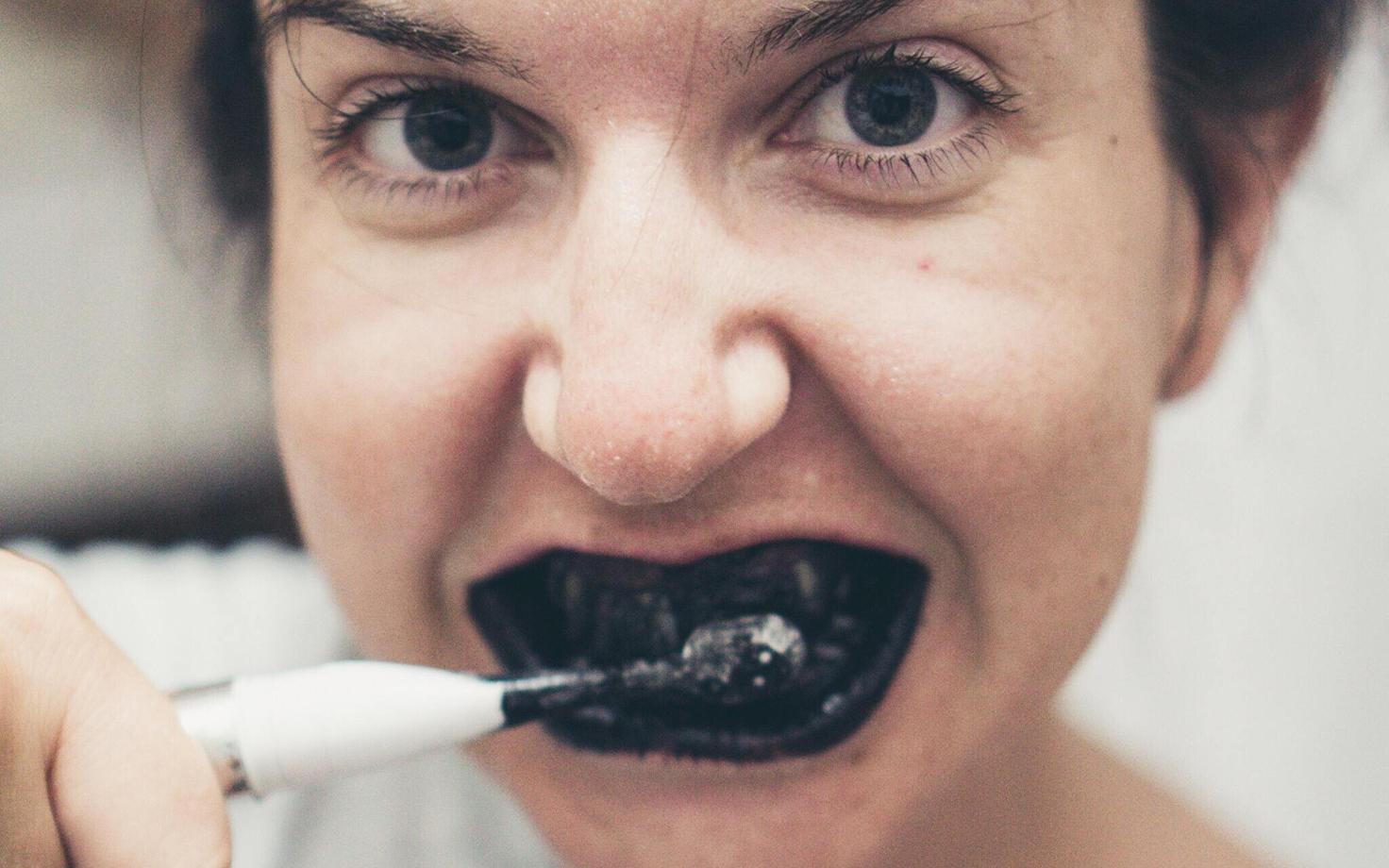
Store-bought teeth-whitening products may be ineffective or even harmful and people should consult a dentist before attempting to whiten their teeth at home, dentist Anasstasia Kuldmaa warns.
"I think it comes down to our natural, genetic desire to look at young people. The younger a person is, the more beautiful they are: Their teeth are whiter, their skin is smoother and their eyes sparkle," dentist Anastassia Kuldmaa said, explaining where our desire for white teeth comes from.
On the one hand, dentists are pleased when people pay attention to their teeth. At the same time, Kuldmaa said the desire for whiter teeth makes her somewhat sad because all teeth-whitening products are classified as cosmetics and are not sufficiently regulated. "Instead of going to a dentist and asking what they should do to make their teeth whiter, people seek advice from store employees who make recommendations based on advertising or things they have heard online," Kuldmaa said.
Teeth whitening should always begin with a consultation, particularly since regular dental visits are necessary anyway. "You should find out whether your teeth might simply need cleaning. Perhaps your teeth are already naturally white, but yellow pigmentation has built up over time. A cleaning alone may be enough to bring back a bright white smile," the dentist said.
According to Kuldmaa, whitening agents are sometimes necessary, but the European Union prohibits the sale of peroxide-containing whitening products outside dental practices. "That regulation came into effect 20 years ago. Whitening products sold in stores do not actually whiten teeth. They might remove surface stains or create an optical illusion, as with purple toothpaste, which temporarily deposits purple pigment on the tooth surface. For about half an hour, teeth appear whiter because purple counteracts yellow to the human eye, but the pigment eventually washes off," Kuldmaa explained.
The dentist emphasized that people should be very confident about the manufacturer of anything they put in their mouths because some of the substances are absorbed through the mucous membranes and some are swallowed. "Would you be willing to scrape the substance off a whitening strip and eat it? Because that is essentially what happens. If you keep it in your mouth for half an hour, you end up swallowing most of it," Kuldmaa said.
The first step is to visit a dentist to determine whether whitening is appropriate. "For example, if someone has crowns or very large fillings, those will not change color, regardless of what whitening product is applied," the dentist pointed out.
Kuldmaa said patients can obtain custom whitening trays from their dentist if necessary. "You put gel into the trays, and that whitens the teeth. The dentist also provides specific instructions. Dentists want their patients to have white teeth. We are not against whitening, but charcoal toothpastes and cleaning teeth with baking soda, which some people do at home, can damage the tooth surface. Anything abrasive will scratch it. Ultimately, stains adhere to the surface much more quickly and the teeth become more sensitive as well," the dentist warned.
"To actually change the color of teeth, you need to use either hydrogen peroxide or carbamide peroxide. With any store-bought whitening product, you should always check who manufactures it because you are putting that substance into your body," Kuldmaa said.

--
Editor: Marcus Turovski, Annika Remmel


