Scabies cases surge across Estonia as treatment proves tricky
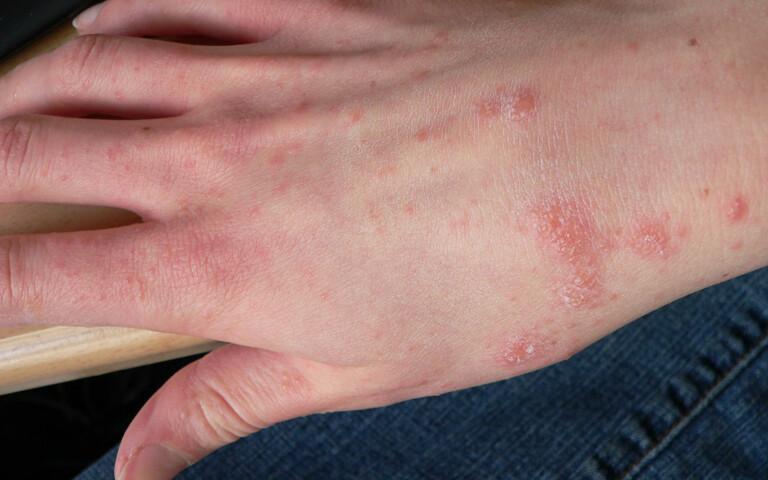
Estonia is seeing a surge in scabies cases, with doctors warning that reinfection and treatment failures are making the infestation difficult to contain.
Scabies has been spreading across Estonia and elsewhere in Europe for several years, and family doctor Piret Rospu said the situation is now approaching epidemic proportions.
"Doctors across Estonia are reporting high numbers of cases, with entire families and groups affected," she said.
The infestation of human itch mites often affects kindergarteners and other children, leaving families embarrassed to disclose it. But scabies is not a sign of poor hygiene or poverty; it spreads through close contact.
Rospu urged parents to inform school nurses or teachers of suspected cases so other families can watch for symptoms.
"There's no need to name or shame anyone, but hiding the truth doesn't help anyone either," she stressed.
Treatment must also include people who have close contact with an infected person, even if they do not live in the same household. This can include babysitters, partners and even wrestling teammates.
"The spaces between the fingers are a common site for scabies, and the infestation can often spread when people hold hands," Rospu said.
Many patients won't seek medical help for scabies until after over-the-counter (OTC) treatments fail to clear the infestation or the symptoms return.
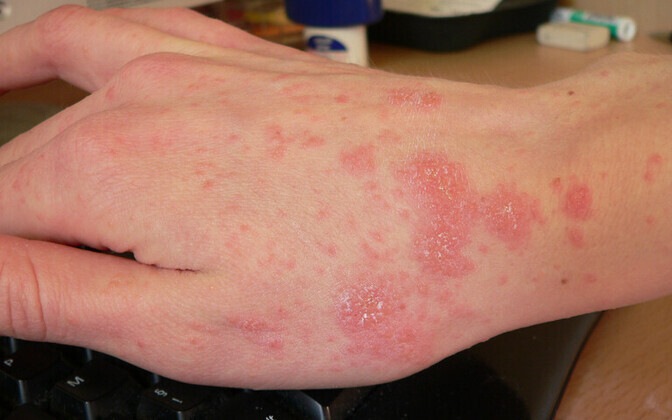
It is unclear why treatment often fails: either the mites may have evolved to become more resistant, or patients may not be following treatment instructions correctly, she added.
Thorough treatment vital
One challenge is the long incubation period. People often make the mistake of treating only household members who already have symptoms, while others may already be infected but not yet itching.
The mites burrow into the skin, causing intense itching and a telltale rash, but they can also survive on everyday items. Clothing, bedding, upholstered furniture and children's stuffed toys all need to be thoroughly cleaned to prevent reinfection.
Rospu recalled patients who had picked up scabies again from unwashed sportswear, sneakers or soccer shin guards.
Everyone in close contact with an infected person must also be treated on the same day, even if they have no symptoms. Otherwise, the infestation can pass back and forth as symptoms emerge in people who were still in the incubation period.
"One person gets better, but then someone else develops symptoms and passes it right back to them," she explained.
The only way to get rid of the mites for good is for everyone in close contact to apply the treatment cream starting on exactly the same day.
--
Editor: Jaan-Juhan Oidermaa, Aili Vahtla


