Minister: I understand Narva's concerns, but Estonia's security is more important
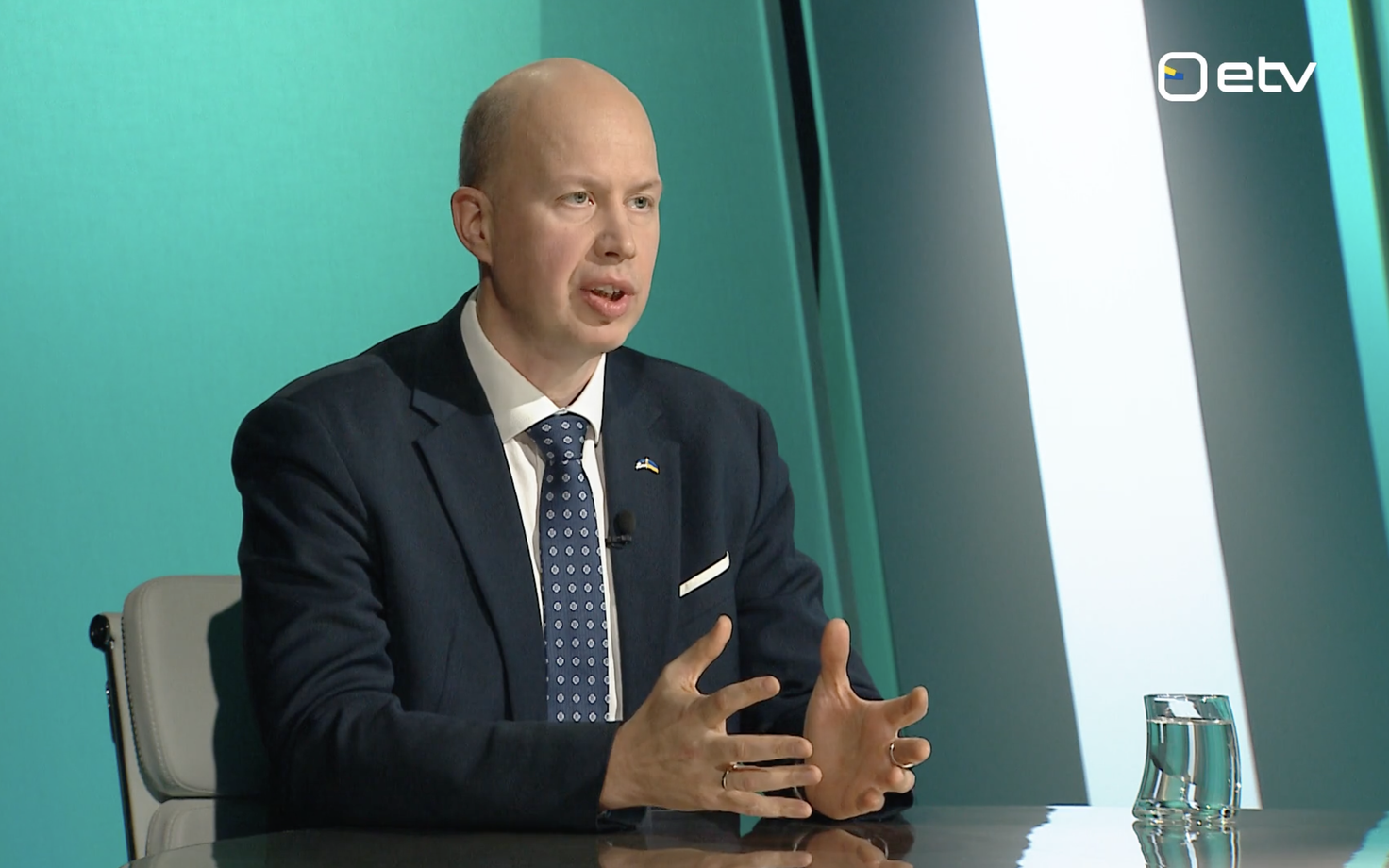
Minister of Interior Igor Taro (Eesti 200) said he understands the concerns of Narva residents over the planned closure of the eastern border, but said the government must prioritize the safety of all Estonian residents.
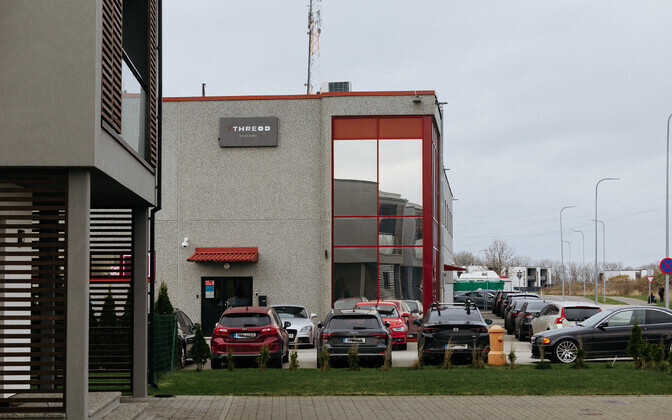
On Saturday night, an attempt was made to set fire to the Threod drone factory in Viimsi. The Internal Security Service (KAPO) said the attack was ordered by Russia, and the government wants to respond by closing the border with Russia.
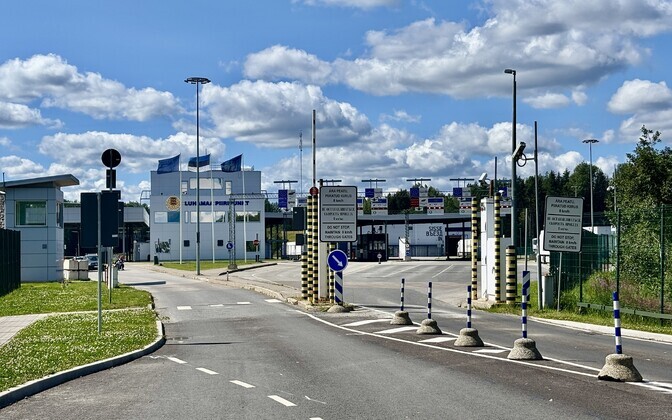
Although the saboteurs did not cross the Russian border, Taro said the necessary analysis has been carried out and shows that there are now grounds to close Estonia's land borders at Narva, Luhamaa and Koidula from December 1.
"They did not cross the Russian border, they came across the Latvian border, but Russia ordered the operation. What has changed is that we have been subjected to two very specific attacks. That is the change," Taro said on Tuesday's "Esimene stuudio."
He said the attack on the Threod must not be treated as an isolated incident, as Russia wants to divide the whole of Europe.
"They have said so themselves, they made their plans public quite some time ago, saying that all organizations and companies that support Ukraine to any extent are legitimate targets. We must look at the bigger picture and ensure that not only Estonia but the whole of Europe is an unfavorable operating environment for Russian intelligence services," Taro said.
However, the interior minister does not think it is necessary to close the border with Latvia, as the two countries cooperate well and law enforcement agencies are able to mitigate threats.
"As for the Russian border, an open border crossing point and traffic across the Estonian-Russian border always pose an additional risk. We have deployed an enormous amount of resources to border surveillance, customs checks and counterintelligence to mitigate these threats. You may have heard that our border controls are currently among the strictest in the world. The capacity of border crossing points is extremely low, everything is checked very thoroughly, and both vehicles and people go through X-ray screening. This requires enormous resources. If we see that we need to start dealing with a greater challenge, where Russia is targeting not only Estonia but Europe and NATO more generally, then we need to minimize these risks. The simplest and most effective way to minimize these risks across our border is to close traffic there," Taro explained.
However, many Narva residents are concerned, as many regularly cross the border to visit relatives.

Taro said he understood their concerns but considers the safety of all Estonian residents more important.
"My task, however, is to stand up for the security and safety of everyone living in Estonia. This is where the decision must be weighed. The war that Russia has launched against Ukraine has caused suffering to very many people, not only in Ukraine but elsewhere as well. In our case, it brings inconvenience to certain people, but we must understand that the cause of this war and the entire situation is Russia's aggressive actions. That should not be forgotten," the minister stressed.
The recommendation to close the border came from one of Estonia's security agencies, he added.
"If we look at the broader picture, not just these incidents, from damage to our critical infrastructure to incidents at the border, we have always tried to respond very precisely, and that is what we have done. We have simply reached a situation where a security agency has also said that this is the right measure. It allows us to mitigate and reduce certain other risks and, among other things, sends Russia a very clear message that every action has a consequence and a price," Taro said.
The government will discuss closing the border indefinitely on Friday. Taro said time-limited restrictions have been tried before, but so far the other side has not taken such decisions seriously.
"We have imposed these three-month deadlines, but they have not borne fruit. We have had to extend them and introduce additional restrictions. The government can discuss this, and there are both pros and cons. I am inclined to think that if we look at the pattern Russia is pursuing, if it has already carried out kinetic attacks against our companies on two occasions... These are not some random border incidents like some of the previous ones we have had, where one might have asked whether someone had perhaps done something by accident. It is very difficult to foresee anything changing here in the near future, in three or six months. Rather, we are dealing with a long-term concern and challenge, and we probably cannot make a different decision until the circumstances we have discussed today no longer exist," the minister said.
The minister also confirmed that he informed the Latvian interior minister as soon as closing the border came onto the agenda.
"Of course, they were also informed about the joint operation. But as soon as the possibility of closing the Estonian-Russian border came onto the agenda, I passed that information on to him. For them, it is a matter for discussion whether they want to be the conduit or opening through which everything from Russia passes, both good and bad. Or whether they adopt a more unified approach and perhaps also impose restrictions or close everything altogether. That is their sovereign decision," Taro said.

--
Follow ERR News on Facebook and Twitter and never miss an update!
Editor: Helen Wright, Johanna Alvin
Source: Esimene stuudio, interview Johannes Tralla


