Artist Raivo Järvi's cheerful drawings masked a life marked by personal tragedy
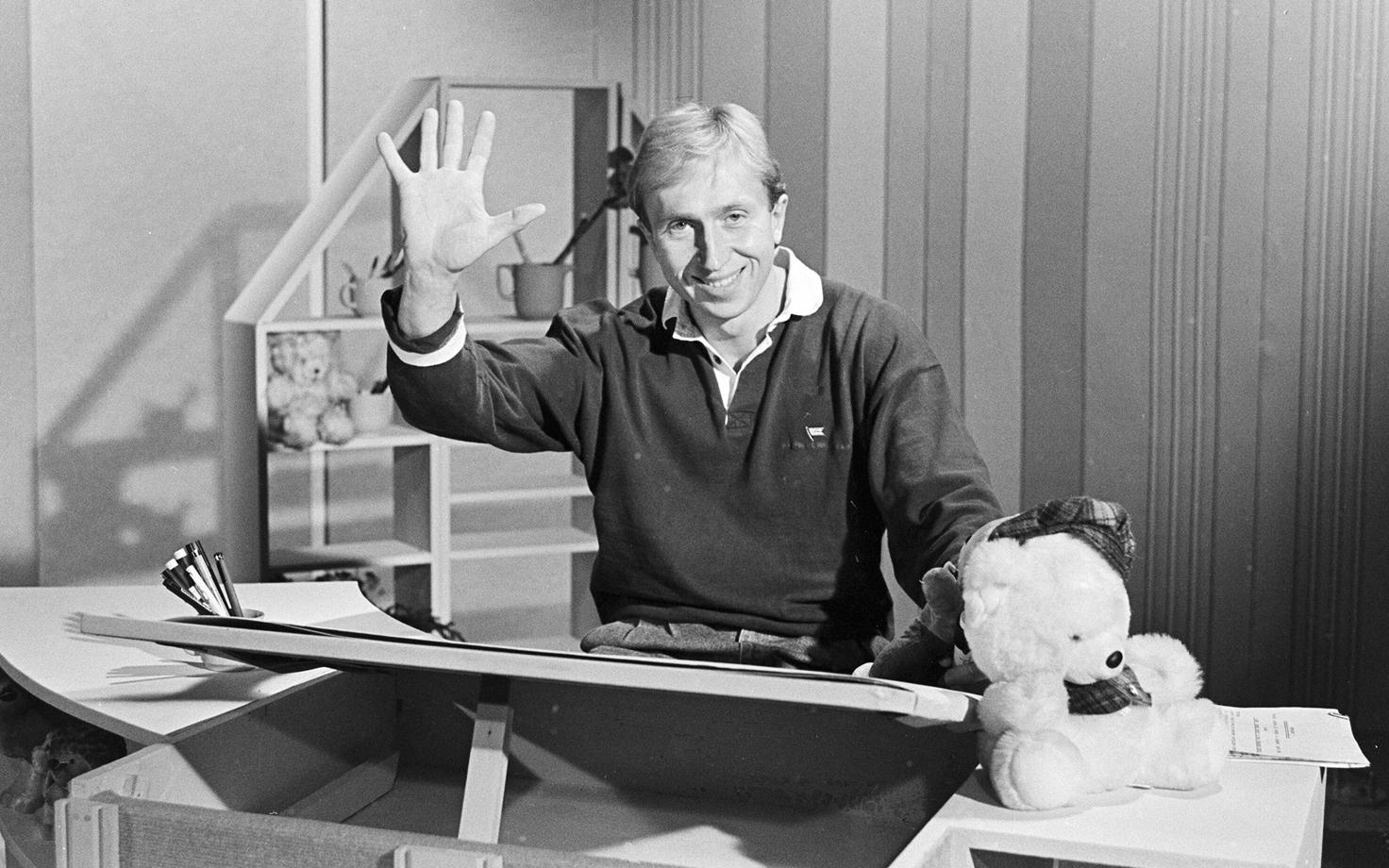
Generations of Estonians grew up admiring the comics and illustrations of artist Raivo Järvi, better known as onu Raivo (uncle Raivo). Over the course of two decades, he also became a familiar radio voice and later spent nearly a decade in politics.
A new exhibition opening Friday at the Tartu Art Museum, "Pildi ees ja pildi sees" ("In Front of the Picture and Inside the Picture"), sheds light on lesser-known aspects of Järvi's life and work, revealing a more complex and at times deeply tragic personal story.
Born in Pärnu in 1954 as the only child of a violinist father and a ballet master mother, Järvi showed an interest in art from an early age. According to family recollections, he decided to become an artist at around age five after his mother warned him that an actor's life was difficult.
While artists are often associated with bohemian lifestyles, Järvi was known for discipline and meticulousness. From earning top marks in school to refining artistic motifs throughout his career, precision was one of his defining characteristics.
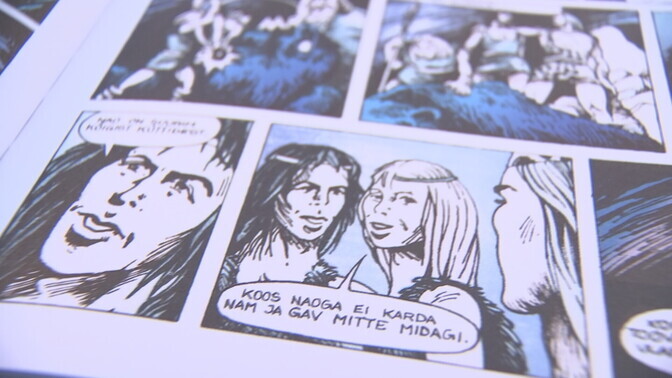
"It is a very interesting combination for an artist: meticulousness, a love of order and cleanliness. If you look at his graphic works, you see that same precision and stylistic purity," said his son, Richard-Erik Järvi.
Järvi's television career began almost by accident in 1977 while he was studying graphic arts at the Estonian State Art Institute (ERKI). When singer Voldemar Kuslap was unexpectedly unable to appear on the children's program "Laulujütsid," Järvi volunteered to draw with the children on air.
Over the next two decades, he became a beloved fixture of Estonian children's television, appearing in programs such as "Laupäeval koos isaga" ("Saturday With Dad"), "Kõige suurem sõber" ("The Greatest Friend") and "Jutupliiats" ("Story Pencil"). Viewers were particularly captivated by the drawings he created live on air, often completing elaborate characters before their eyes.
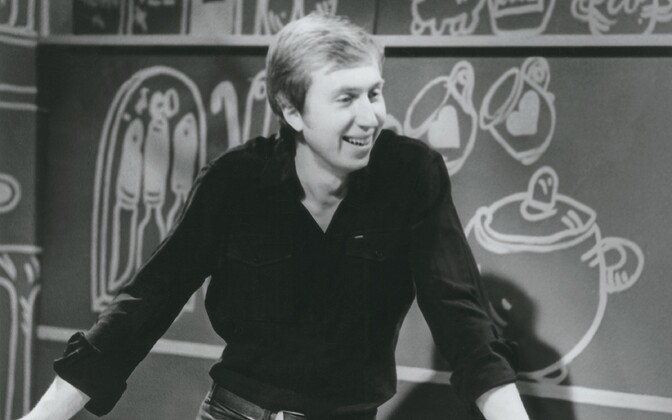
Exhibition curator Stella Mõttus said audiences frequently wondered whether the outlines of the drawings had been prepared in advance.
"But no, he simply practiced them an enormous amount beforehand," she said.
Yet behind his public success lay significant personal hardship. Biography author Piret Kooli, who interviewed nearly 40 friends and colleagues while researching Järvi's life, said he endured profound losses. His father died when he was just ten years old. Later, he lost his first great love, dancer and actress Raili, who drowned during a film shoot under circumstances that remained unclear.
Richard-Erik Järvi said his father rarely spoke about her, but it was evident that the loss affected him deeply.
"It was the hardest period of his life," he said.
Järvi's later relationships were also troubled. His relationship with a beauty pageant princess named Signe, the mother of his son Richard-Erik, was short-lived. As a child, Richard-Erik knew little about his mother and was largely raised by his father, with invaluable help from family friend Tiia-Liis Jürgenson.
Jürgenson, whose own son was born just a week before Richard-Erik, helped care for the infant and later became a central figure in his upbringing.
"What began as a few days turned into a lifetime," she said. "For our family, it became completely natural."
Richard-Erik describes her as his guardian angel and says he often refers to her as his mother figure despite maintaining respect and gratitude toward his biological mother.
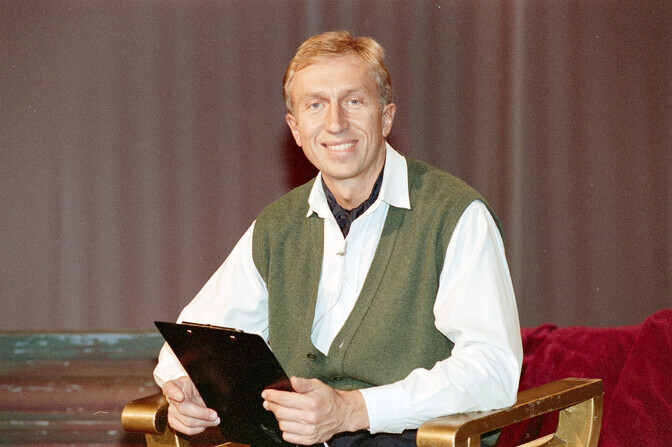
Despite his fame and productivity as an illustrator, radio host and later politician, Järvi never achieved substantial financial success. One notable example is the redesigned packaging for a popular curd snack introduced in 1996, featuring a cat illustration that became one of the most widely reproduced artworks in Estonia.
"Many people assume that cat earned him money for the rest of his life. In reality, it did not," Kooli noted.
According to those close to him, financial considerations partly motivated Järvi's decision to enter politics with the Reform Party. He served two terms in the Riigikogu, seeking financial stability for himself and his son.
A small room in an outbuilding on Faehlmanni tänav in Tallinn became his refuge when life became overwhelming. By then, his third major relationship, with an Estonia Theatre ballerina named Tatjana, had also deteriorated. Kooli believes Järvi spent much of his life searching for the love he had lost with Raili.
"He was looking for love, approval and himself," she said. "In reality, he was always looking for Raili."
Friends and family say that although Järvi maintained an upbeat public image, he often struggled privately. Kooli reflected that today he might well have been diagnosed with depression.
Despite being diagnosed with cancer, Järvi chose to keep his illness largely private. He continued working in Parliament and hosting radio programs until he was physically no longer able.
"He didn't want many people to know," his son recalled. "He had always felt the hardest way to leave was to slowly fade away in front of others."
Kooli remembered that Järvi continued broadcasting despite severe pain and diminishing strength. During his final broadcasts, medication affected his speech, leading some listeners to mistakenly assume he was intoxicated.
"Those comments were especially painful," Jürgenson said.
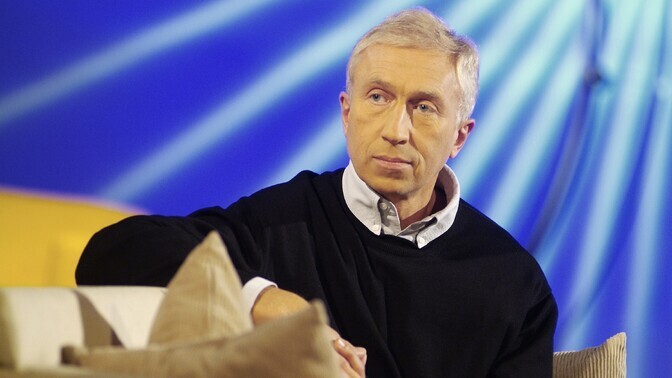
Fourteen years after Järvi's death, the Tartu Art Museum launched a public appeal for works to include in a retrospective exhibition. Nearly 500 pieces were identified in private collections and museums, with around 60 selected for display.
Curator Stella Mõttus said the exhibition reveals aspects of Järvi that many people never saw. While known primarily for the cheerful illustrations loved by children, some of his black-and-white graphic works are dark, unsettling and even apocalyptic.
"His life wasn't exactly rosy either," she said.
Richard-Erik Järvi, however, believes the works convey not only sadness and trauma but also resilience.
"We've talked about the tragic moments," he said, "but he always tried to remain positive."
--
Editor: Karmen Rebane, Argo Ideon
Source: ERR "Pealtnägija"


