Kersti Kaljulaid: It is possible to give up violence
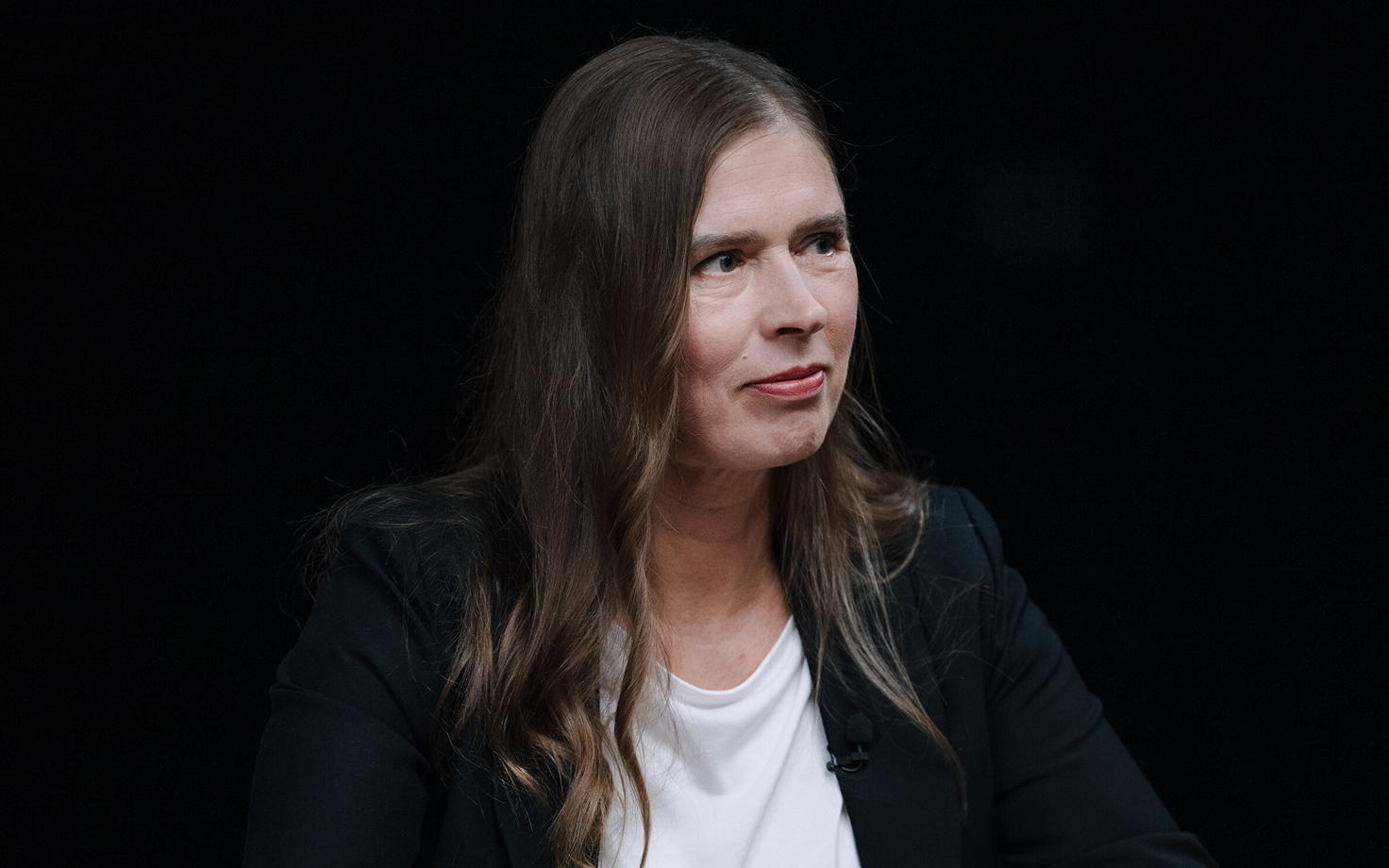
For many, the process of healing begins simply with recognizing that certain patterns of behavior, some dating back to their own childhood, are manipulative and abusive, writes Kersti Kaljulaid.
November 25 was the International Day for the Elimination of Violence Against Women, but there is only so much you can accomplish in a day. That is why, for us at the President Kaljulaid Foundation, this date marked the beginning of the Orange Weeks. This is now the fourth year we have held them. The color orange symbolizes hope and a future free from violence.
The Orange Weeks are no longer just our initiative; they belong to a great many people. This year, participants range from the Ministry of the Interior to the Von Krahl Theater. All members of our Violence-Free initiative for Estonian businesses are also taking part. These are companies that understood the nature of the problem even before the publication of recent statistics by the Riigikogu's Foresight Center: Violence comes at a cost to society as a whole, including employers. Politicians, journalists and other opinion leaders have also been invited to reflect on the issue.
Over the years, it has been through our cooperation with businesses — and companies in our network now employ 5 percent of Estonia's workforce — that we have seen firsthand just how true the central findings of intimate partner violence researchers are. Violence really does know no boundaries, whether educational, socioeconomic or ethnic.
There is not a single company where violence awareness training has not marked the beginning of someone's journey toward a better life. Often, in the safe environment these training sessions provide, people come to the conclusion that it is worth sharing their story. That it is worth involving their employer in their recovery. Employers can then provide help and support to ensure that journey is successful. At one company, the first employee came forward seeking help just five minutes after their employer announced it was joining the Violence-Free initiative.
Those who have experienced abuse come forward, but so do those who, during the training itself, have begun to consider whether some of their own tendencies in managing anger or communicating at home might constitute abusive behavior.
Of course, we are not talking about pathological batterers or tormentors. They know perfectly well what they are doing, even if they invariably blame their victims for their behavior. It is ordinary people who come forward, people who have begun to realize that they could make life better for themselves and their families by giving up abusive behavior, whether directed at their partners or their children.
Our usual thinking is: What's the problem? Punish those who beat others and put killers behind bars. Violence has nothing to do with the rest of us. Our thinking changes when we realize that abuse can be psychological or economic and that even yelling or throwing a plate against a wall — rather than at another person — is in fact a form of violence that victimizes our loved ones. It is probably safe to say that one in two of us has personally experienced violence at home, whether in our own intimate relationships or during childhood.
When a problem is this widespread, prison is certainly not the solution. Giving up abusive behavior would help. But how do we go about doing that?
Estonia has exactly five positions for professionals whose job it is to help people who have behaved violently get back on the right track. Only three of those positions are currently filled. The vast majority of clients seen by the Social Insurance Board's violence prevention counselors are referred by the police or the Prosecutor's Office. Very few seek help on their own initiative. If more did, the counselors would no longer be able to cope with their workload.
There would be less violence in Estonian homes if far more people sought help voluntarily. We therefore need to change the way we think about violence and responsibility.
Surely the person who strikes the blow bears responsibility? Or do they?
For some reason, victims of violence must not only convince society that they are victims in the first place, but also take responsibility for resolving the situation. The responsibility for ending the relationship with the support of victim support services and other organizations, and for enduring the financial and other hardships that often accompany that decision, falls entirely on the victim. Why?
It is possible to break away from violent behavior. For many, the process of healing begins simply with recognizing that certain patterns of behavior, some dating back to their own childhood, are manipulative and abusive. Sometimes, all it takes is a desire to be better toward one's children, for example. A great many people prone to abusive behavior need practical skills for building healthy and safe relationships.
It is the person who strikes the blow who also bears responsibility for ensuring it never happens again and that their loved ones are not hurt. Alongside victim support, we need to foster a stronger culture of abandoning abusive behavior, starting with the understanding that no one other than the person behaving violently is responsible for the violence and that the responsibility for changing that behavior is theirs alone. No one else's. Certainly not the victim's. Those who commit violence must seek and receive help because we cannot build a safer society through the efforts of victims alone.
We spend a total of €3.6 million in public funds on victim support, support centers and prevention. Around €350,000 of that is allocated to helping people give up abusive behavior. Meanwhile, a full 75 percent of people in Estonia recognize that the system for supporting people in giving up abusive behavior both needs and deserves further development.
So, political parties, here is one way to make Estonia a better place in the way voters want. Those who have committed violence must take responsibility and learn to communicate without violence going forward. Bring the orange mindset into your election platforms!
--
Editor: Marcus Turovski


