Social urgent care service in Estonia sees fewer trial users than expected
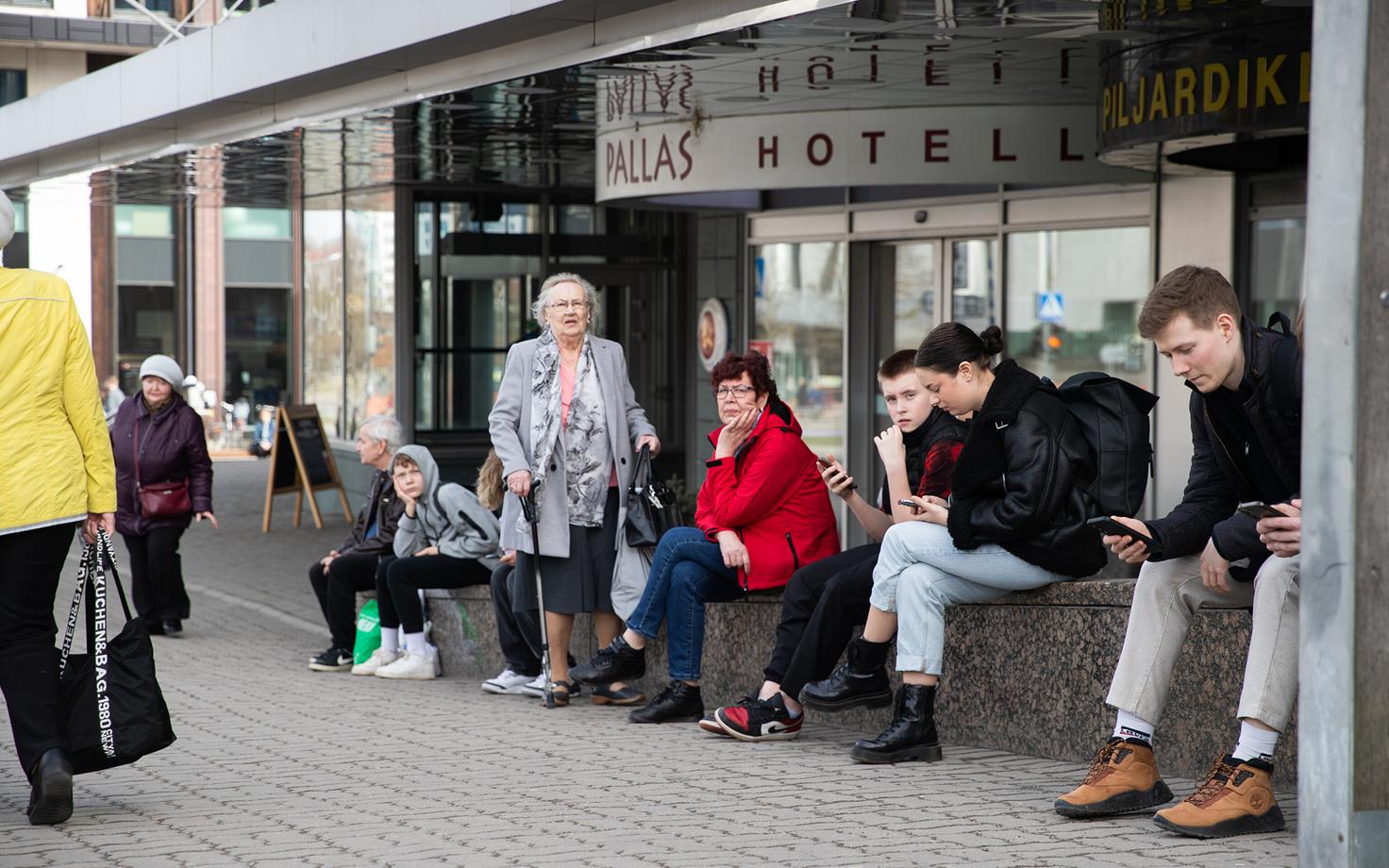
An EU funding-backed social urgent response pilot in Tartu County could pave the way for a nationwide service, but demand in its first year has been lower than hoped.
Launched in August 2025 with private provider Estkeer, the service operates in Kastre, Kambja and Tartu municipalities, on the outskirts of Tartu. It aims to make practical, nonmedical support at home more accessible and prevent people's assistance needs from escalating.
The social urgent response service is designed for unexpected situations, including those that arise outside regular working hours, said Anne Aleksejev, head of Tartu Municipality's Social and Education Department.
"For example, we have a client who receives round-the-clock care at home," Aleksejev said. "If their caregiver calls out sick, that's where social urgent response comes in."
Filling assistance gaps
Staff can bring firewood indoors, pick up groceries or help someone return home from the hospital, said Kadri Nöps, Estkeer's project manager for social urgent care.
One recurring situation involves an elderly person being taken to the hospital by ambulance and then discharged at a time no family members are able to come pick them up.

Nöps said their staff can bring the patient home, help them into bed and prepare what they need for the morning.
"They can also help explain to family caregivers what was written in the hospital discharge paperwork," she added.
30 calls in a year
Despite €50,000 in EU funding, the service has handled just over 30 calls in a little more than a year — far fewer than organizers had expected.
While Aleksejev said Tartu Municipality joined the pilot without any expectations of high demand, uptake has been particularly low in Kambja Municipality, where officials believe residents often rely on relatives or neighbors for after-hours help.
Kastre Municipality, meanwhile, has recorded just five calls during the pilot. Iiri Sepping, the municipality's chief social work specialist, suggested that awareness of the service may have spread more slowly than hoped.
The social urgent response service also initially required clients to pay part of the cost, with municipalities covering the fee for those unable to afford it. Sepping said the service is now free to users.
Nöps nonetheless said the experience in Tartu County could help shape the development of a nationwide social urgent response service.
--
Editor: Marko Tooming, Aili Vahtla


