Estonian food industry leaders forecast fresh price hikes for 2027
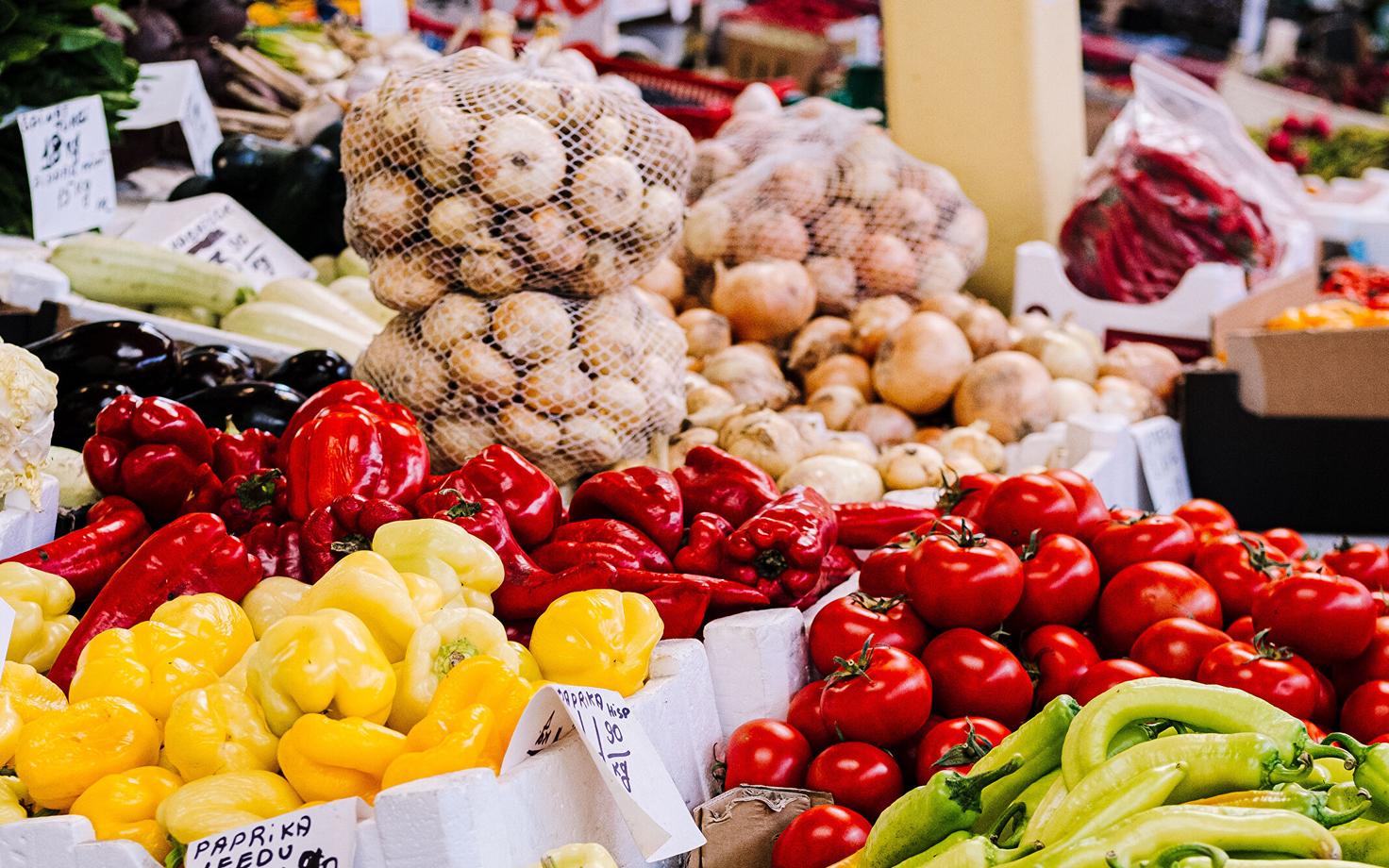
Estonian food and beverage industry leaders say they expect grocery and drink prices to climb again next year, as raw material, energy, transport, and labor costs all rise.
Higher alcohol excise duties and recovering milk and meat prices are set to push consumer costs up by 3 to 4 percent, matching Estonia's overall inflation outlook.
Food prices dipped year-on-year in August and September, helping slow overall inflation, before edging back up in October. Although raw milk prices fell 20 percent this year — pulling down retail prices for butter, cheese, and milk — they could rebound by 10 percent in 2027, though not to previous highs.
Higher farm prices would offer relief to pressured dairy producers.
"That's certainly good news for farmers, giving them more confidence to sell their output and invest," Valio Eesti CEO Maido Solovjov told Aktuaalne kaamera. "My own forecast is that consumers will see an increase of about 3 to 4 percent, which aligns with Estonia's overall inflation forecast for next year."
While domestic milk output is growing — with 40 of the 100 milk trucks on Estonian roads each day bound for Latvia — local meat production faces steeper strain. Partly due to African swine fever (ASF), Estonia's pork self-sufficiency has fallen to 63 percent from around 70–75 percent before the 2025 outbreak, while domestic chicken covers just half the market.
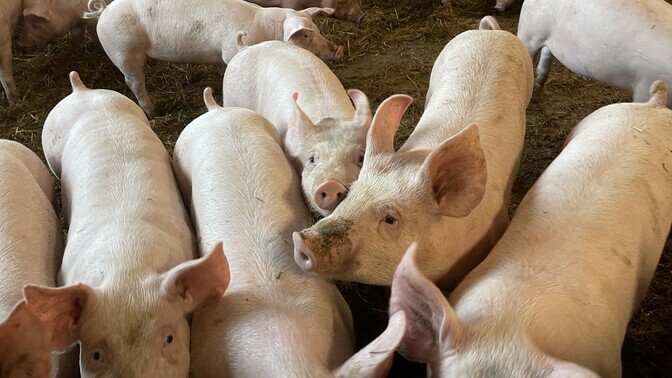
"Pork prices will have to rise because farmers have been operating at a loss for a long time," said Simmo Kruustük, supervisory board chair of meat processor Nõo Lihatööstus, adding that poultry prices tend to track pork while beef remains far above 2022 levels.
Higher excise duties will push alcohol prices up next year, fueling cross-border shopping in Latvia while deterring Finnish tourists from stocking up in Estonia.
"Domestic producers will lose out on production, sales, and margins," said Saku Brewery management board member Jaan Härms. "Retailers will lose sales too, and the state will lose excise revenue."
Luminor chief economist Lenno Uusküla said food prices should track general inflation next year, driven mainly by rising energy costs rather than food-specific shocks.
Solovjov noted that Eurostat data already place Estonian food prices above the EU average and higher than in Sweden.
Alcohol excise duties rise by another 5 percent on January 1, 2027, following a 10 percent hike at the start of this year.
Unlike most EU states, Estonia applies no reduced VAT rate to food, taxing all groceries and drinks at the standard 24 percent rate introduced in July 2025. Finance Minister Jürgen Ligi (Reform) dismissed calls for a tax cut last year, saying Estonians are struggling more with being overweight than with hunger.
--
Follow ERR News on Facebook and Twitter and never miss an update!
Editor: Andrew Whyte, Johanna Alvin


