Narva Mayor to Minister: Are border residents being sacrificed for security?
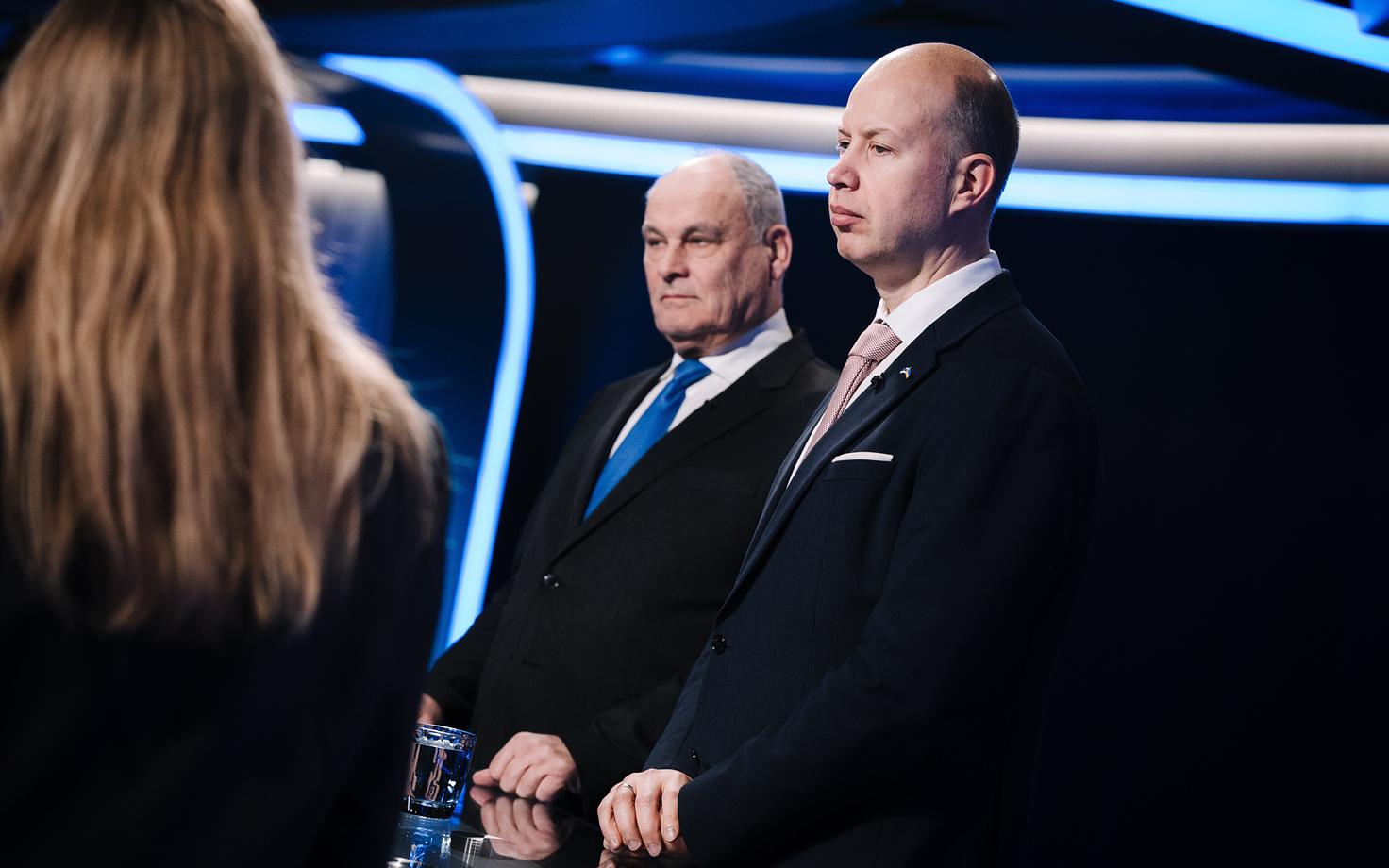
Narva Mayor Jaan Toots (Center) said closing the Russian border punishes Estonia's own people, while Interior Minister Igor Taro (Eest 200) said the threat from Russia warranted the move.
Last Friday, the government decided to close the road border crossings between Estonia and Russia, in response to the mid-November attack on defense company Threod.
Speaking to "Otse uudistemajast" Wednesday, Toots said he took no issue with the government's security decisions but opposed closing the border to Estonia's own residents. He said many people in Narva and southeastern Estonia have relatives and family members living on the other side of the frontier, adding the government could make an exception for them, given they are Estonian citizens and residents. "We certainly don't see any danger in letting them cross. It would be very strange to see our own people as a source of danger," Toots said.
"Our own Estonian citizens simply want to visit their relatives. I don't see any danger in that. And if people say there's a danger on the other side, that danger is the same if they go through Latvia. We're making life difficult for our own people by not keeping that route open for them," Toots went on.
Taro response was that Russia carries out intelligence operations targeting Estonians at border crossings and that its security services have been attempting to recruit many of them. Toots said people living near the border are aware of the risks, and many leave their phones in Estonia when they cross for that reason.
Toots said Latvia's border with Russia would remain open and that Estonia should therefore introduce temporary checks at its border with Latvia – some of those involved in the Threod incident reported earlier this month had crossed from that border and not from Russia.
Latvian Prime Minister Andris Kulbergs criticized Estonia's decision on Wednesday, saying it had been made in haste.
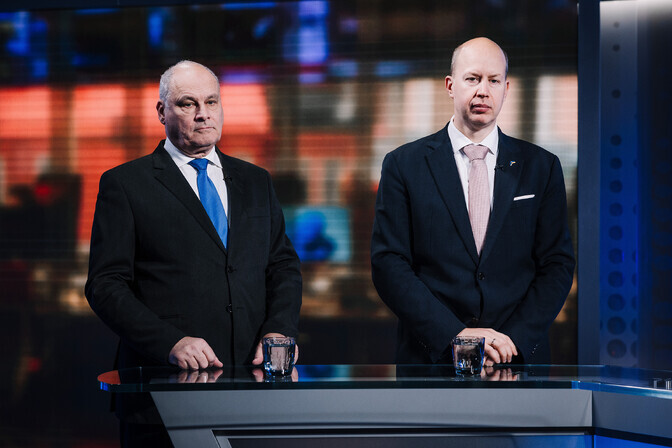
Taro responded that Latvia could always follow Estonia's lead and close its own border crossings with Russia. "I think we share the same security space, and they'll have to consider whether to leave an opening that could let all sorts of things through or take a different course," the minister said.
"I don't deny that this decision affects people, but Russia's aggression affects a great many people in very different ways. Some people are killed, some lose loved ones, and some are inconvenienced because they can't visit their loved ones for a while. That's how it is," Taro said.
"This is a result of Russia's military actions. The Estonian government isn't trying to give its own people a hard time or make their lives more difficult," he went on.
"As for visiting family members, that is an unfortunate consequence, and I understand how painful it is for these people. I'm from a region where cross-border ties are very close, too. But this is a consequence of Russia's war and its hostile actions against Ukraine, Estonia and other European countries," Taro added.
Toots said he believes Latvia and Lithuania will keep their borders with Russia open, however, and that Estonia may very well suffer economically as a result. "What happens if Russia shuts down rail traffic in retaliation? There are rumors to that effect. The rare earths plant in Sillamäe would immediately grind to a halt. It supplies raw materials to the magnet factory in Narva, where 380 people work, but that would shut down too. So this is a very grave matter," Toots said.
Taro stressed that the government must consider the security of all in Estonia, including people with family members on the other side of the border. He added that the border with Russia would have been closed long ago had the government given no thought to those people, and attack on Threod's drone factory was the last straw, he said.
"The interior minister's duty is to make decisions based on security considerations. Sometimes that means making difficult and painful decisions. That is the responsibility that comes along with the job," Taro said.
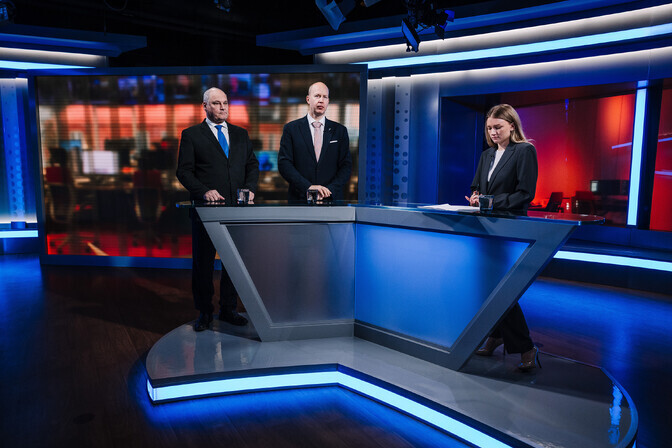
Taro noted the government is discussing measures to improve the economic situation in border regions. "We're discussing measures to help businesses adapt to the situation, find new workers and retrain them. We know Narva and Setomaa municipality may lose some revenue. That also has a wider impact on people who may never cross the border but rely on municipal services. In the coming weeks, the government will discuss measures to help municipalities and businesses deal with these effects."
Both Toots and Taro linked each other's conduct and rhetoric to the upcoming Riigikogu elections in March. Taro asked Toots whether the elections were also the reason he did not consider Estonia's security important.
On being asked whether closing the border would lead to fewer attacks on Estonian defense industry sites, Taro said the government had reduced certain risks.
"The risks that came from keeping border traffic open or partially open will go away. That means our domestic security services can focus more on other areas. They won't have to devote as much counterintelligence work to monitoring who crosses the road border between Estonia and Russia," Taro continued.
At the close of the show, Toots reiterated his call for the government to make an exception allowing residents of border regions to cross. "Our people are writing to Santa now, hoping the government might give them a way to cross the border by Christmas. That's our request to the government," Toots said.
"Some children are writing to Santa asking that a drone not fall on their heads at Christmas or New Year's. The effects vary greatly, and a great many people are affected," Taro responded.
--
Follow ERR News on Facebook and Twitter and never miss an update!
Editor: Andrew Whyte, Aleksander Krjukov
Source: 'Otse uudistemajast'


