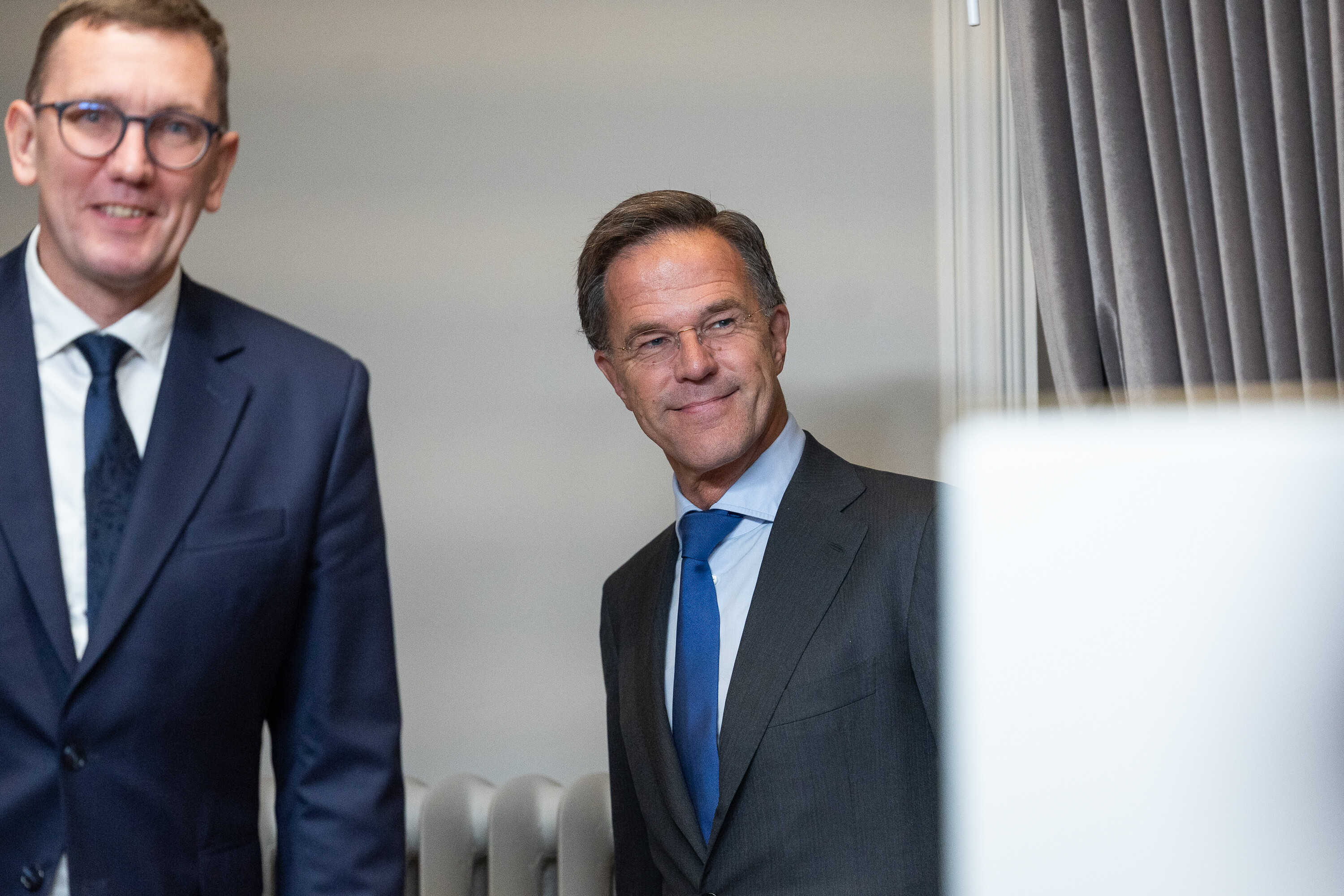
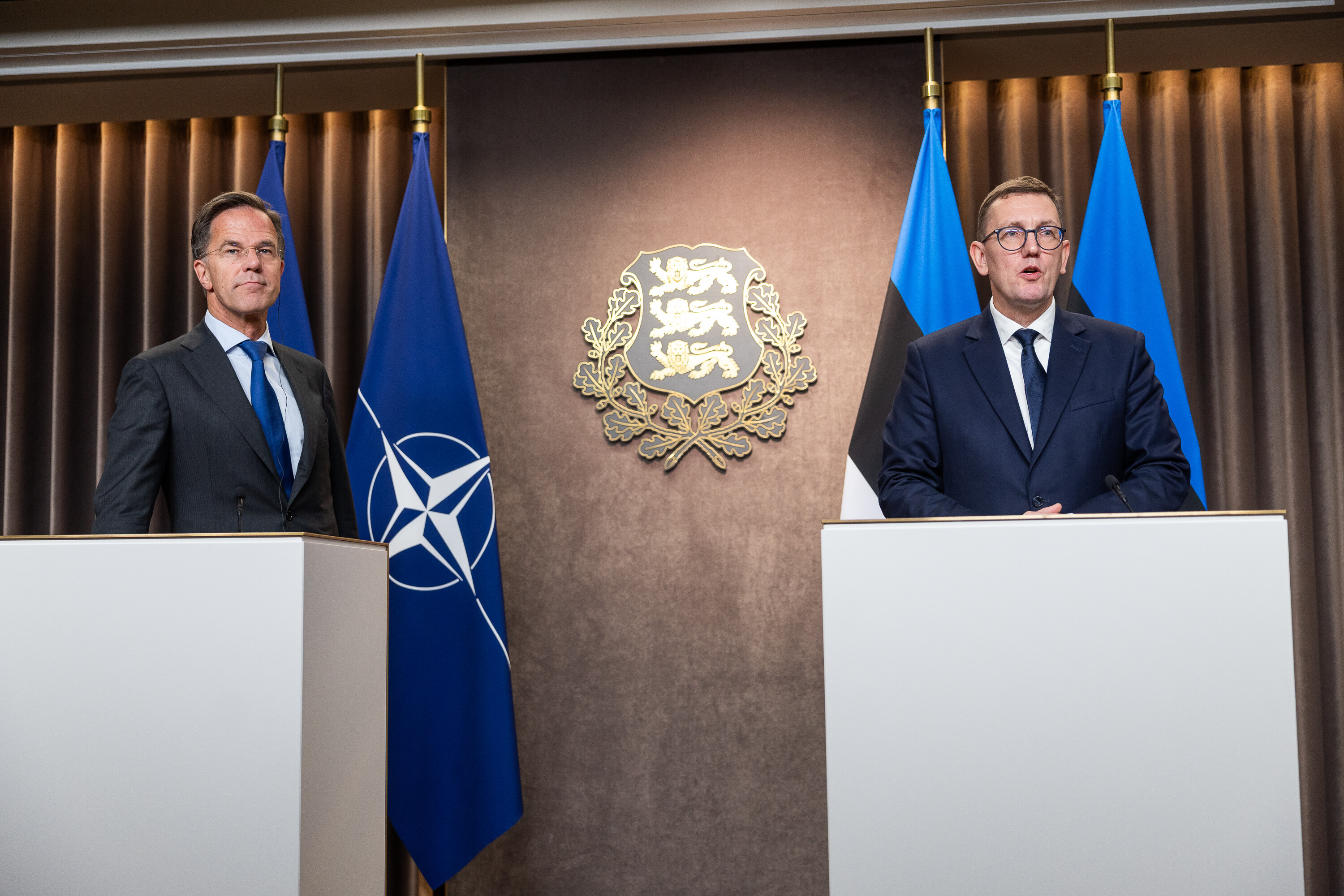
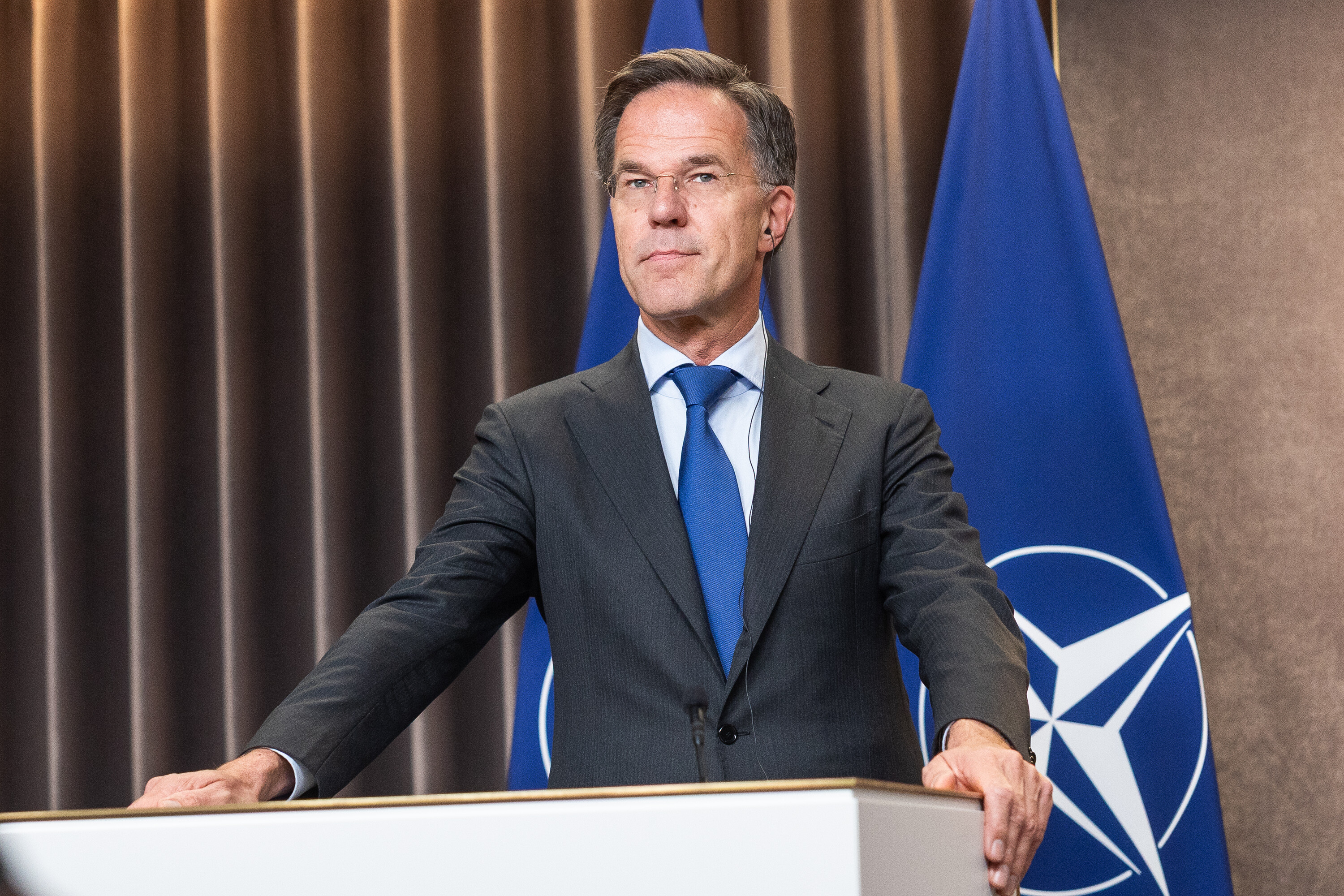
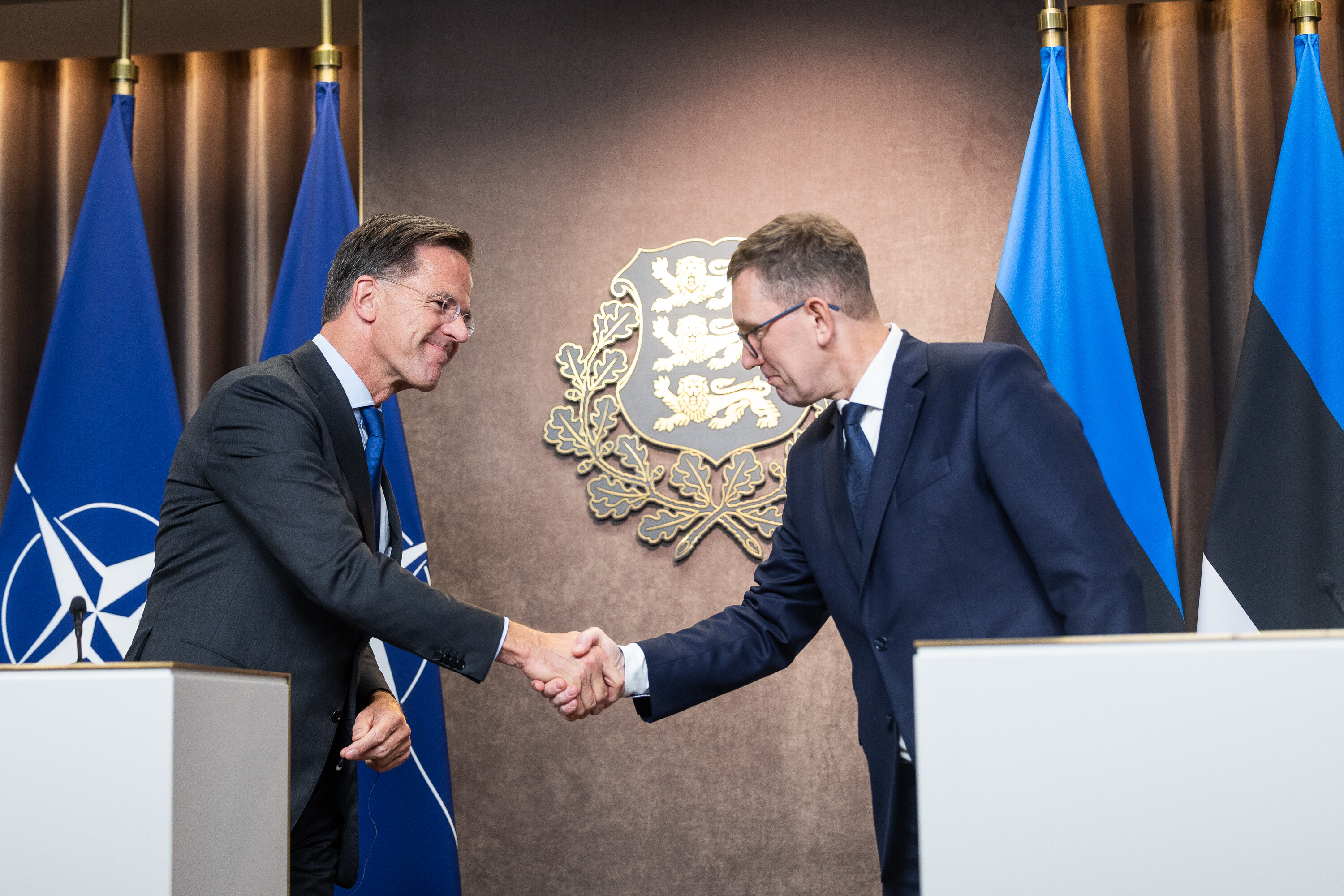
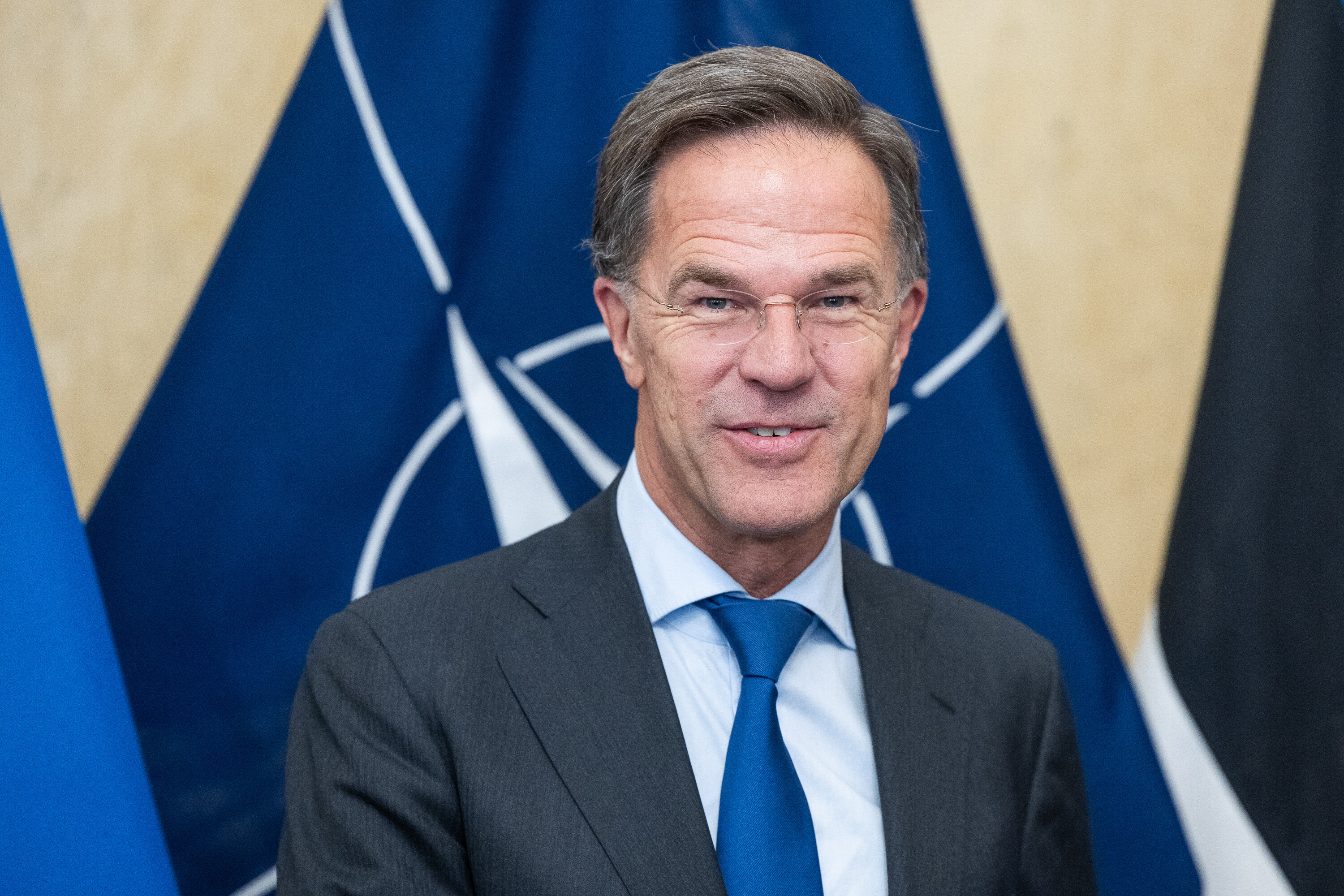
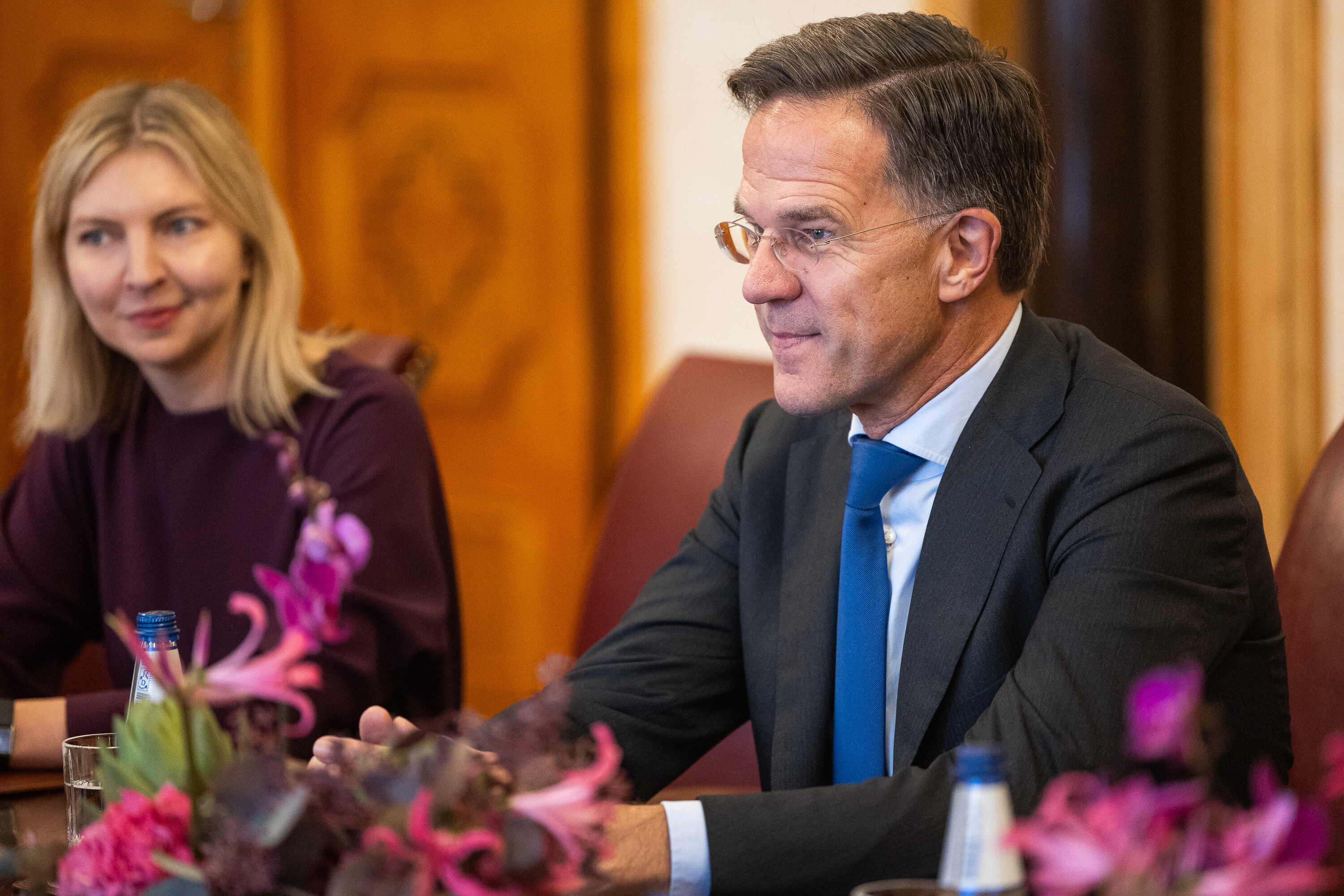
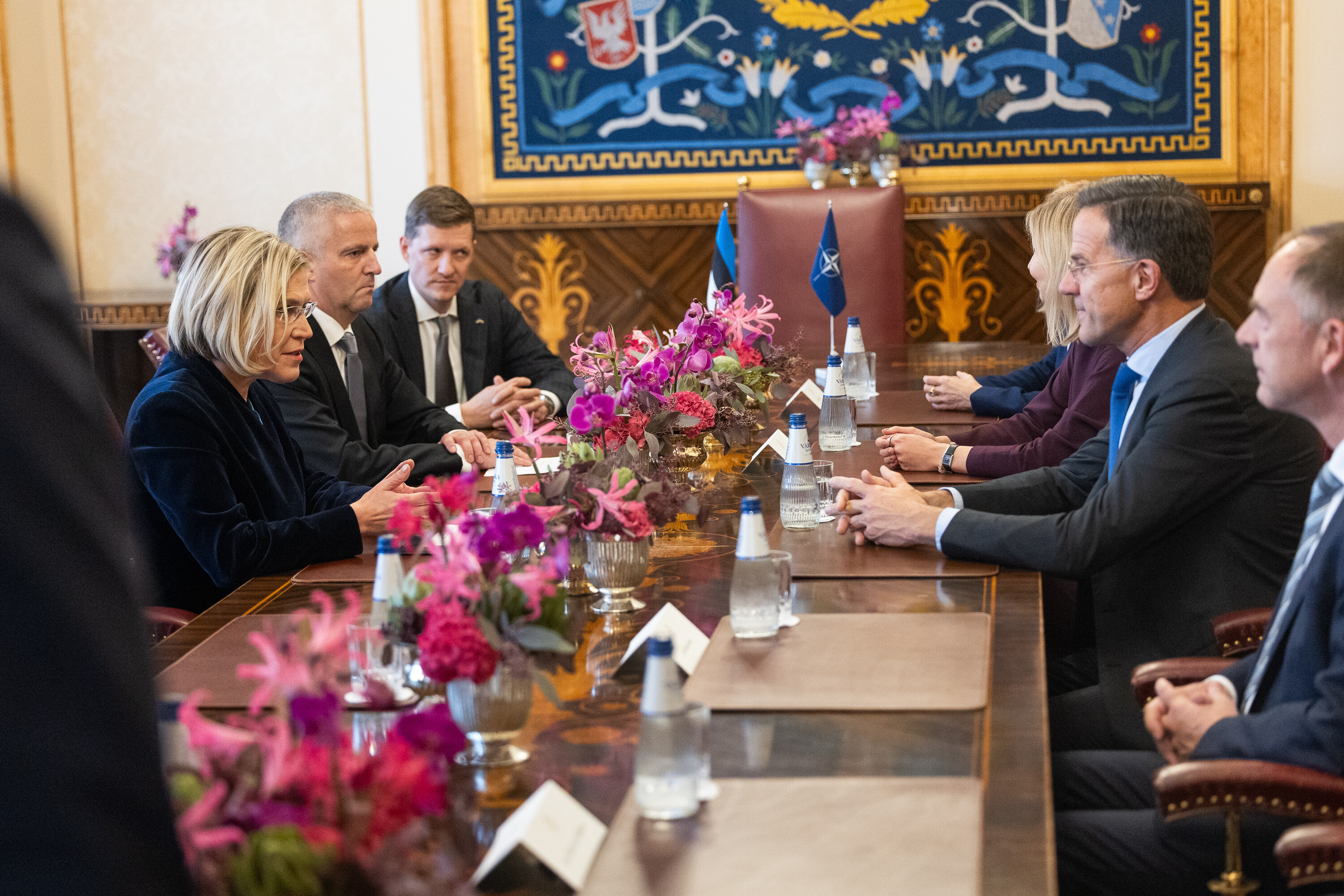
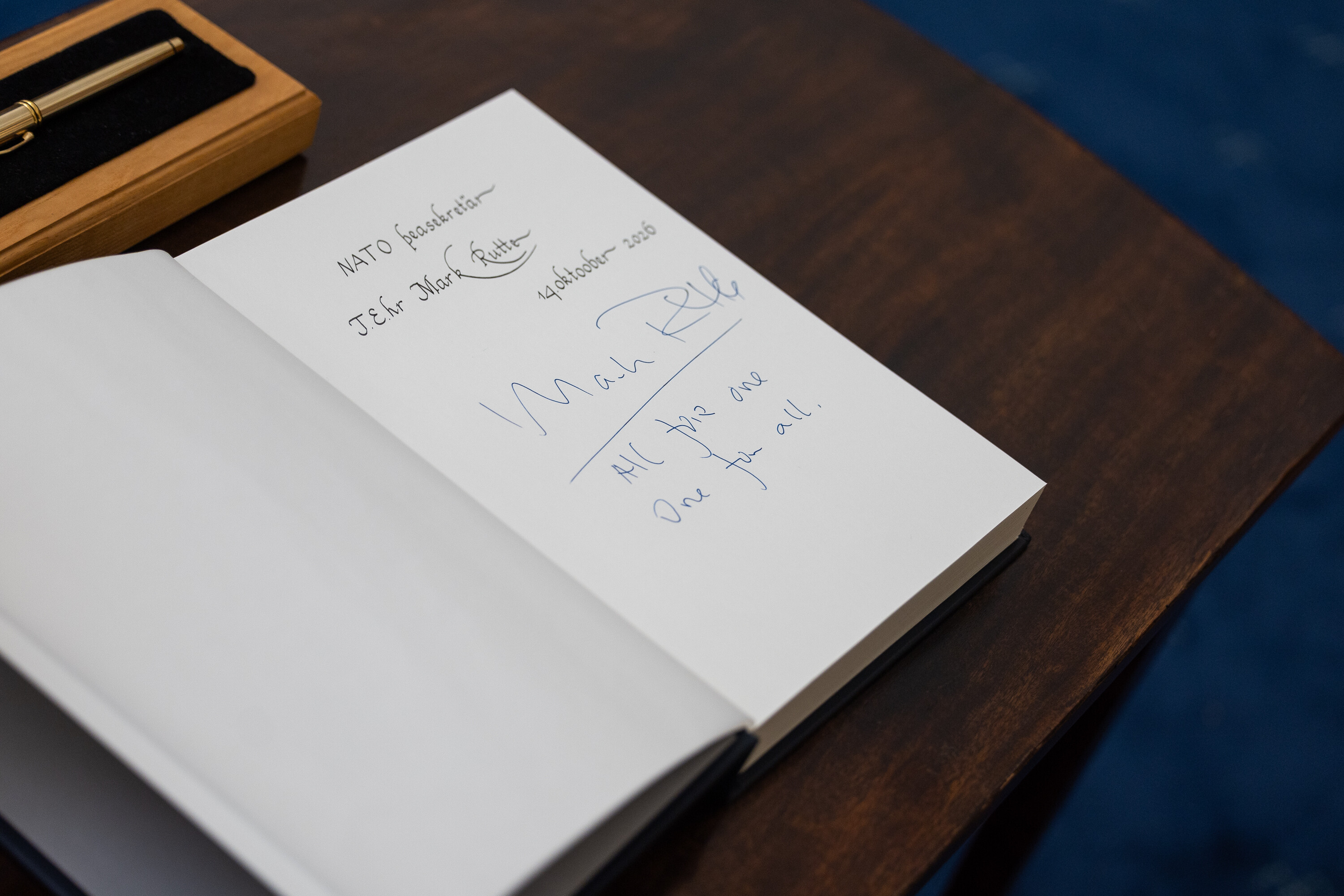
NATO chief in Tallinn: Estonia a benchmark for what a member state should be
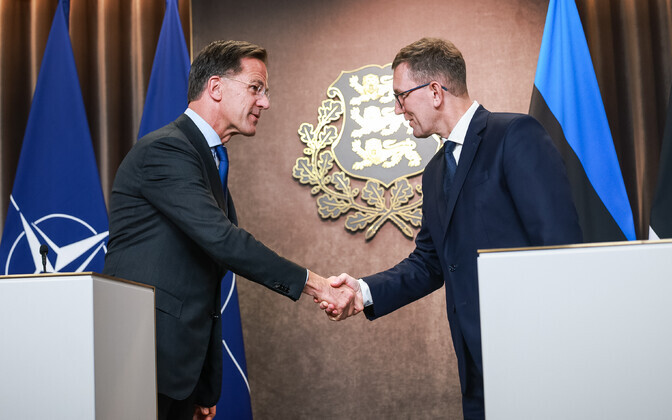


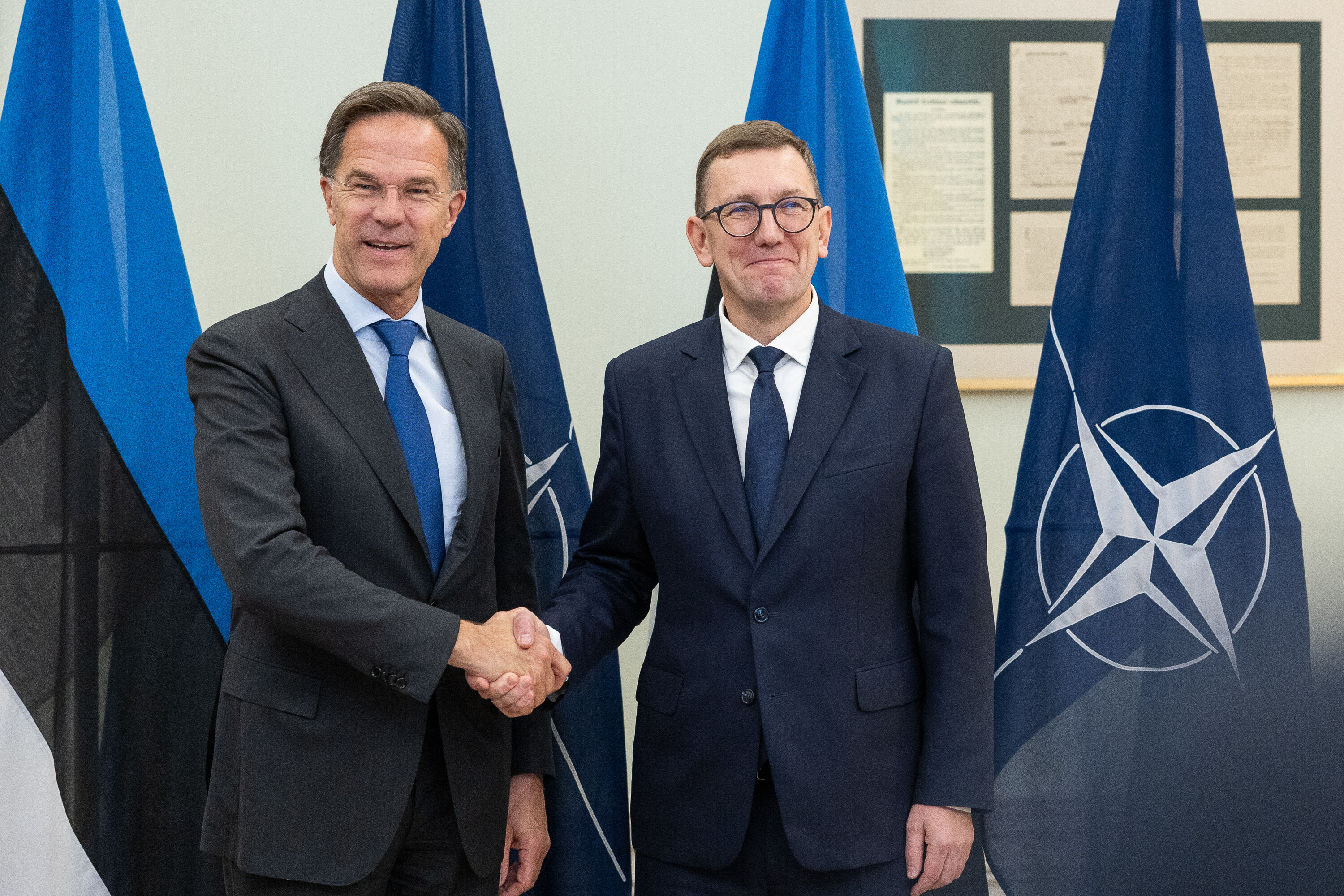
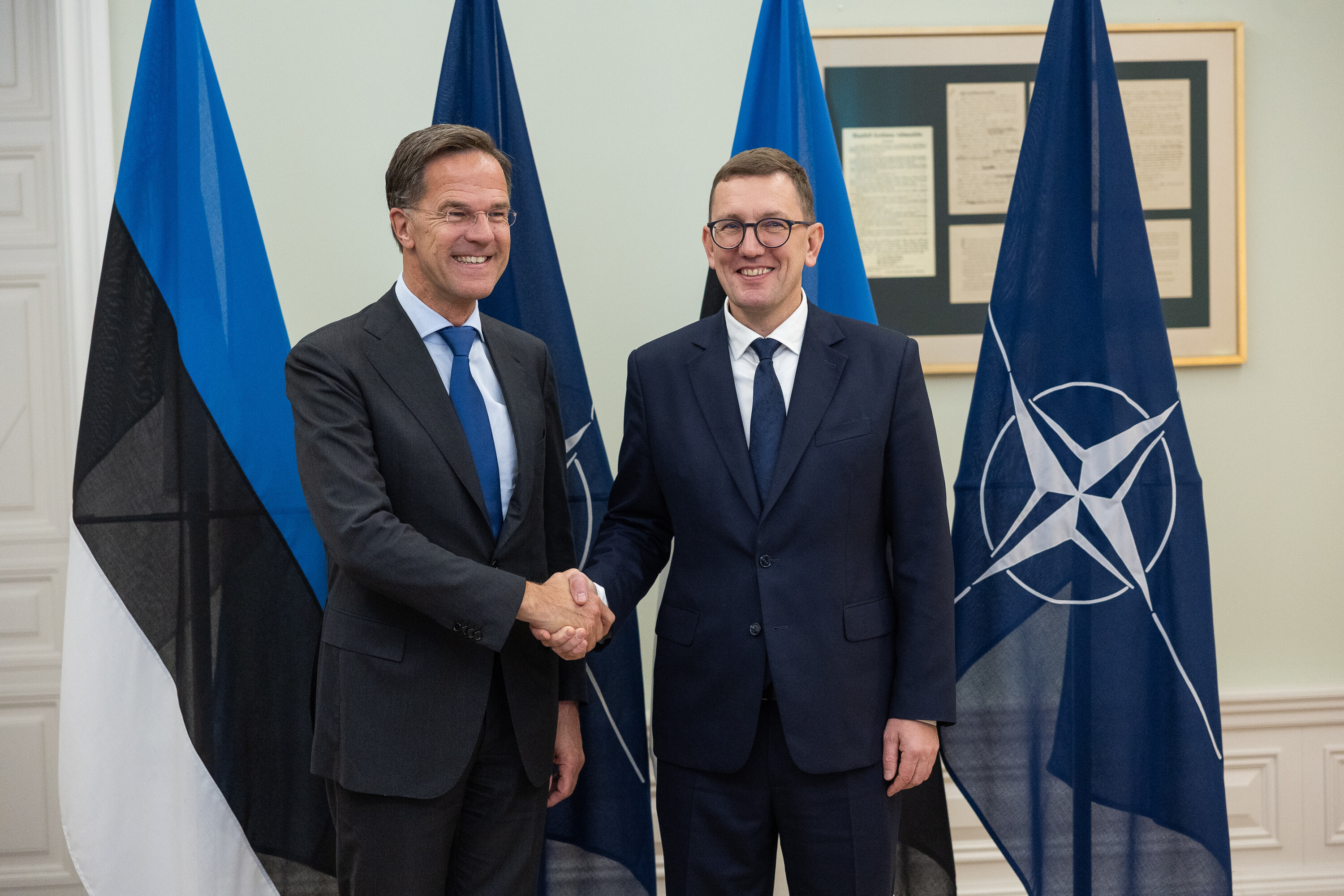
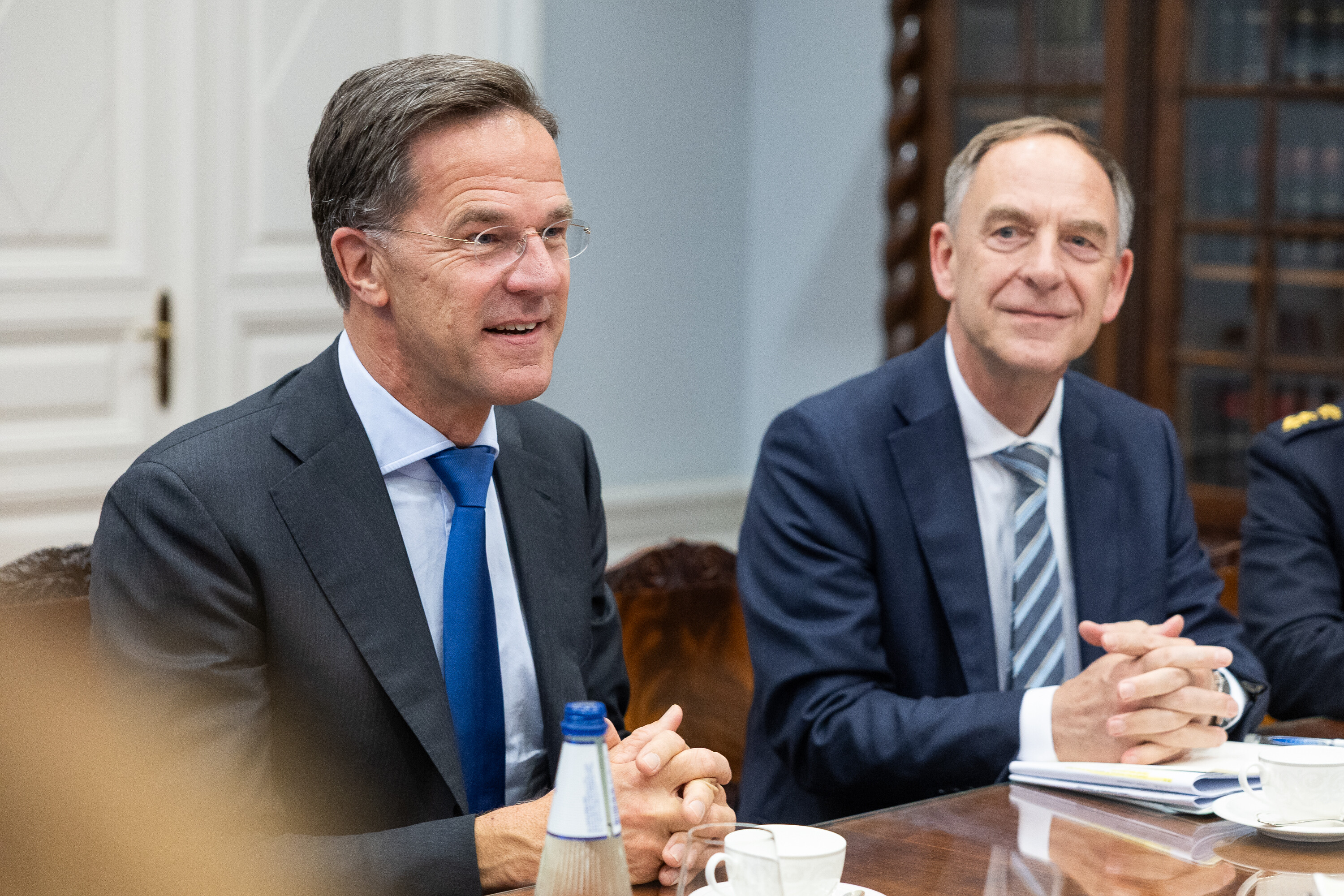
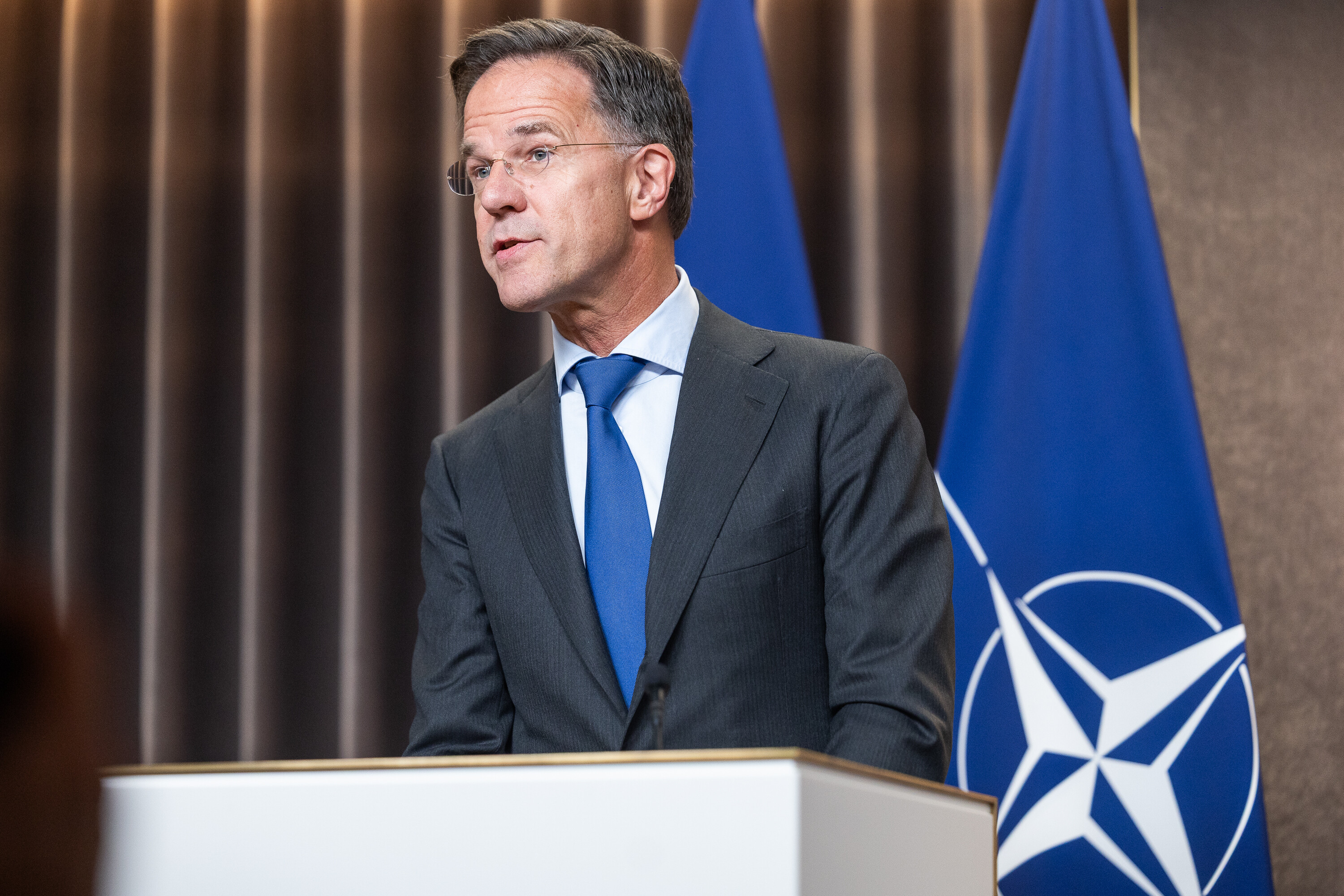
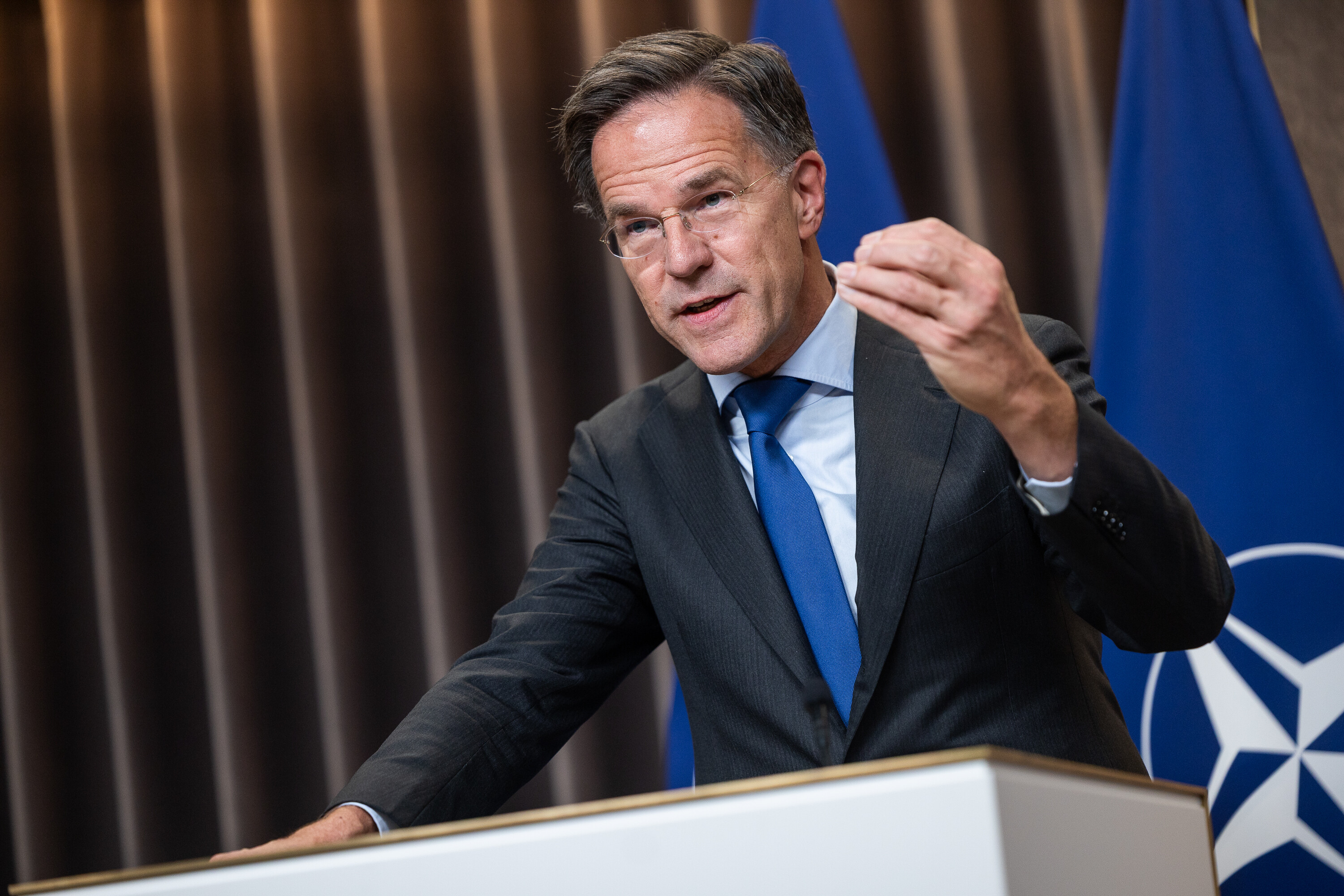
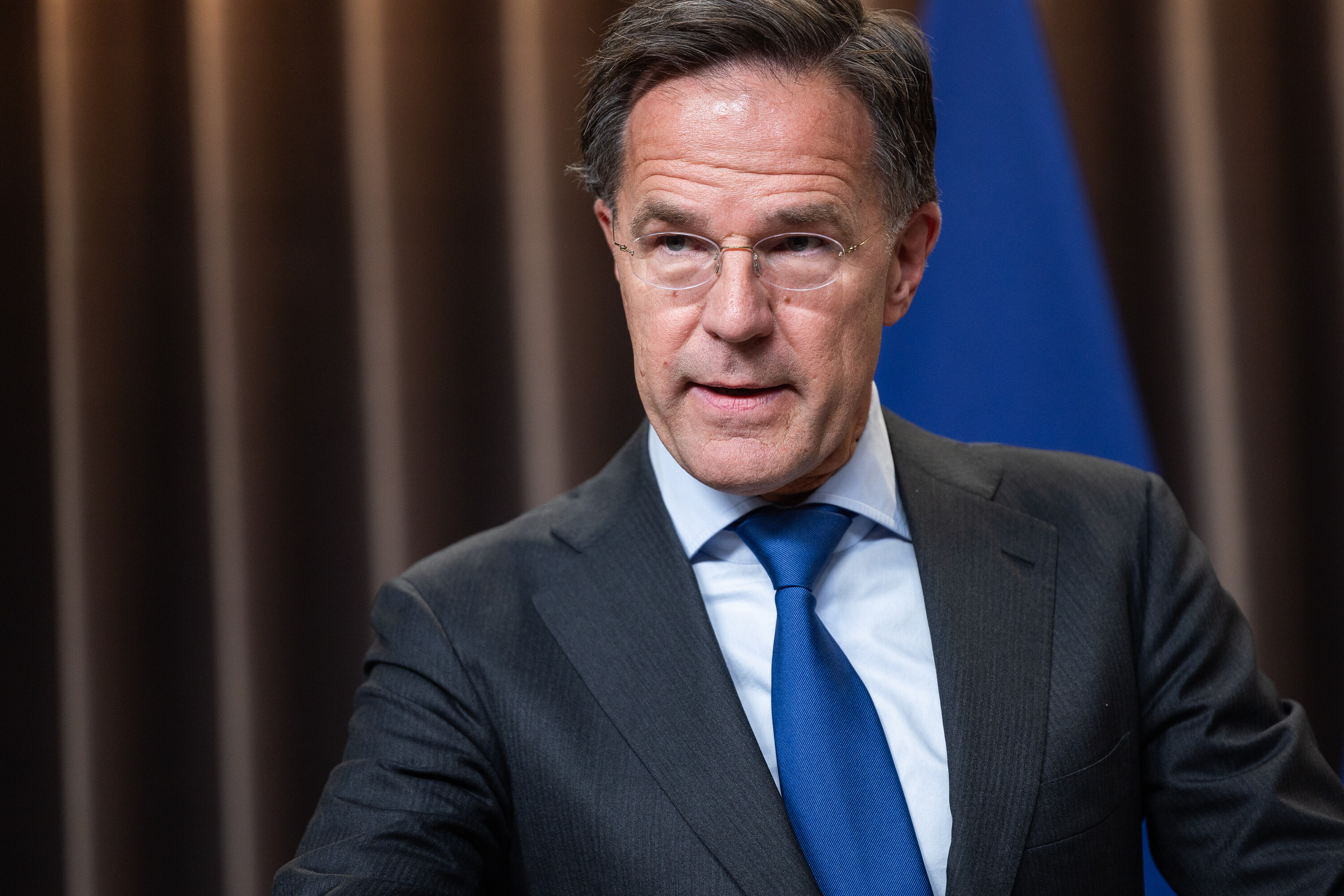
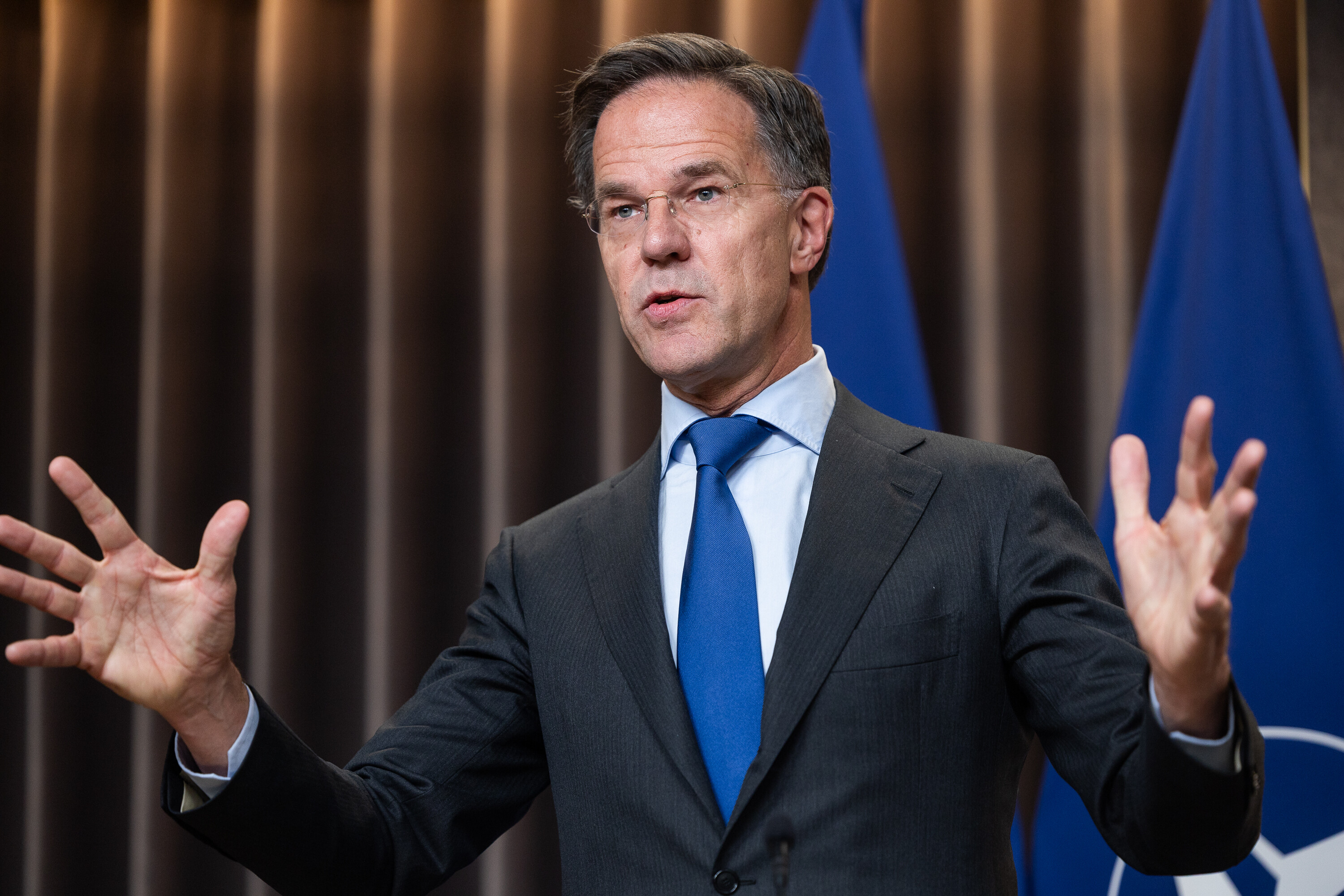
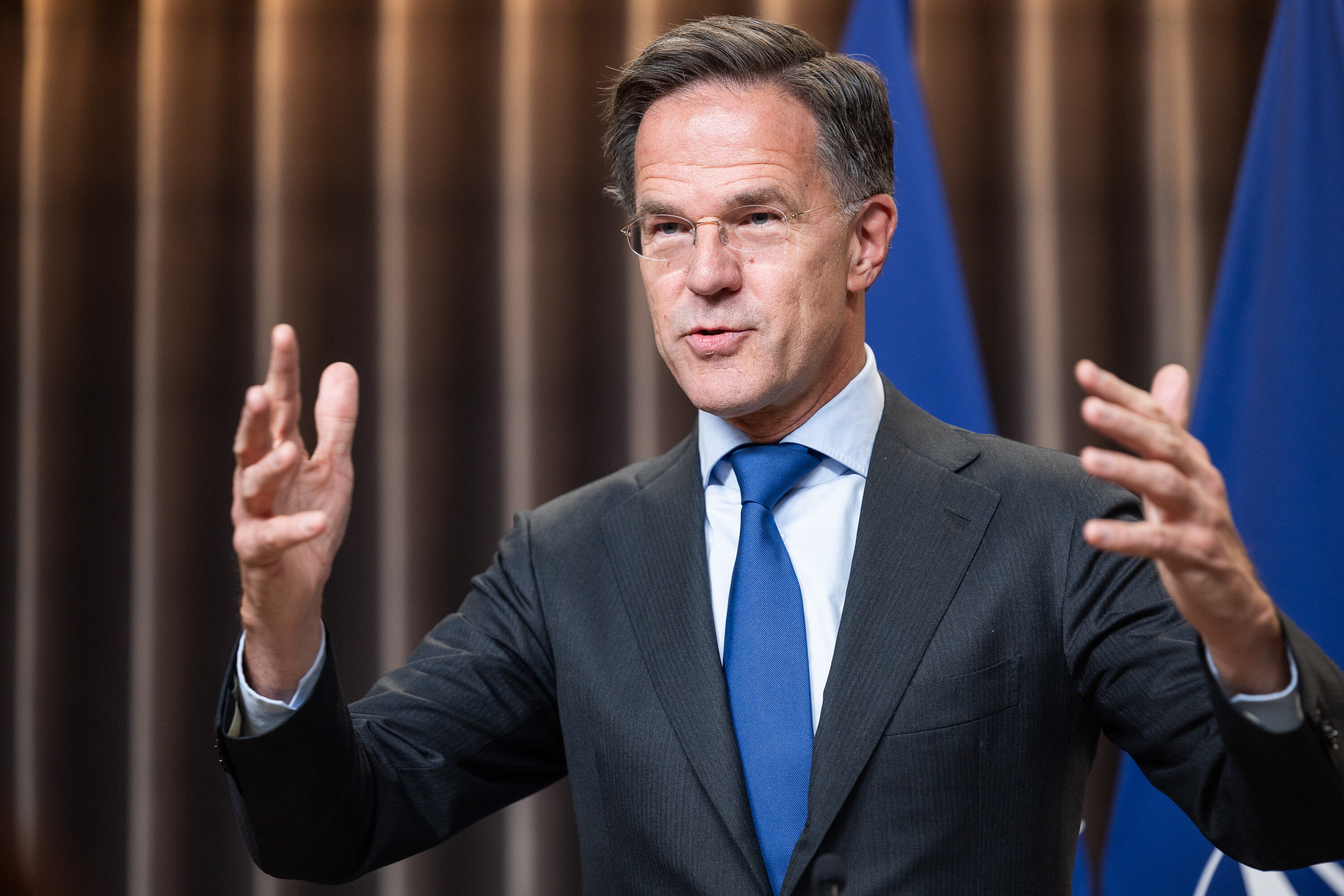
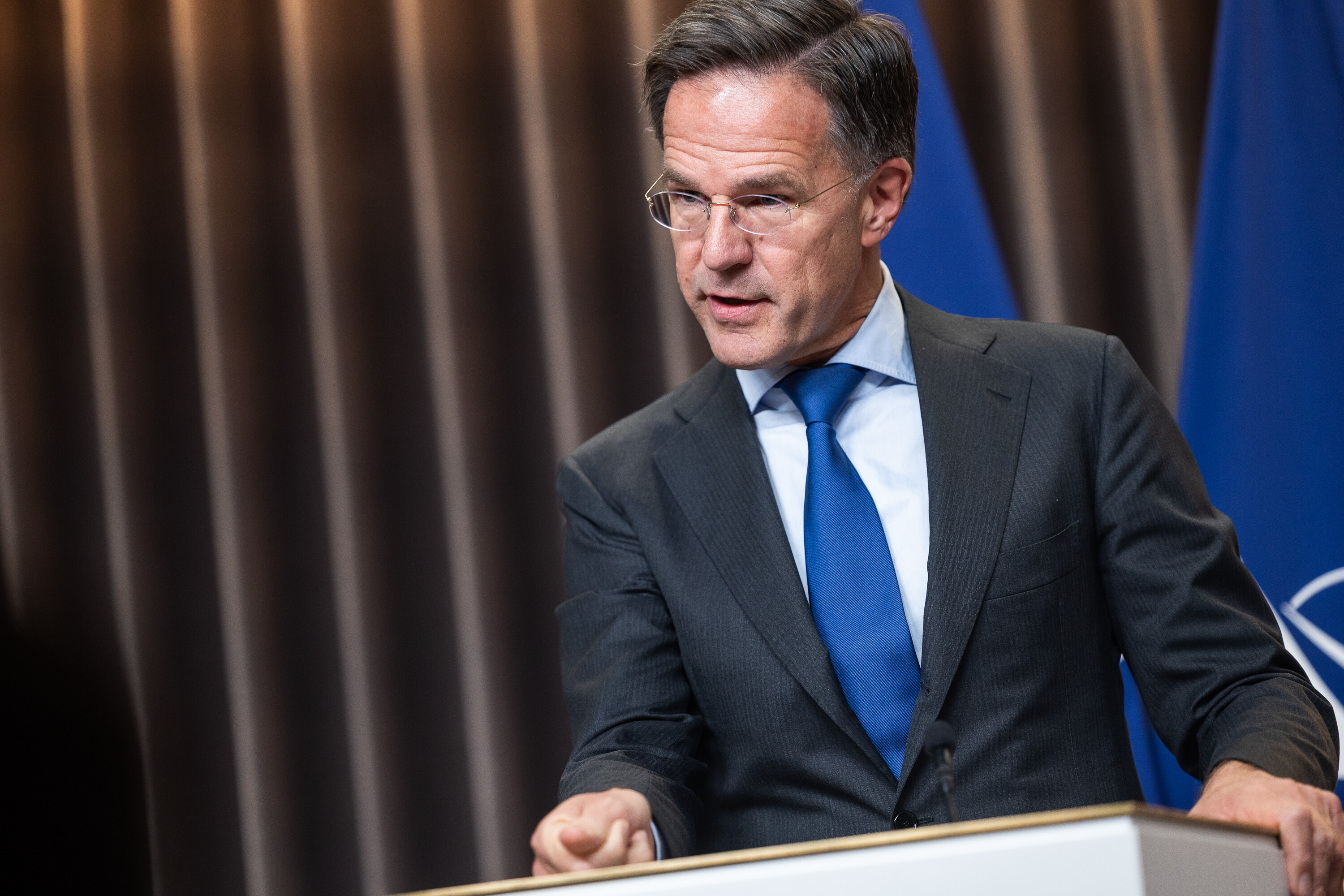
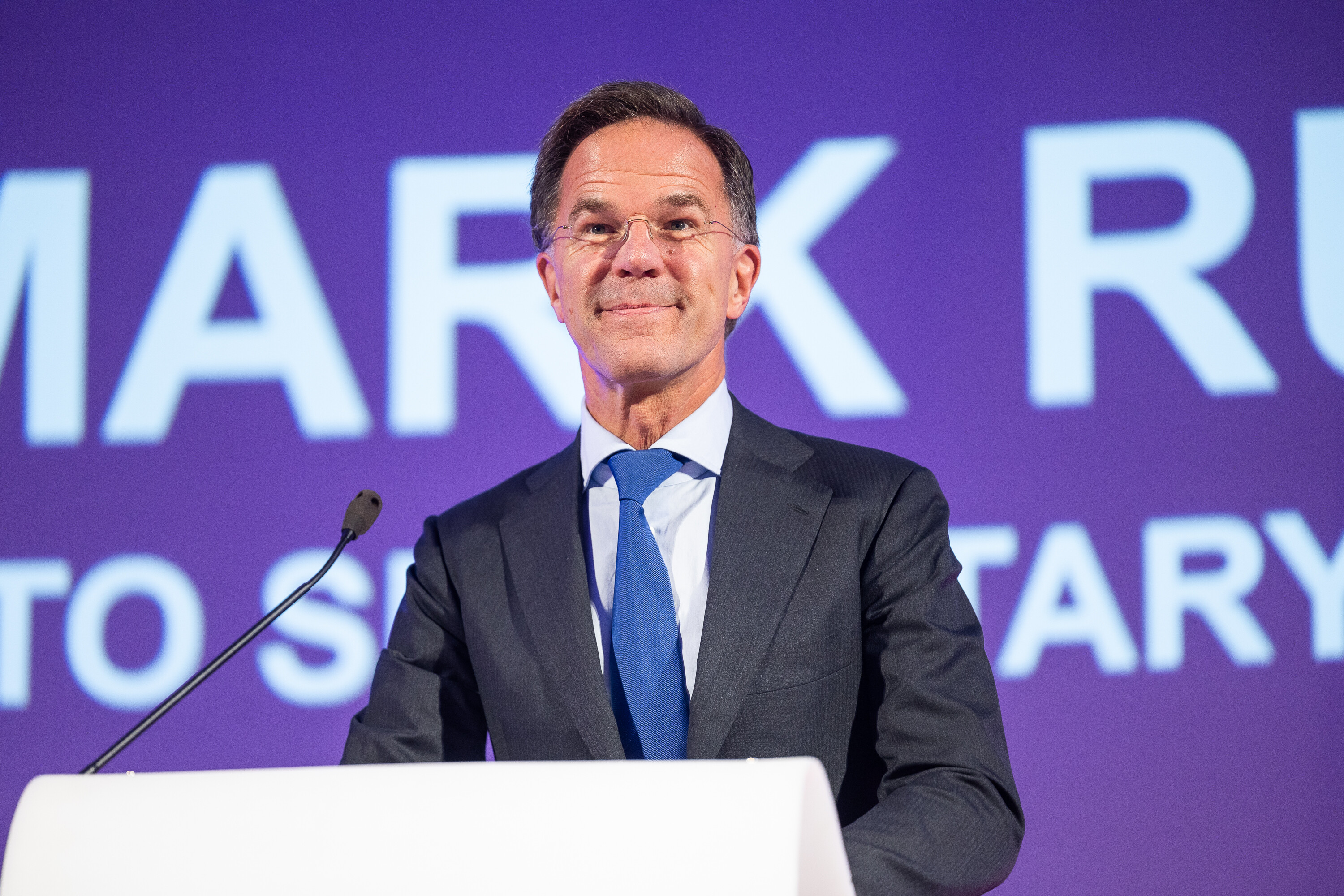
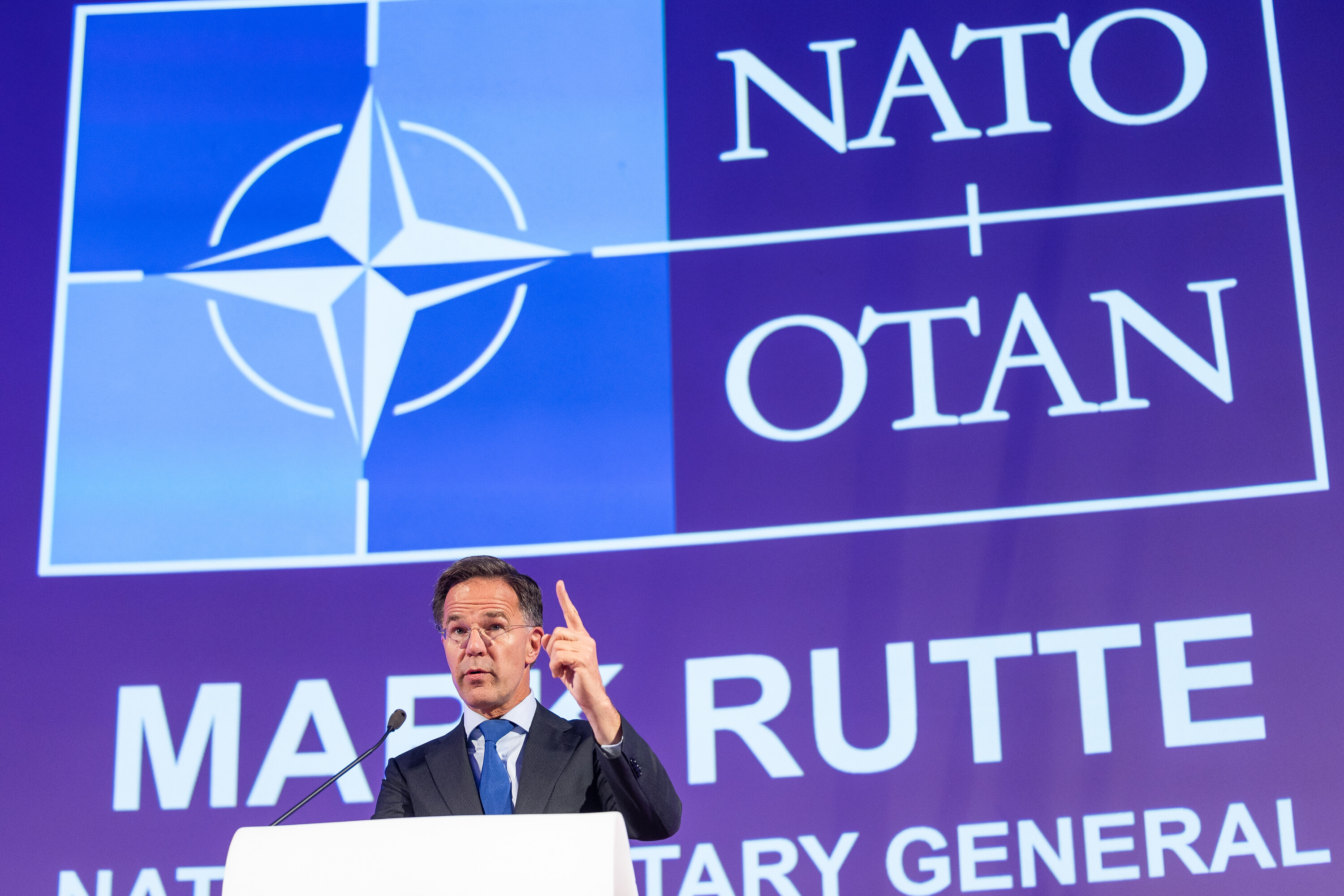
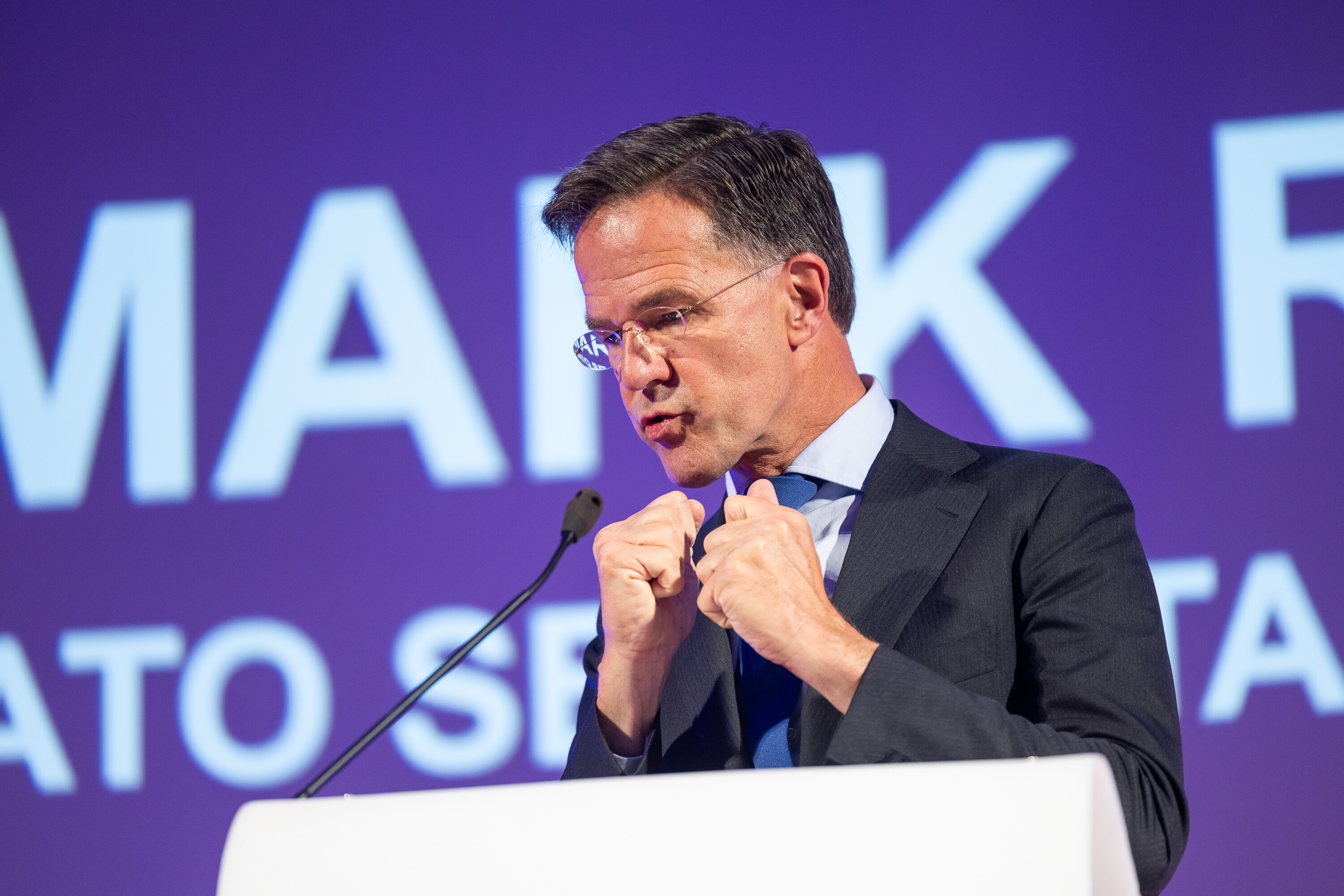
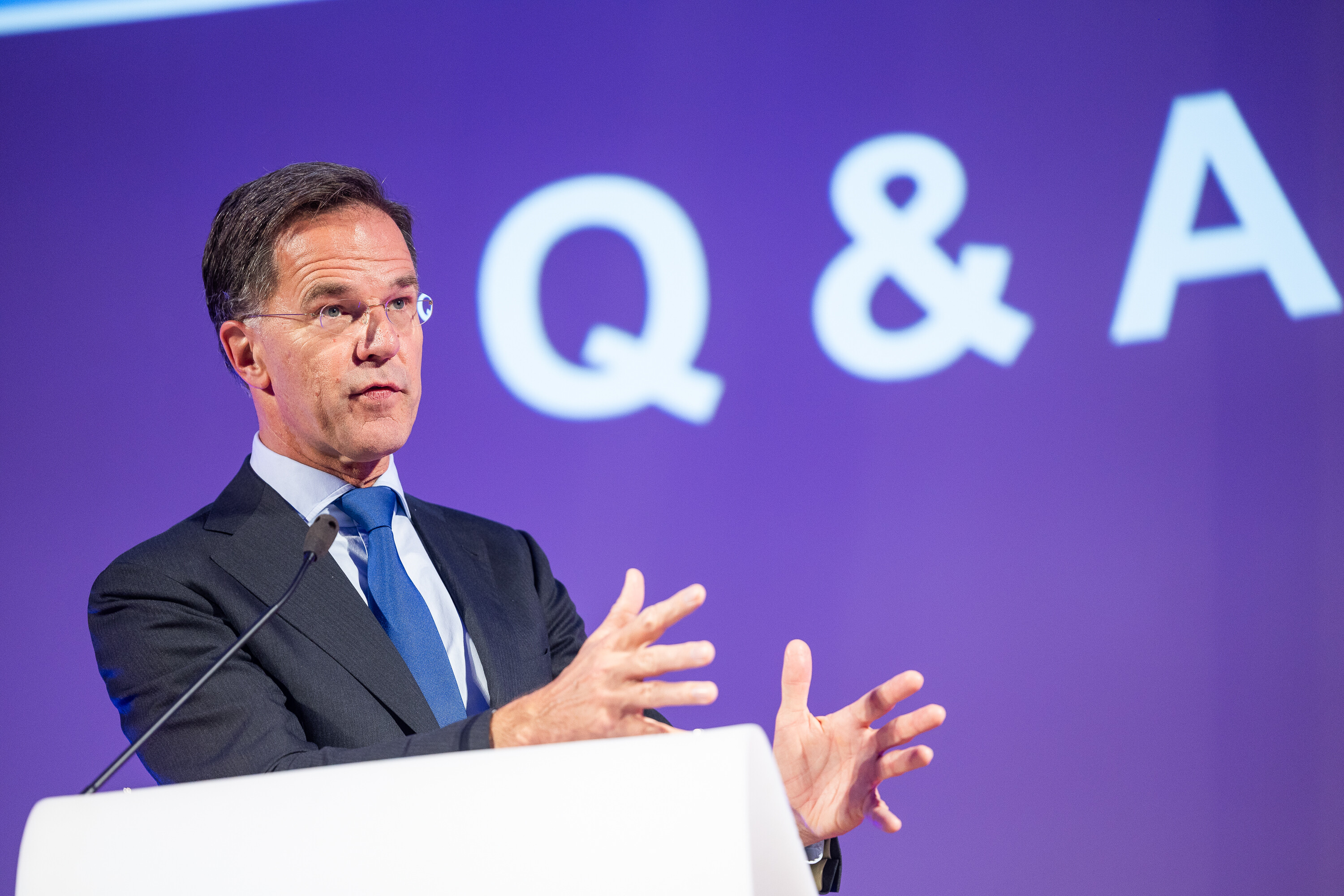
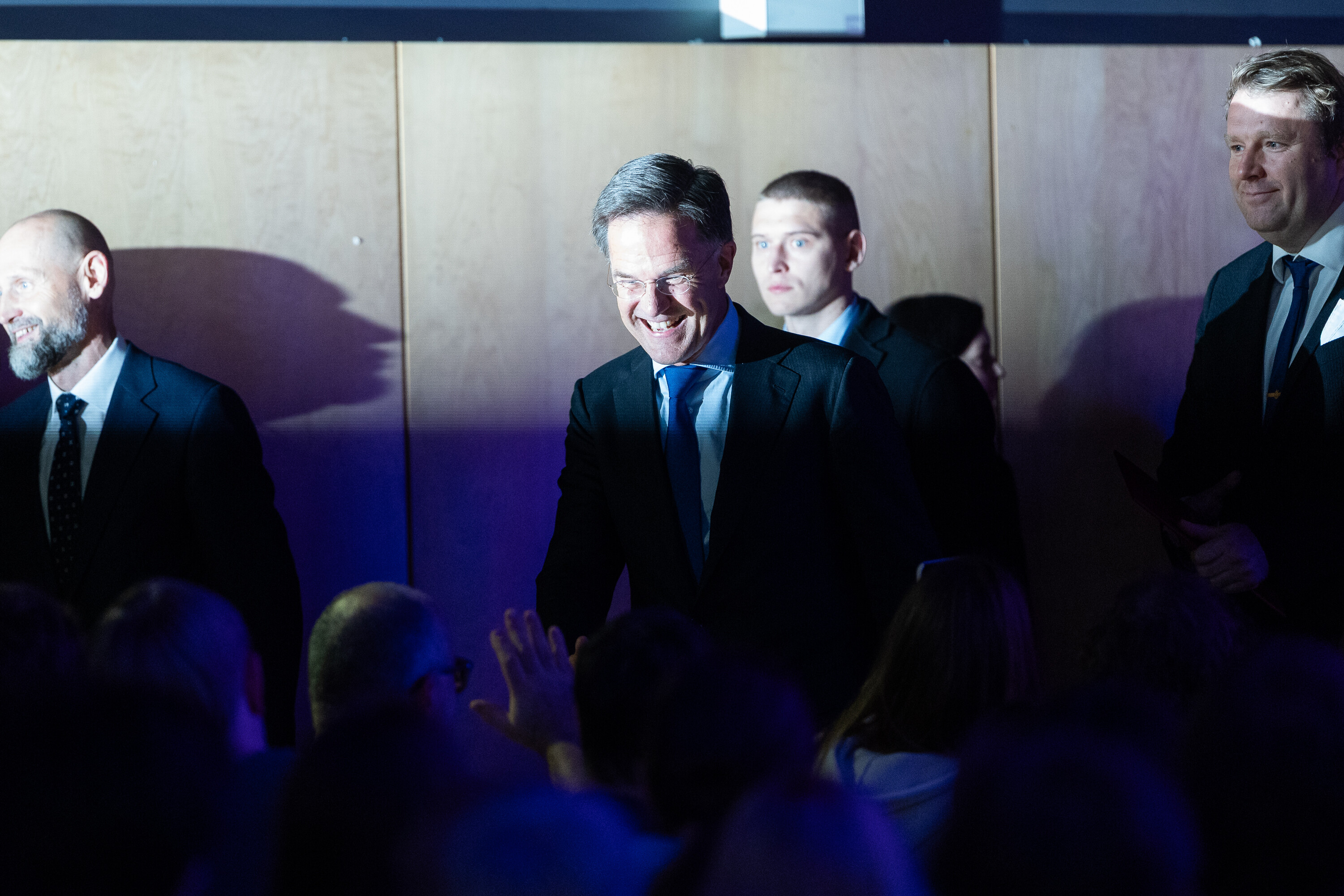
NATO Secretary General Mark Rutte said Estonia does not merely meet the alliance's defense spending requirements — it sets the standard on it and other contributions.
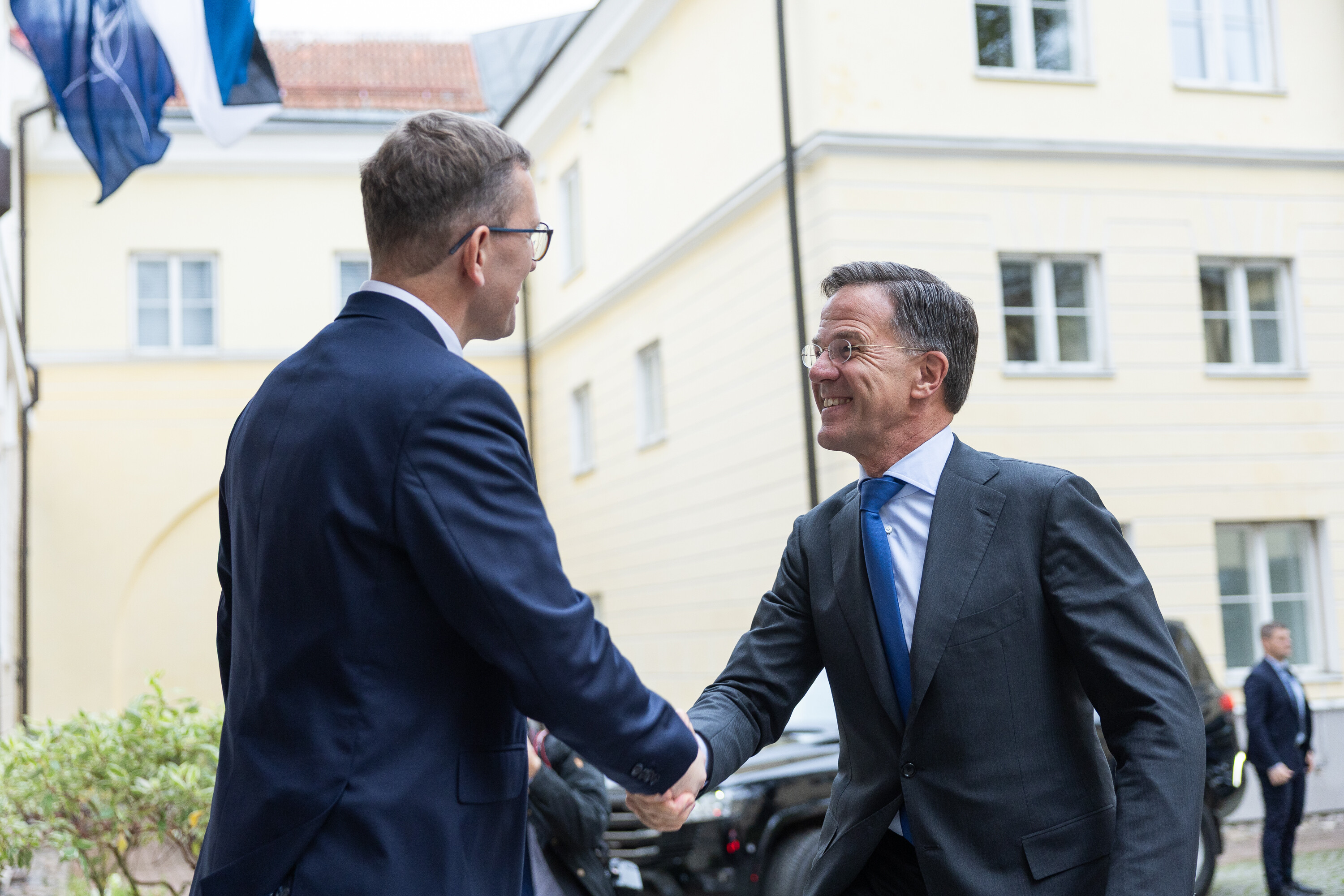
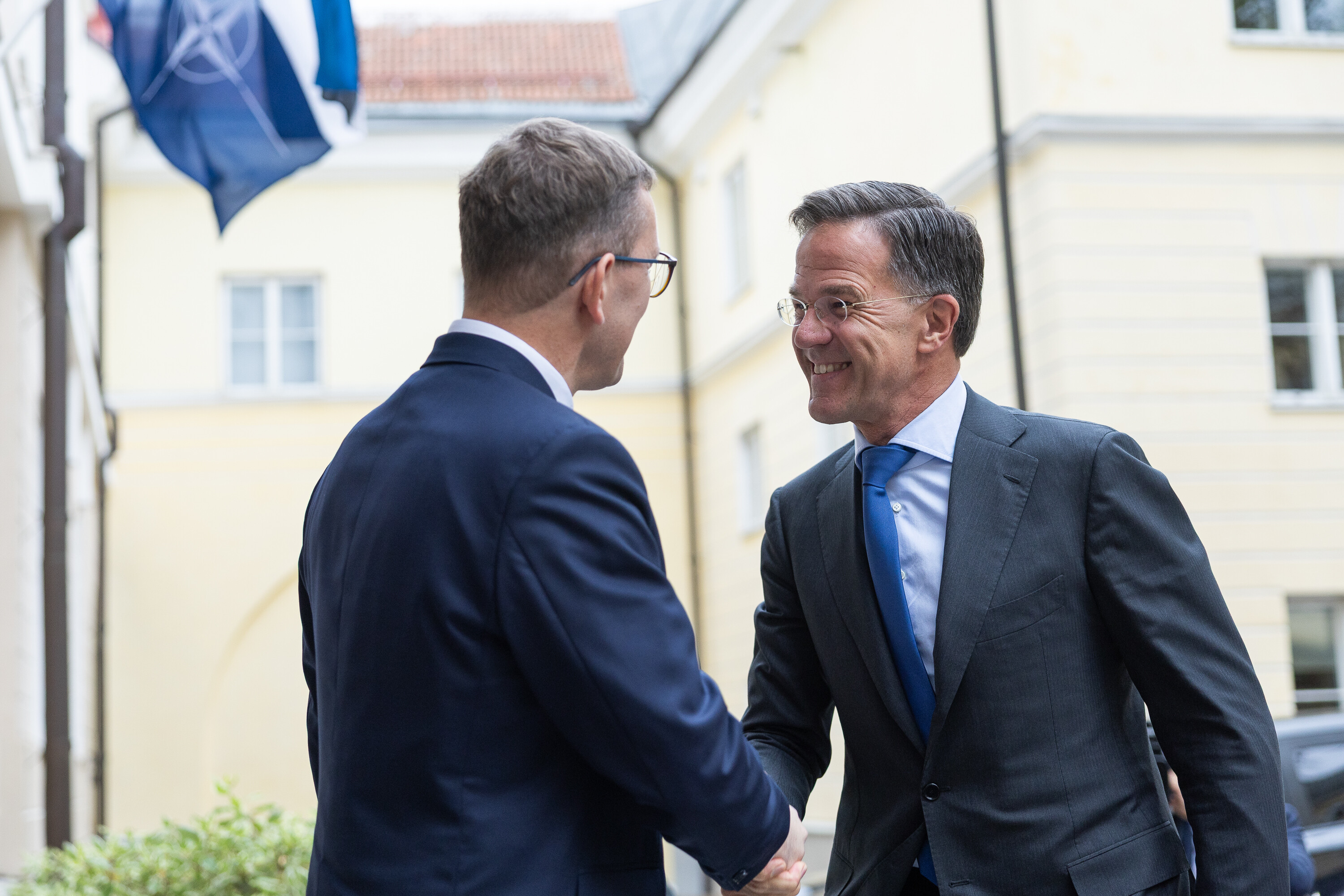
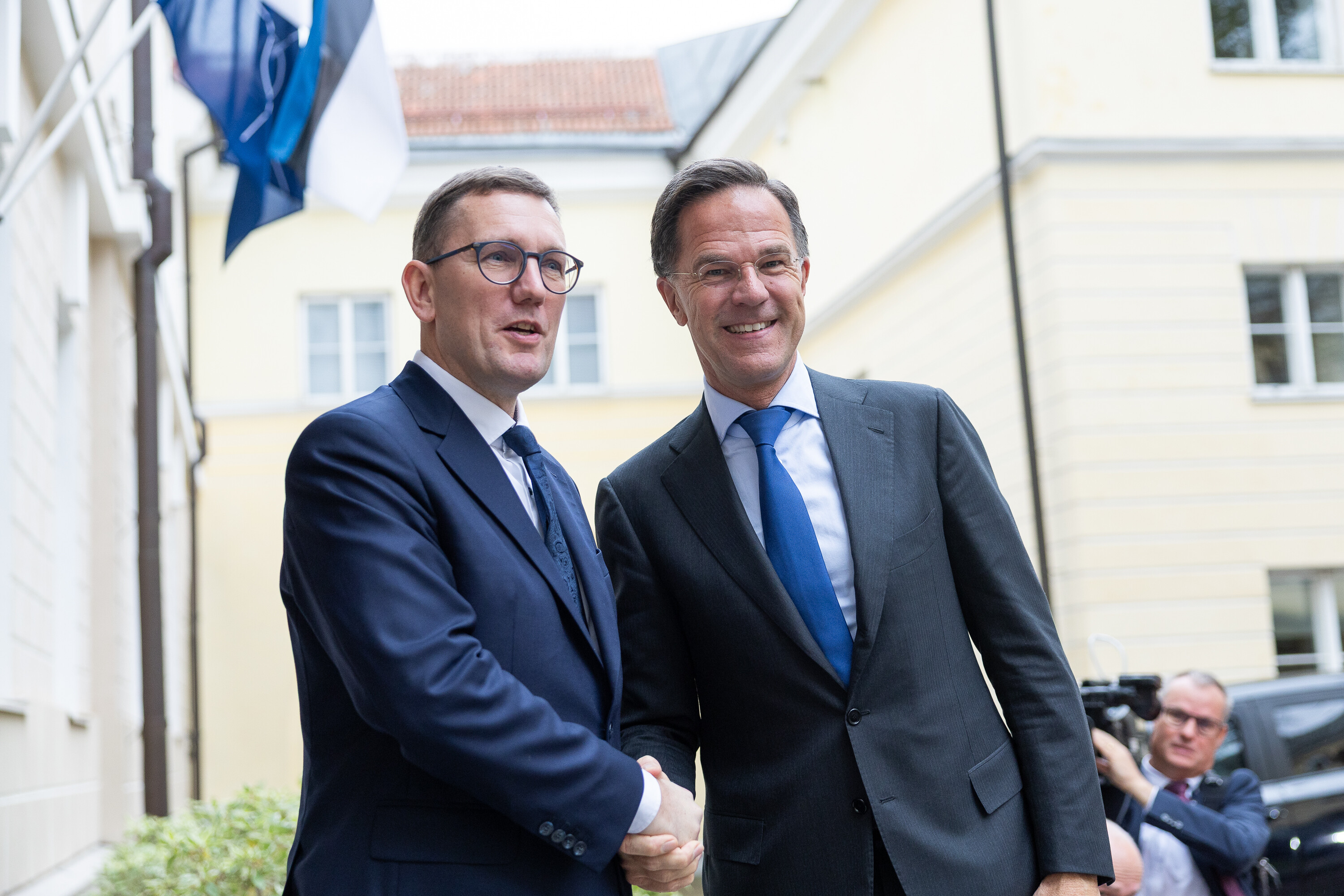
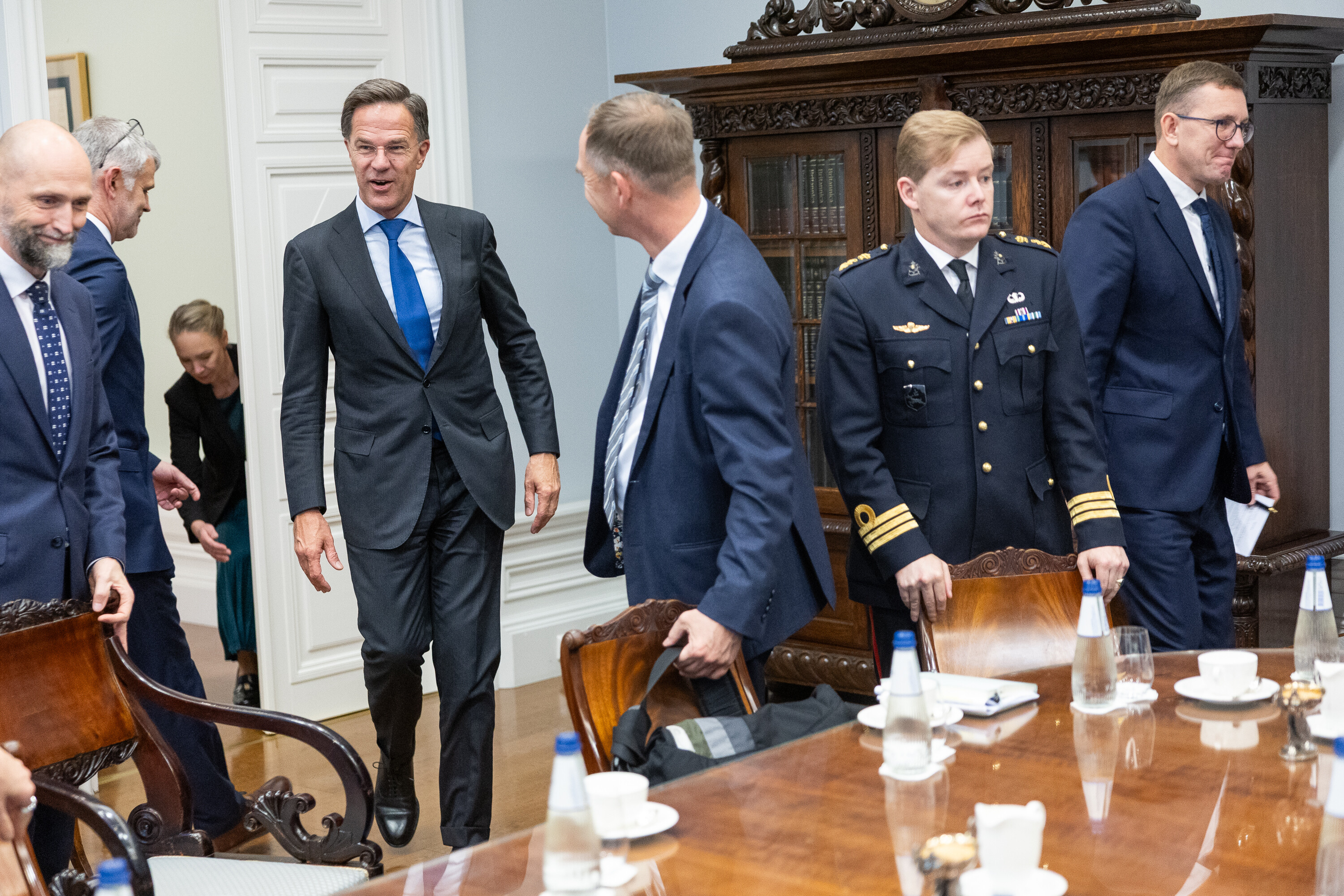
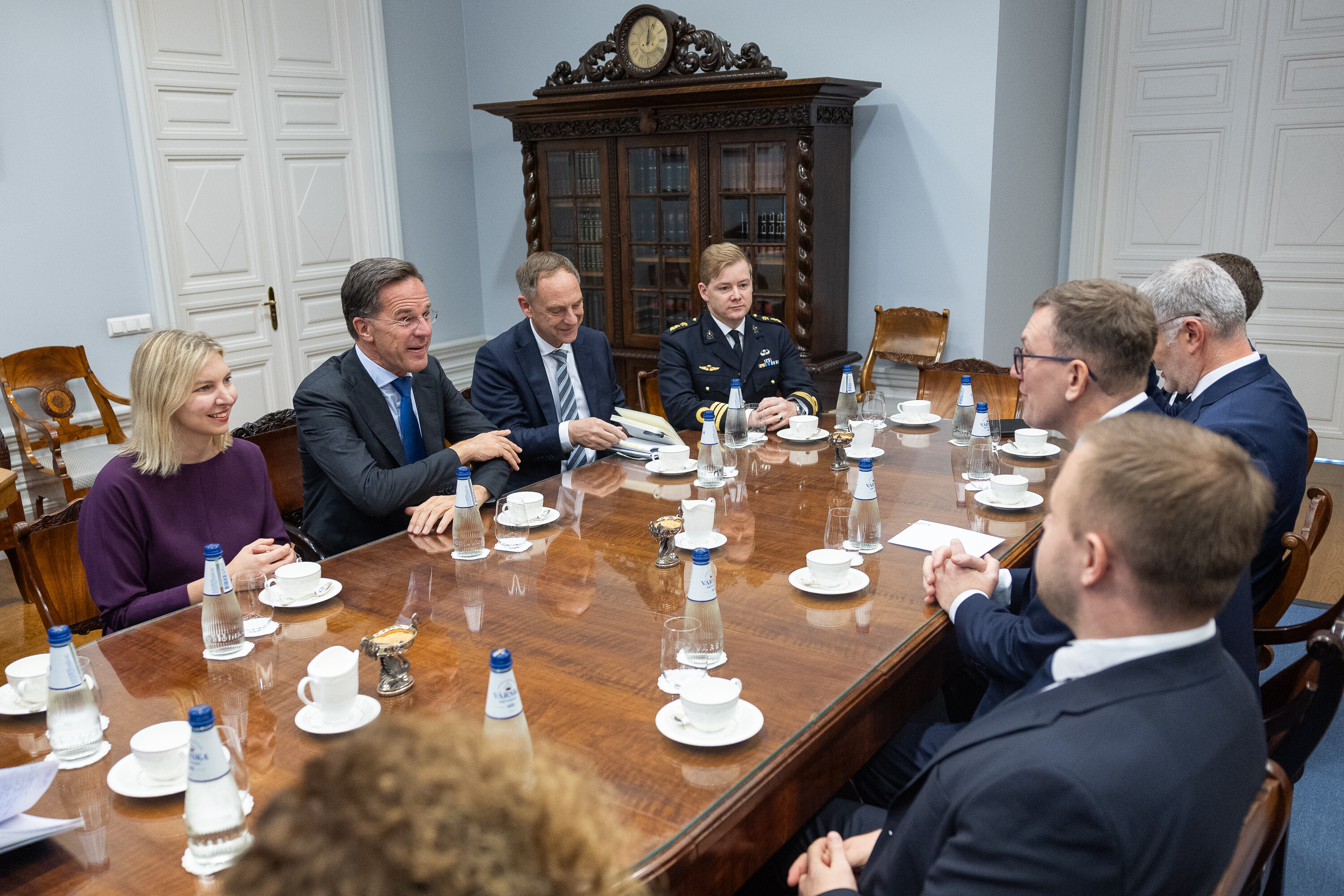
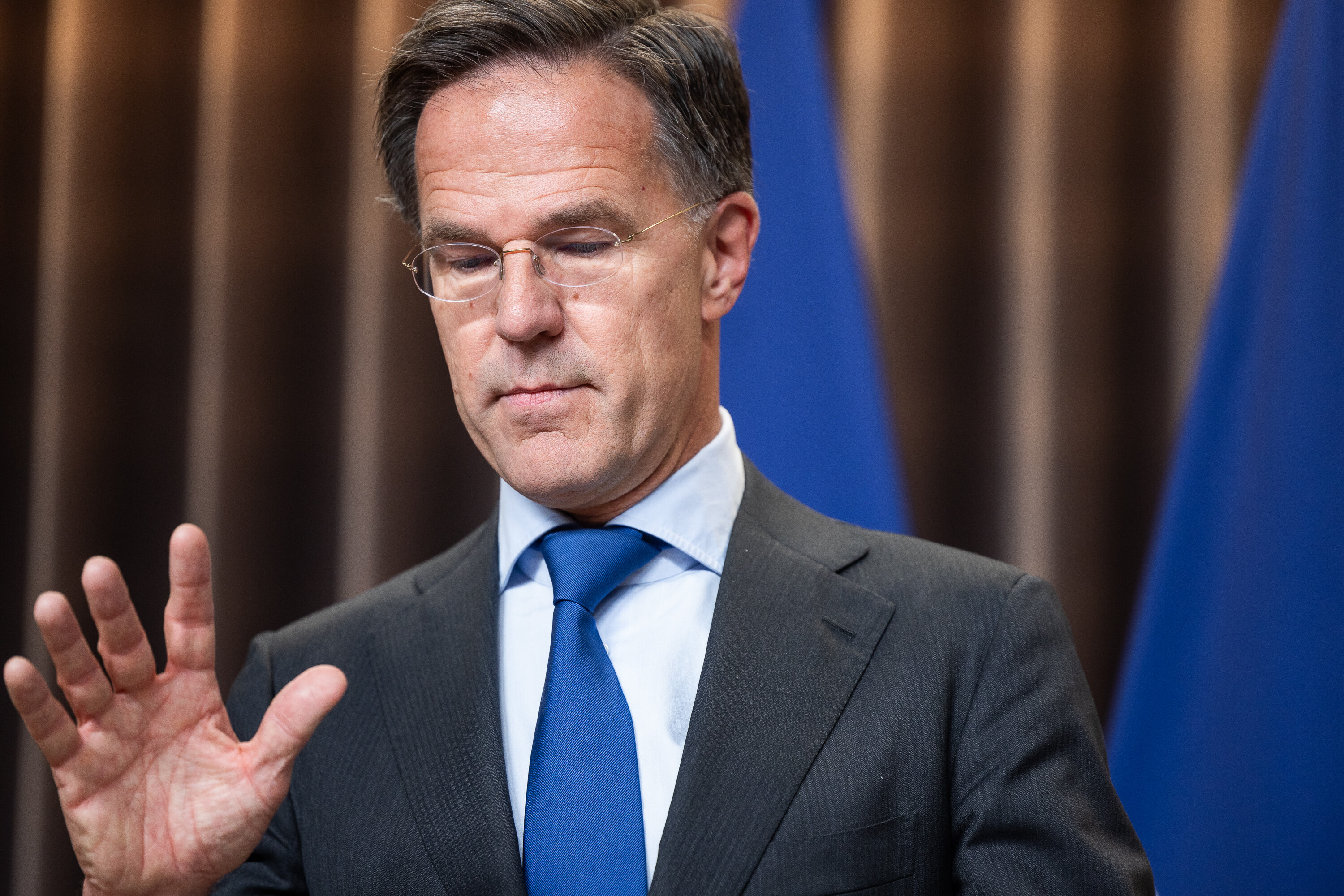
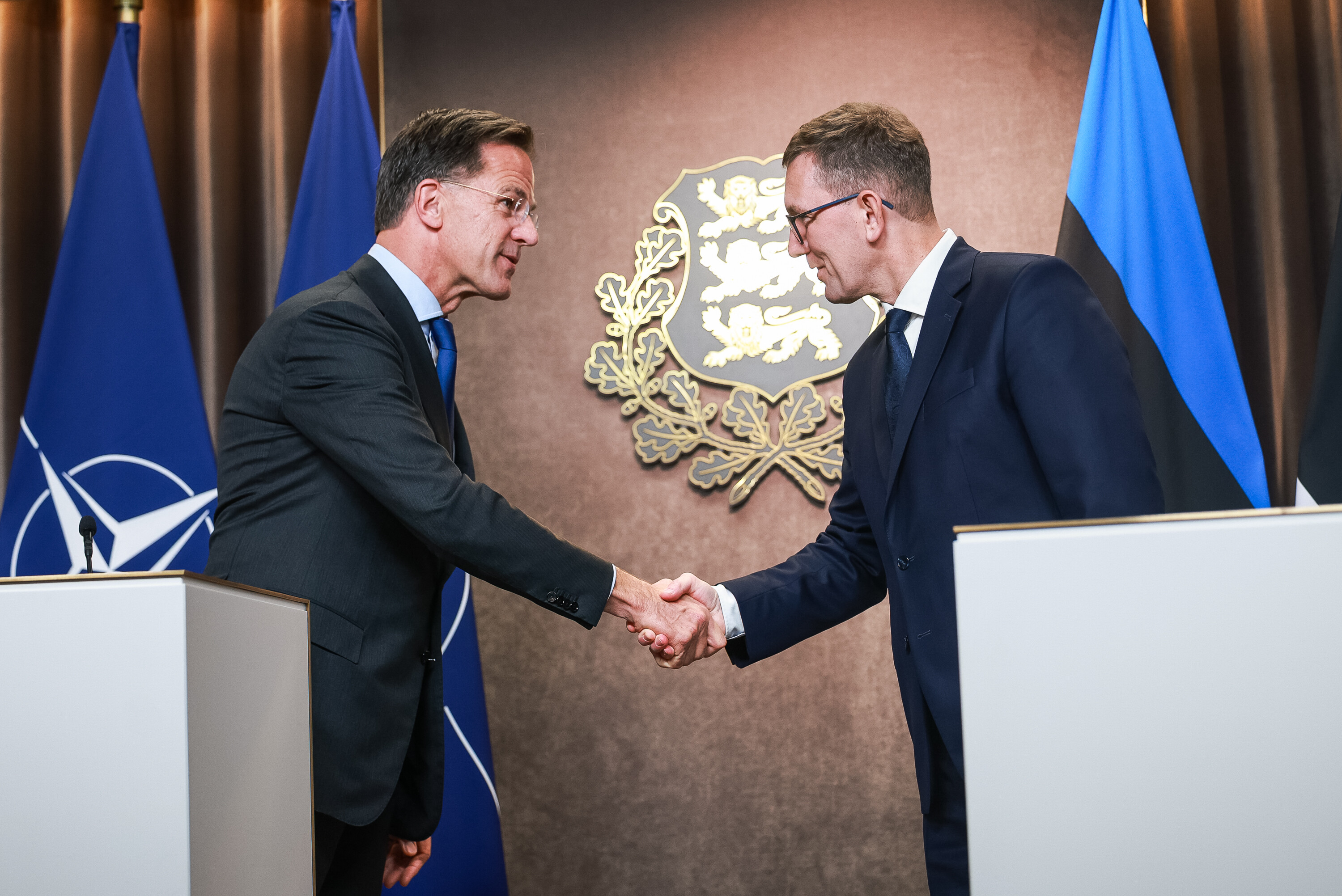
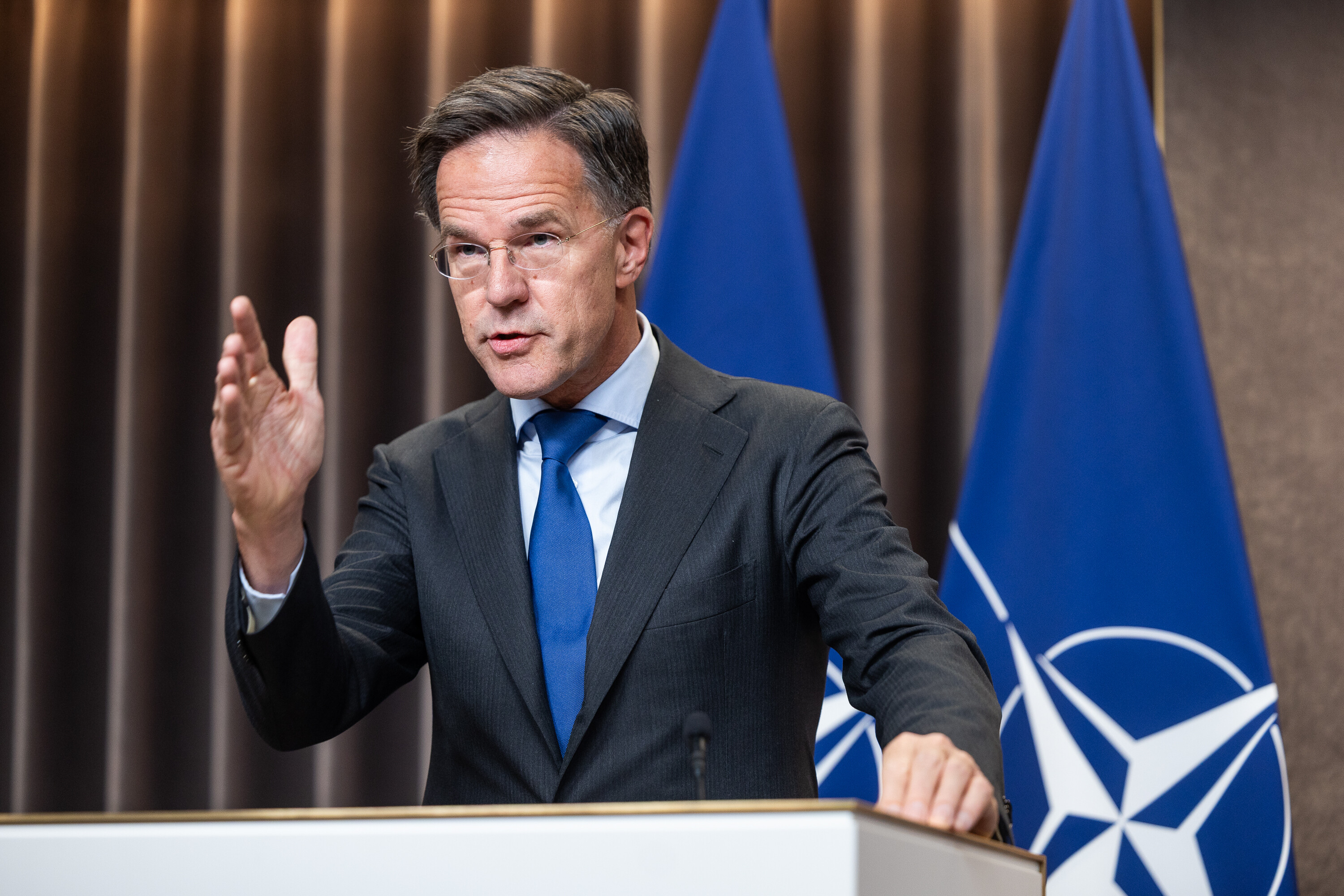
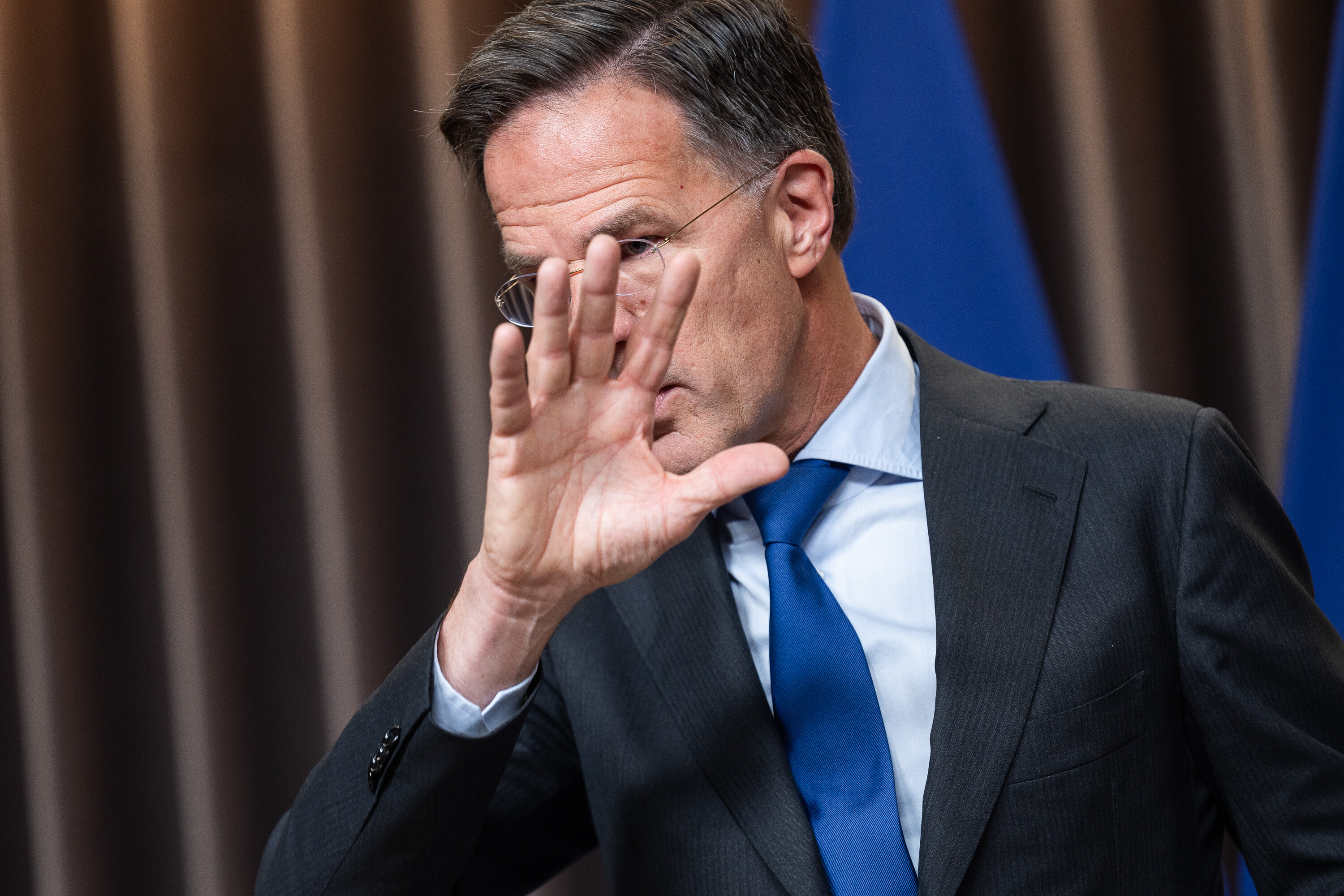
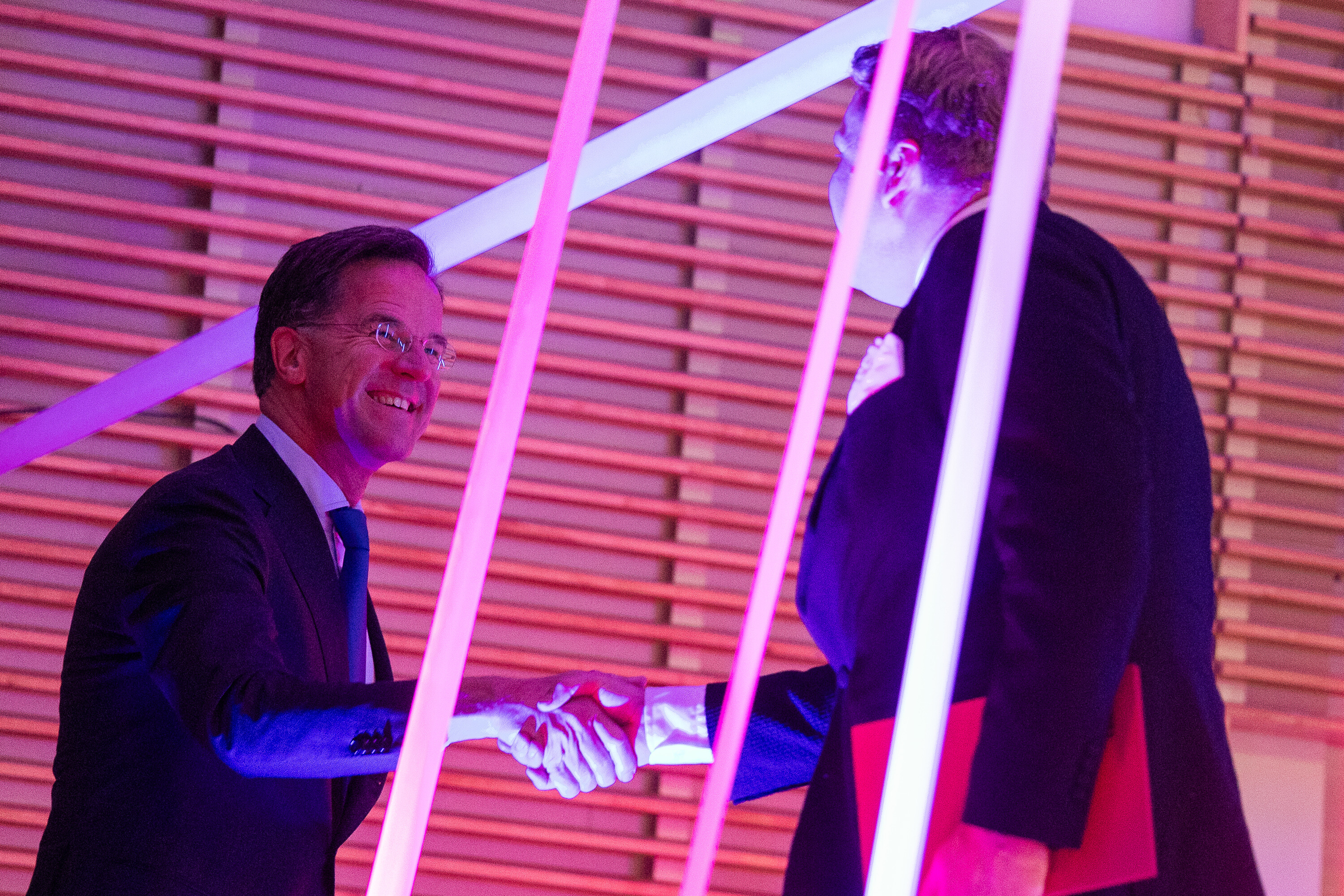
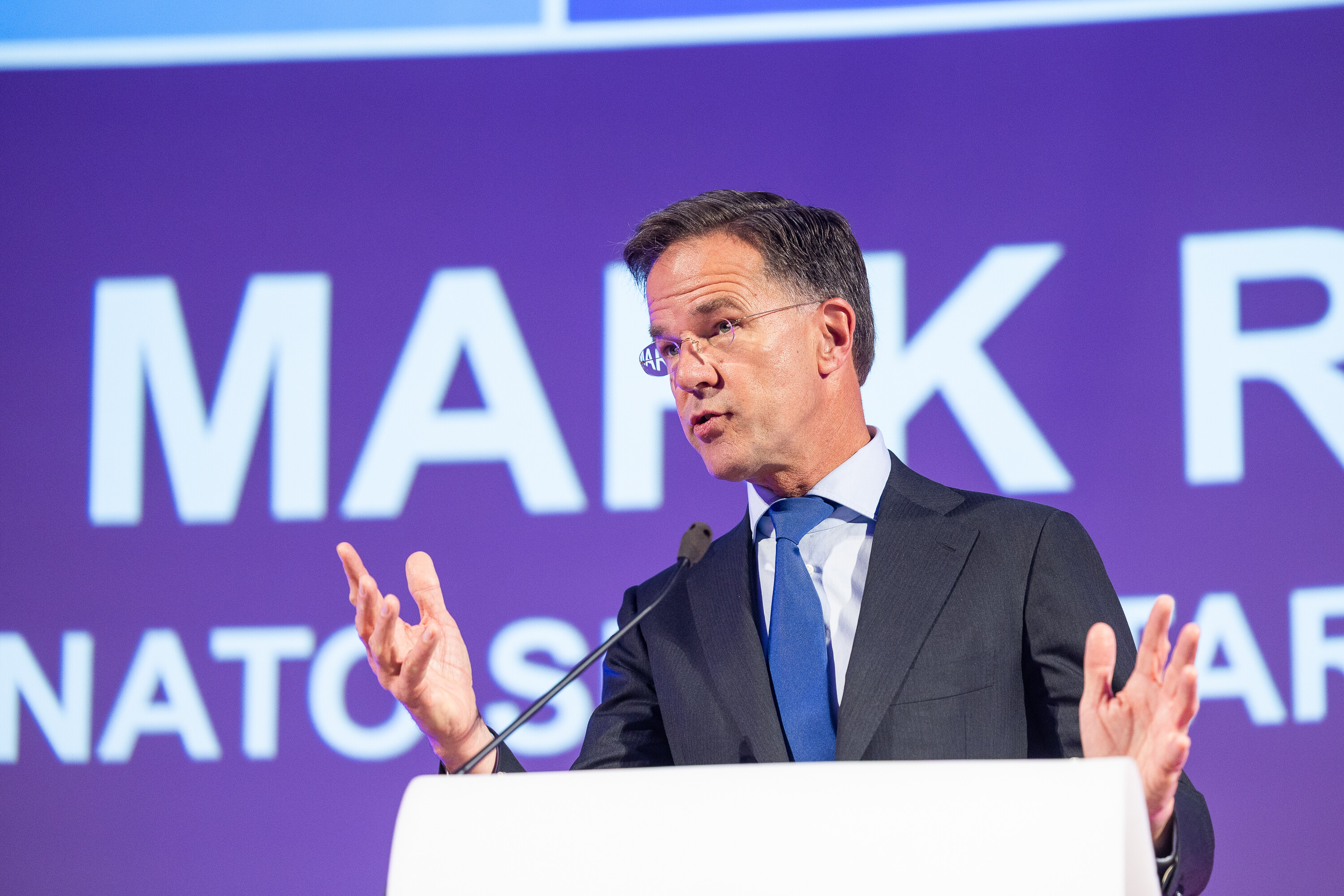
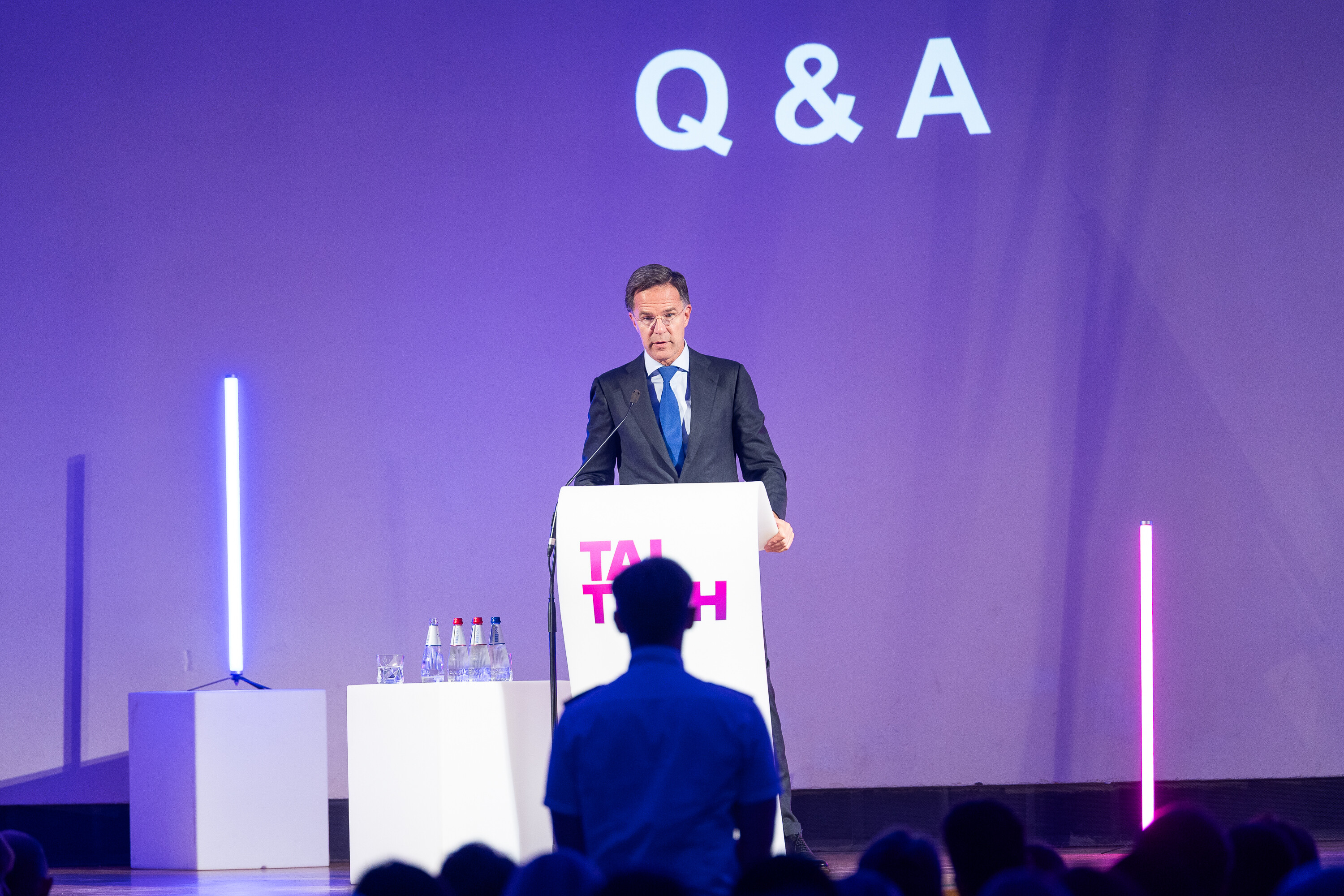
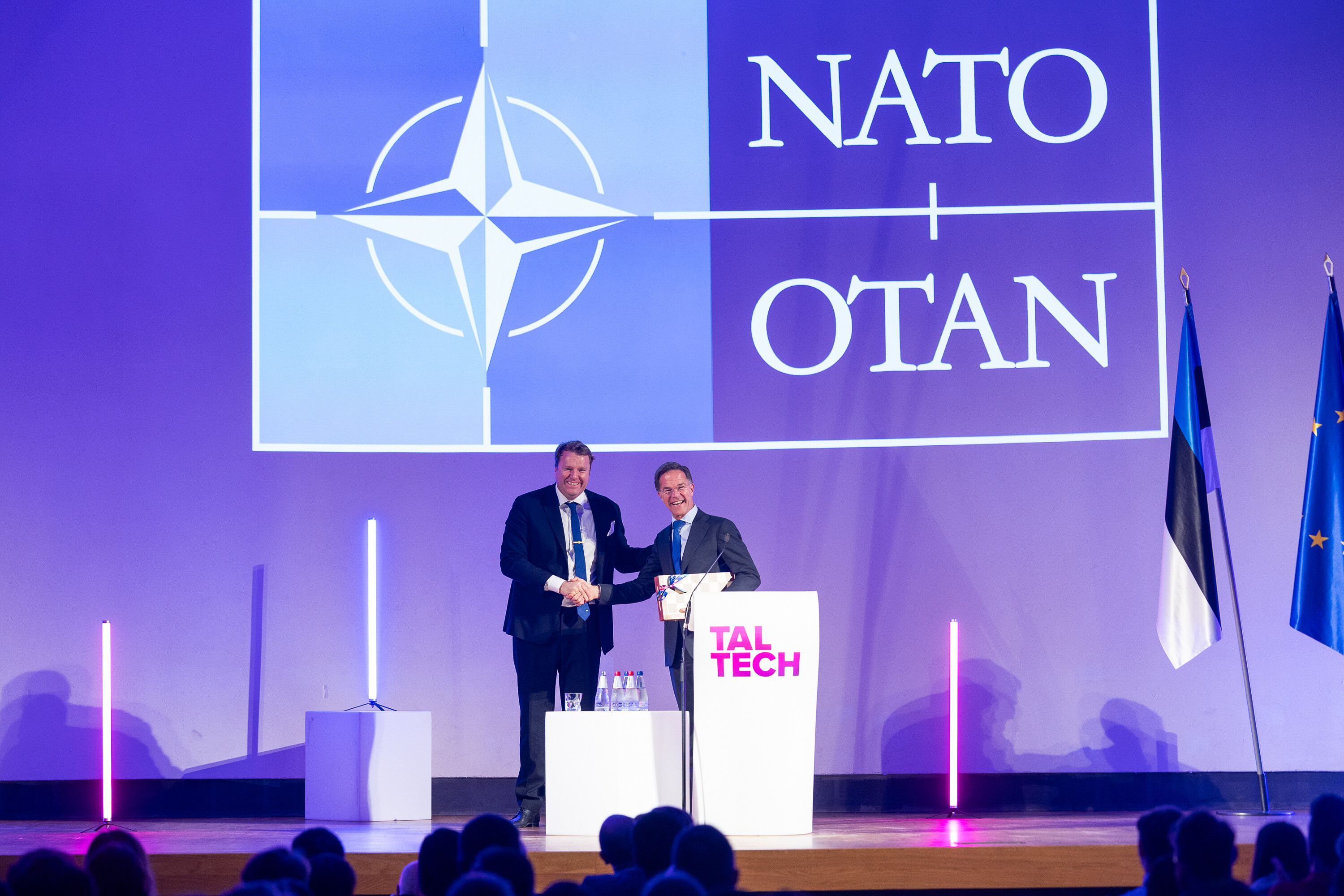
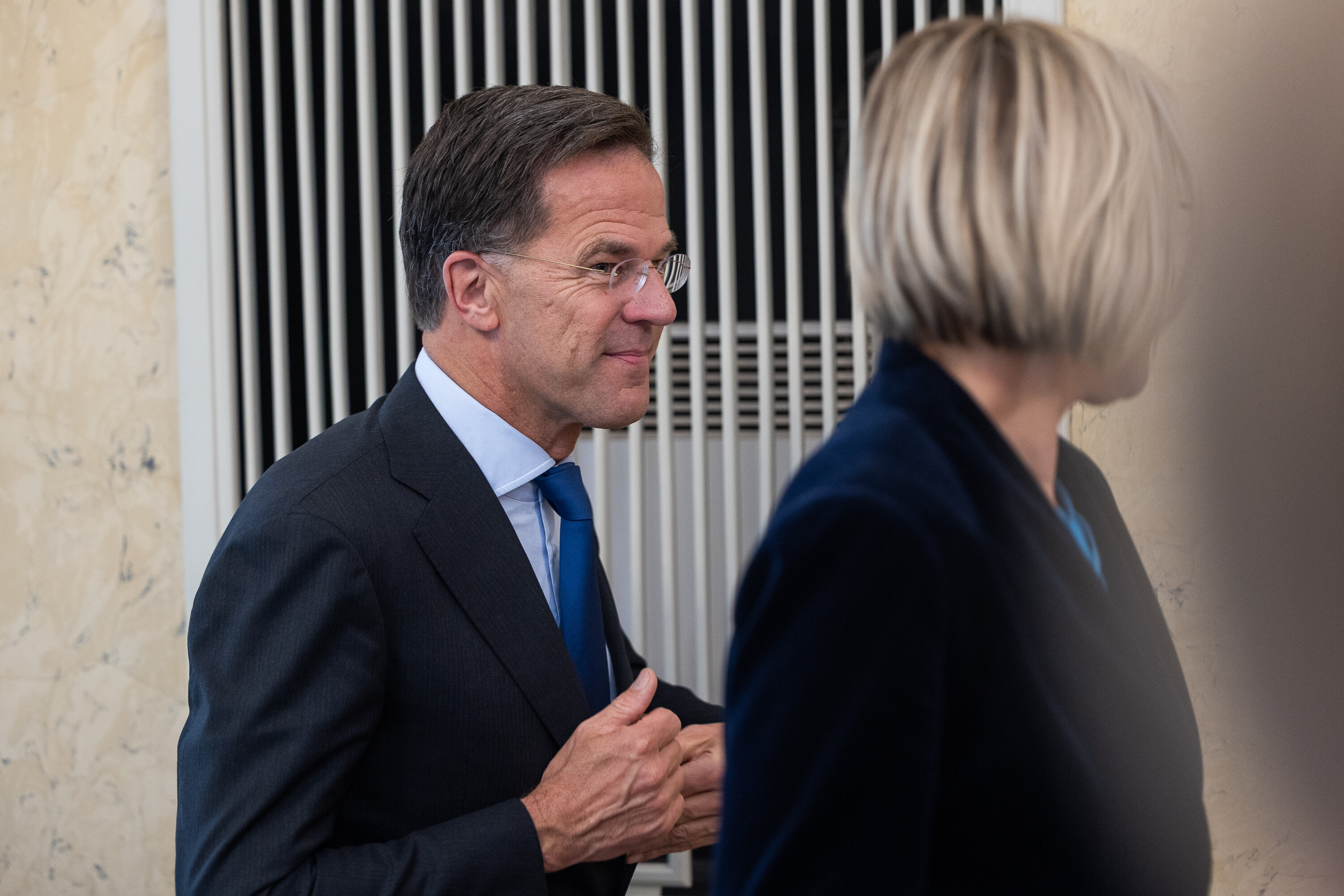
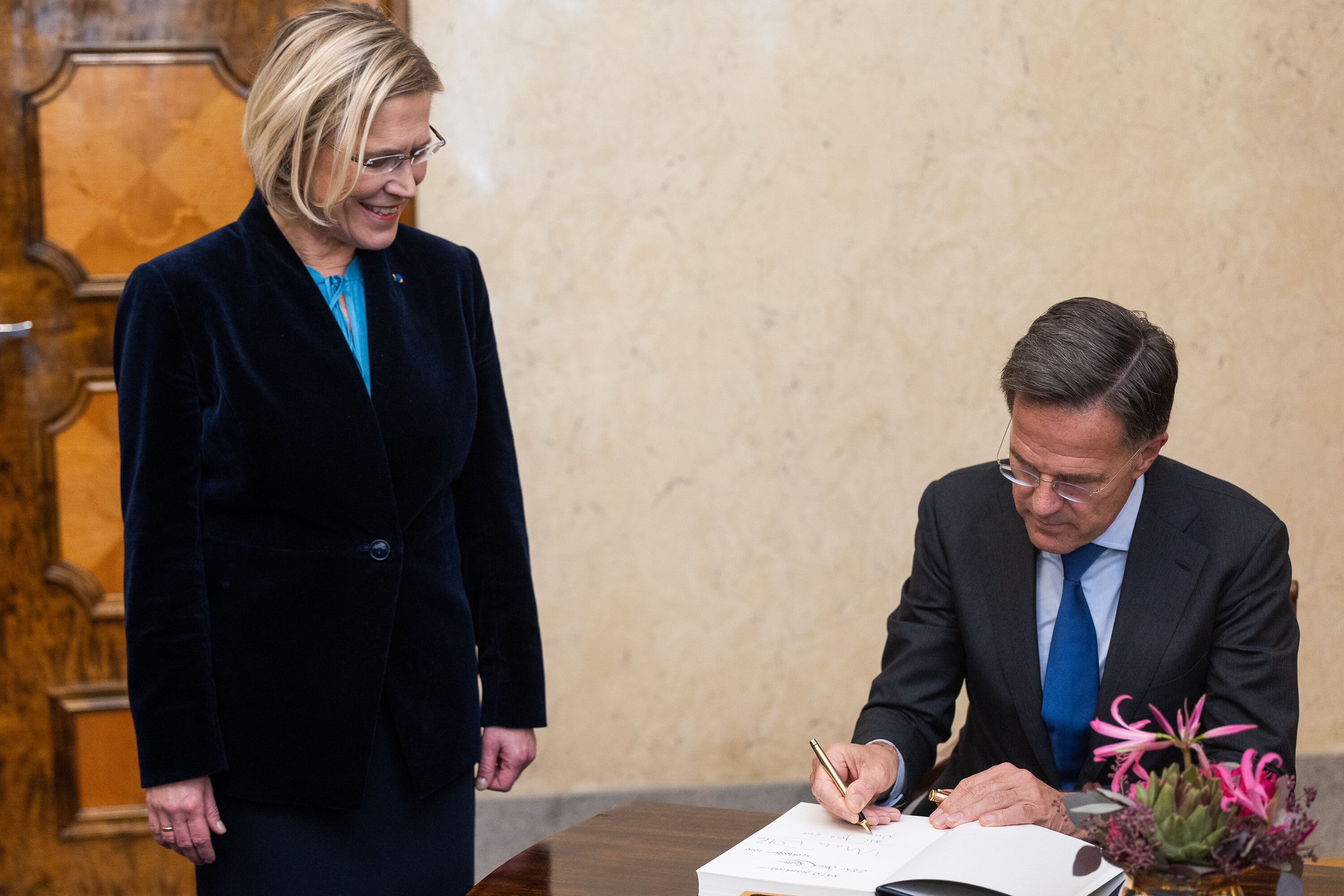
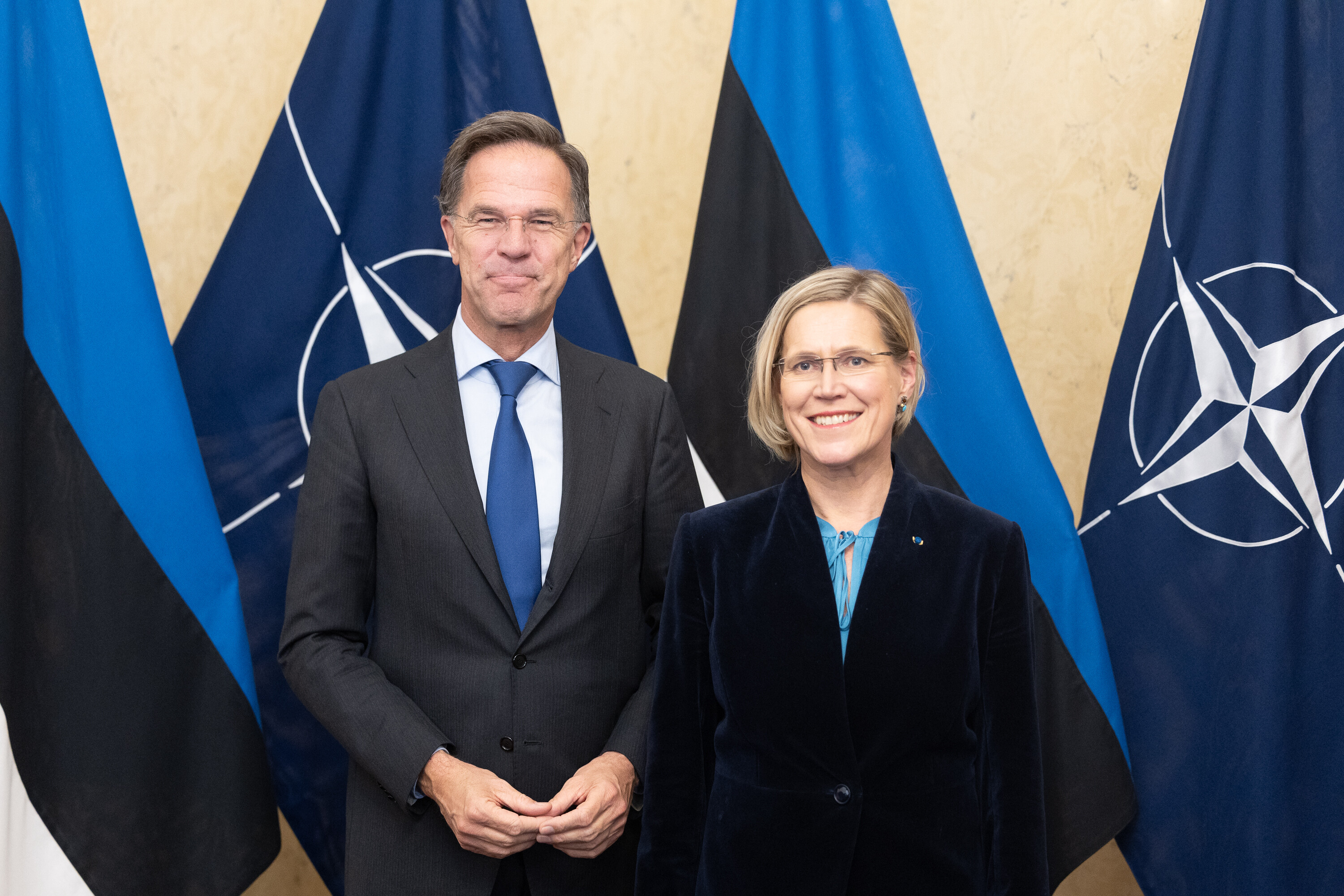
Rutte was on an official visit to Estonia Wednesday. Speaking at a press conference in Tallinn, Rutte said "You don't just rely on the alliance – Estonia strengthens it," Rutte said.
"Estonia doesn't just meet its commitments, it sets the standards," he went on noting Estonia's defense spending at 5 percent of GDP is among the highest of member states, and its "exceptional leadership" in support for Ukraine.
The NATO Secretary General also called Russia's hybrid attacks, such as the Milrem Robotics arson attack, an attempt to force attention onto Putin and his problems rather than onto Ukraine's fight.
"Putin is trying to weaken our resolve and stop our support for Ukraine, but Russia is failing – it is failing on the battlefield in Ukraine, and we will not be intimidated."
"These hybrid attacks … are a sign of weakness. What they love us to do is to talk about it all day, and to be rattled, and to have press conferences on it. We're not going to do that. We will react where we need to react," noting that while some high profile responses to Russia's hybrid attacks, for instance Baltic Sentry, is highly publicly visible, other responses are not.
In response to a journalist's question, Rutte said NATO is a defensive alliance and there is no evidence Russia would attack a NATO ally.
"We don't think so, and we so no imminent threat against NATO territory. If we would see a build up, we will react to it."
Also appearing at Wednesday's press conference was Estonian Prime Minister Kristen Michal (Reform), who said Ukraine's NATO membership would in the long term be Estonia's strongest security guarantee, and that NATO itself would benefit.
Michal said supporting Ukraine represents a part of Estonia's own security, as Russia's aims have not changed. He said Russia is testing allied unity with hybrid attacks and trying to draw attention away from Ukraine — to make allies focus on their own problems and tire of supporting Kyiv.
Michal said Estonia will continue its military support, with aid this year amounting to 0.28 percent of GDP, down from 0.35 percent last year. He said Estonia has contributed €21 million to NATO's PURL initiative, and announced a new €10 million contribution.
The Prioritized Ukraine Requirements List (PURL) initiative is a NATO-coordinated scheme under which allies and partners pay for weapons bought from the U.S. and sent to Ukraine. The U.S. itself has largely paused weapons donations to Ukraine under President Donald Trump, though it continues to share intelligence with Kyiv — as General Secretary Rutte pointed out in response to a question Wednesday.
The Estonian prime minister added Ukraine needs more weapons and, above all, more effective air defense, and that Estonia learns from Ukraine daily. He said Ukraine's experience is invaluable for developing Estonia's own defense capability and defense industry, whose revenues are growing at around 44 percent per year.
Ukraine's NATO accession is not currently on the table, largely due to opposition from several countries, chiefly the U.S.. Membership would also require Article 5 to apply, obliging all allies to come to the defense of an attacked member, and also requires a new member not be in a state of conflict at the time of joining, a condition which Russia has ensured cannot be fulfilled.
Asked about the claim that NATO could close Russia's access to the Gulf of Finland, and even the whole Baltic Sea, in the event of a conflict, Michal said that when it comes to the Baltic Sea, everyone can look at the Strait of Hormuz to imagine what would happen here if Russia attacked.
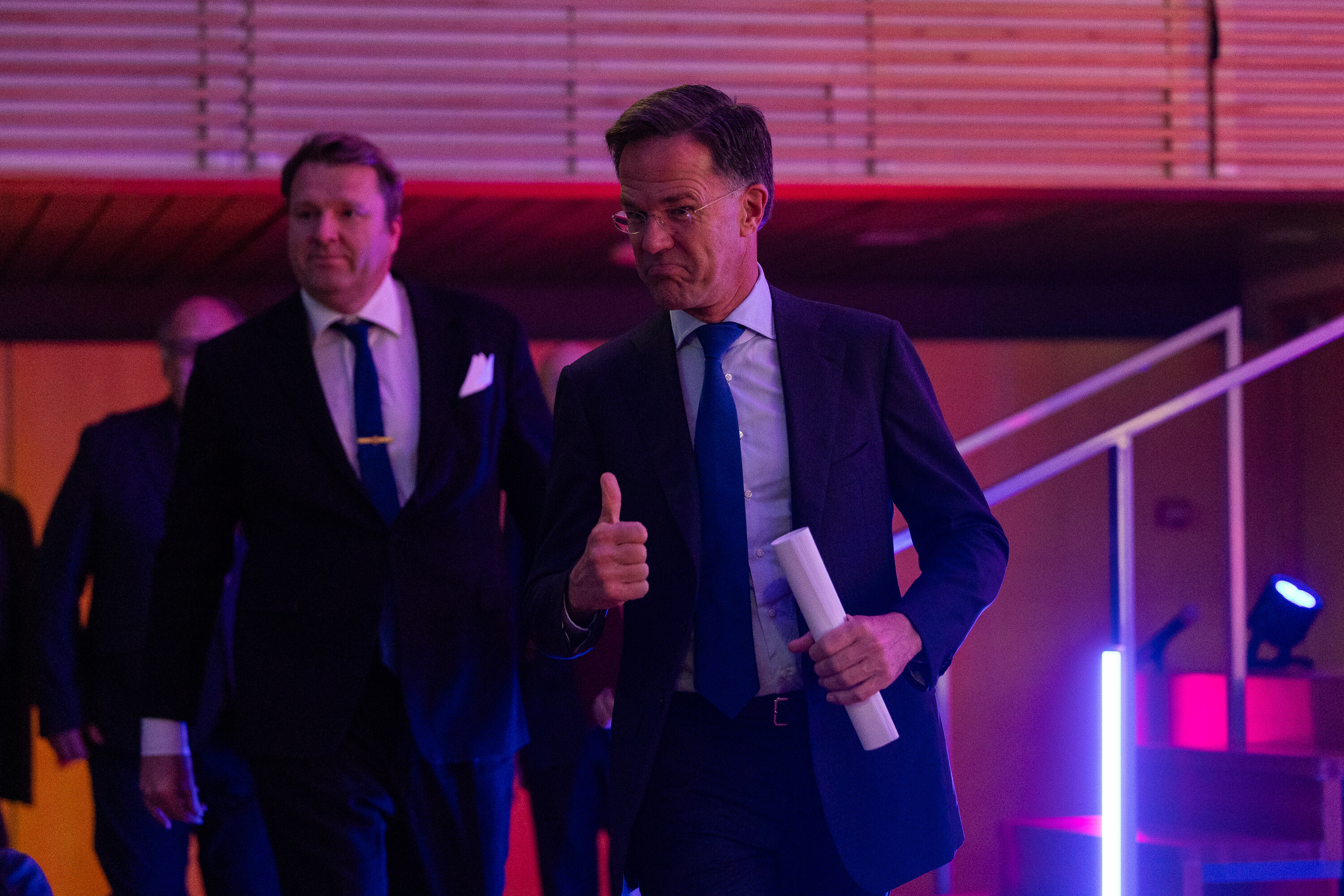
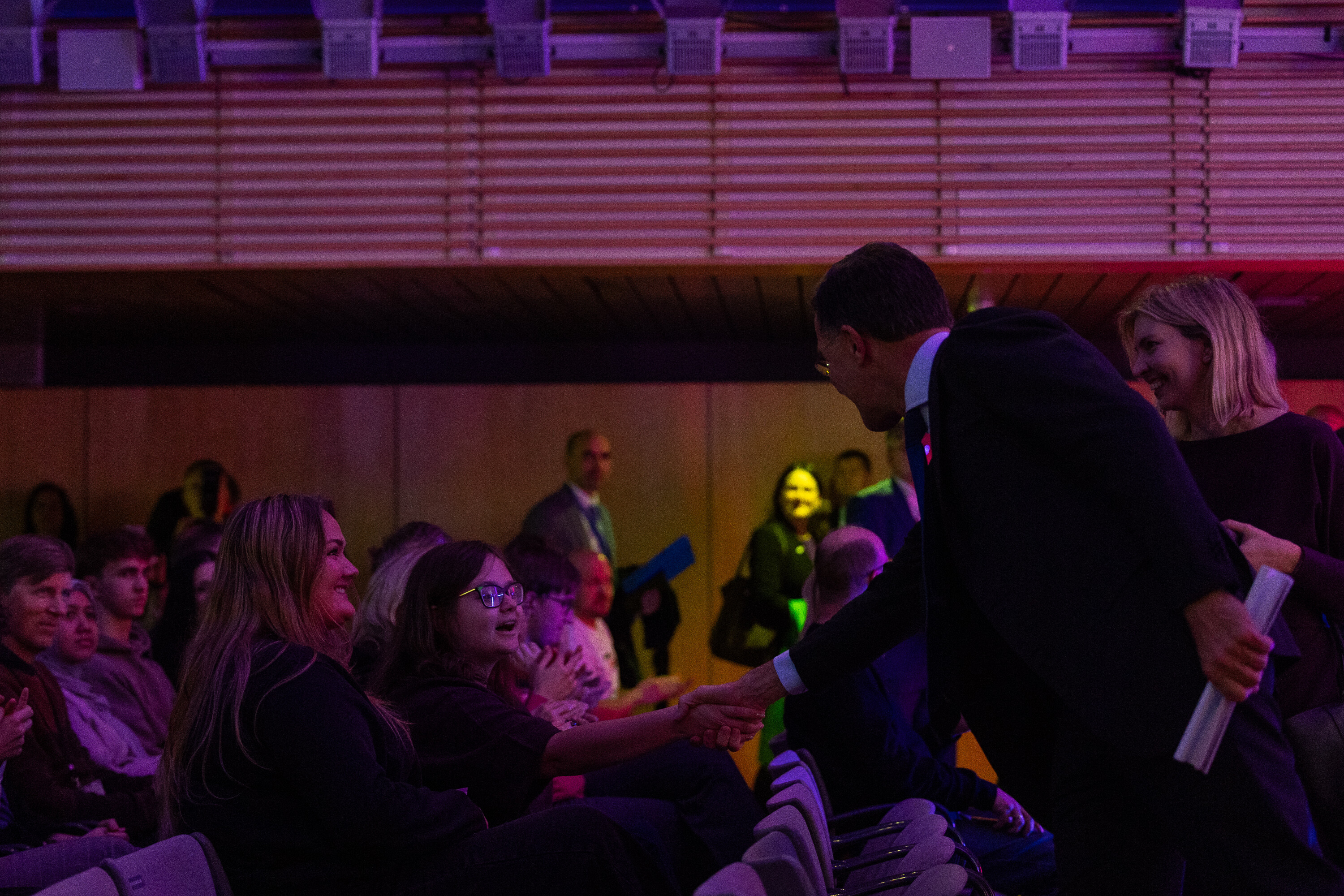
Rutte is visiting Estonia as part of his tour of NATO's eastern flank.
Wednesday's press conference can be rewatched by clicking on the video player above.
--
Follow ERR News on Facebook and Twitter and never miss an update!
Editor: Andrew Whyte