Expert: Trump parroting Putin's narratives and harming Ukraine's interests
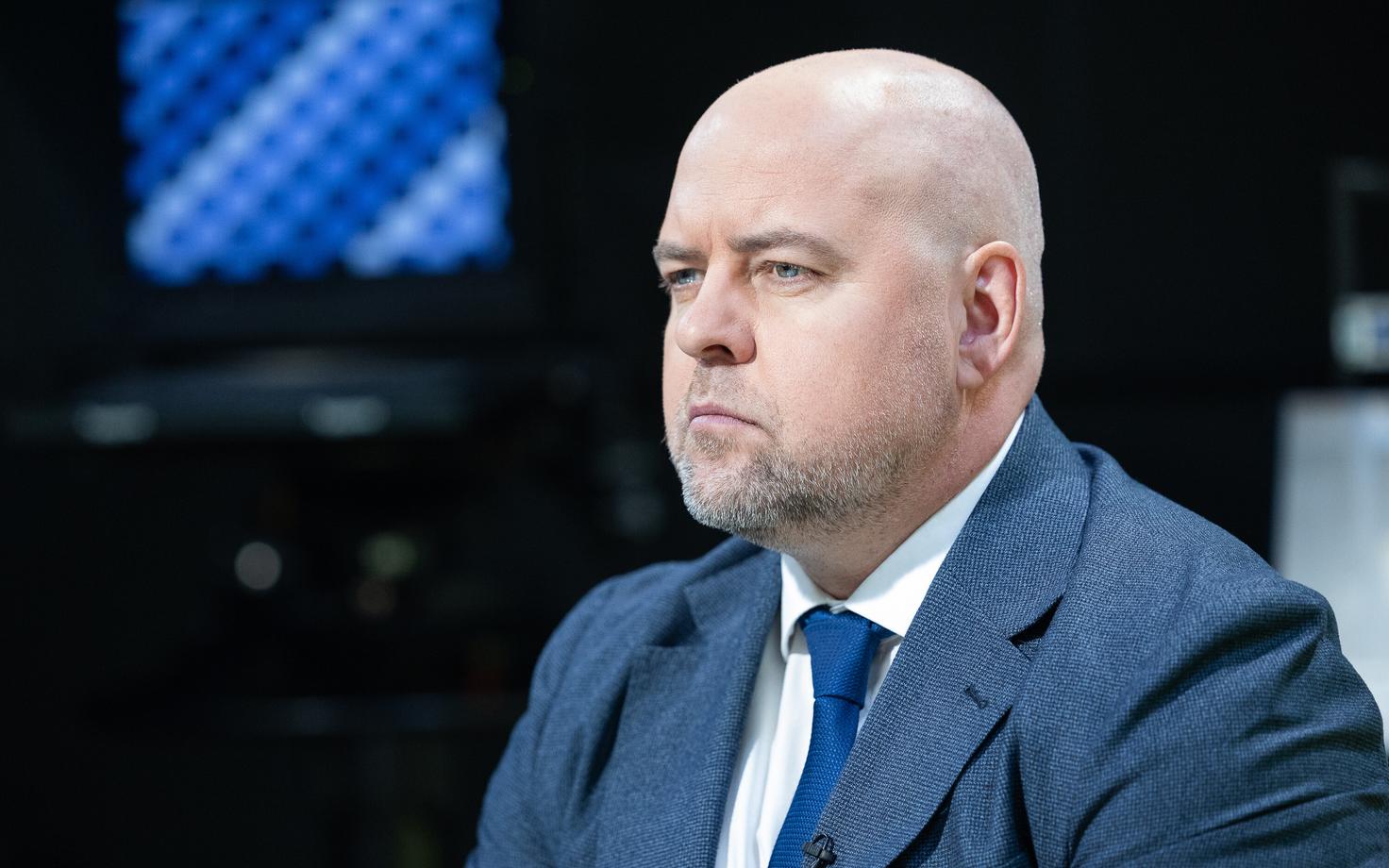
U.S. President Donald Trump's latest decisions are harming Ukraine in echoing Russian President Vladimir Putin's narratives, said security expert Marek Kohv.
Donald Trump has taken steps in recent days that are clearly harmful to Ukraine and are helping Russia conduct information operations, at the very least. There are also fears that these moves could help Russia emerge from isolation to some extent. Do you have an explanation for why Trump is doing this?
We have to look directly at U.S. domestic politics and the upcoming midterm elections. Of course, we can debate whether these moves have been the right ones or whether they will have any impact on the midterms at all. All the experts have said that the impact of Trump's diesel deal on global oil prices, for example, is practically nonexistent.
Second, American voters are generally not supporters of Putin and roughly two-thirds of them still back Ukraine. So it is highly questionable whether Trump's moves will actually have any effect on the midterm elections. But perhaps what they demonstrate more than anything is that Trump is far more willing to support Putin than Ukraine.
President Volodymyr Zelenskyy, for his part, raised the stakes by saying in a remarkable interview with Piers Morgan that he feels betrayed by Trump. We all understand that sometimes you desperately want to say certain things, but did Zelenskyy go too far this time?
In my assessment, he did not. What would the alternative have been? To remain silent?
Trump takes offense, holds grudges and retaliates.
Yes, but I think allies can have disagreements and differences of opinion. What Zelenskyy is doing now is drawing attention to the reality of the situation. As president of his country, Zelenskyy's primary responsibility is to protect his country and its people.
You cannot keep playing this game of flattery indefinitely when it has not actually produced results. After senior U.S. administration officials ganged up on Zelenskyy at the White House, he tried to continue with that approach.
And for a while, it seemed that everything was going smoothly.
Exactly, for almost a year. But ultimately, we still see Trump making decisions based on other considerations — what those considerations are, we do not know. It seems that decisions that are extremely damaging to Ukraine and Europe always come after Trump has had a constructive phone call with Putin.
When it comes to diesel prices, Donald Trump should look in the mirror and think about the Strait of Hormuz and the war with Iran. Was it really necessary to go about it in this way?
Absolutely. What Trump is apparently trying to do is shift the blame onto someone else — rather than acknowledge that his intervention in Iran was the cause, he wants to place the blame squarely on Ukraine. In doing so, he hopes to divert the attention of his domestic audience away from the war with Iran.
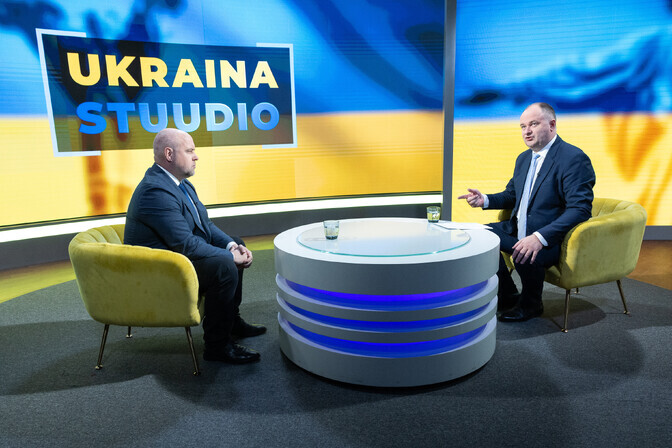
And there is another very important point here: I cannot think of a single instance in history when making concessions to Russia has motivated it to change its policies and come to the negotiating table.
Absolutely. Just take this example: When Trump unilaterally announced a ceasefire, supposedly with the agreement of both sides, Russia's response was to launch another strike against Ukraine's energy sector just minutes later.
Ukraine once again tried to act as a responsible partner and refrained from attacking Russian oil refineries for three days. Russia, meanwhile, continued its brutal attacks throughout that period, so Ukraine eventually abandoned its restraint as well.
What is your assessment of the restrictions on satellite communications, considering that, according to Reuters, the order came directly from the White House?
It has long been known that Musk owns the company and that he has the ability to implement such measures. But considering the geopolitical implications, an order like this really could only have come from the White House.
The fact that both Trump and Musk are now refusing to acknowledge which of them gave the order or where the initiative originated suggests that they probably understand just how politically toxic such a decision would be domestically as well. Americans would be quite angry if they realized that the United States had acted in a way that resulted in an extraordinarily large number of Ukrainian deaths.
Trump also lost his political nerve on another issue, declaring that Ukraine needs a new president. What business is it of Trump's to say who should be president of Ukraine?
Trump has no say in the matter, but Putin has had a great deal to say about it and Trump is repeating Putin's narratives here. As I said earlier, all of Trump's anti-Ukrainian initiatives seem to emerge after phone calls with Putin. During those calls, Putin can calmly go through all his fundamental positions without anyone interrupting him and Trump seems to absorb them almost word for word.
Ukraine carried out one of its largest attacks of the war, if not the largest, against St. Petersburg. Oil infrastructure is burning there and data centers have been hit. In other words, Ukraine has now responded in kind.
Absolutely. One important point here is that regardless of what happens with other forms of U.S. intelligence support, the Ukrainians are now capable of carrying out these deep strikes entirely on their own. That does not affect the overall process in any way.
Another important point is that Russia's urgency in pushing Trump to hold back on sanctions and apply other forms of pressure stems precisely from the attacks on oil refineries and major data centers.
The Ukrainian president also attended yesterday's European Council summit. He came away with a suitcase full of kind words, but when it came to practical measures, was his backpack empty?
Yes, and it is very sad to see because it is clear that Ukraine cannot expect much assistance from the United States at present. In the coming months, even NATO's PURL initiative could be called into question, along with whether Europe will be able to purchase anything through it.
European countries themselves could certainly do more and provide additional military assistance. If we consider the situation to be critical, building new defense industry factories is a longer-term undertaking. What could be done right now is to provide additional funding for Ukraine's own production capabilities.
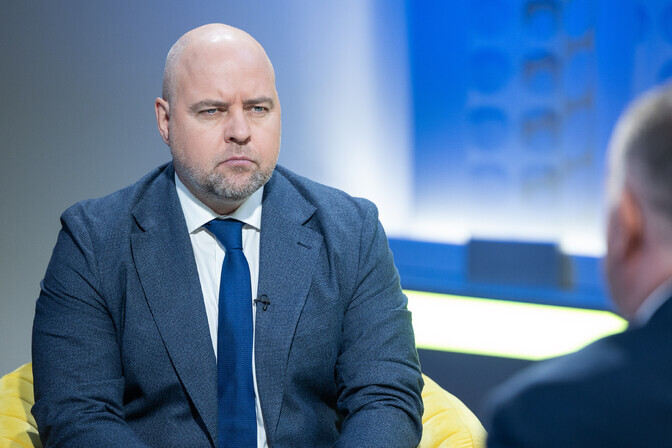
Marek Kohv is the head of the Security & Resilience Program at the International Center for Defense and Security (ICDS).
--
Editor: Marcus Turovski, Merilin Leetna
Source: "Ukraina stuudio"